 Anmelden
Russian missile strikes take out popular piracy websites
The Russo-Ukrainian war has now formally extended to the digital realm. Over the last week, there have been multiple reports that the Russian military has started targeting Ukraine's data centers. Although the Western world didn't feel much of an impact, the situation is now changing, as popular pirate websites that host torrent trackers 1337x (aka Leet X) and NordicQuality experienced periods of explosion-induced downtime.
1337x has been fighting standard-issue DDoS attacks for months on end, and now it's experienced a Direct Destruction of Server attack, as several machines in its network were brought offline by kinetic blasts. Likewise, Norse tracker NordicQuality was also temporarily down for the same reason. Both sites are online again, though don't be surprised if the seas are unsteady for the pirates.
The servers for this type of site are rarely directly visible to the internet, relying instead on content delivery networks like Cloudflare. As such, it's hard to tell which Ukrainian data center firm is hosting them.
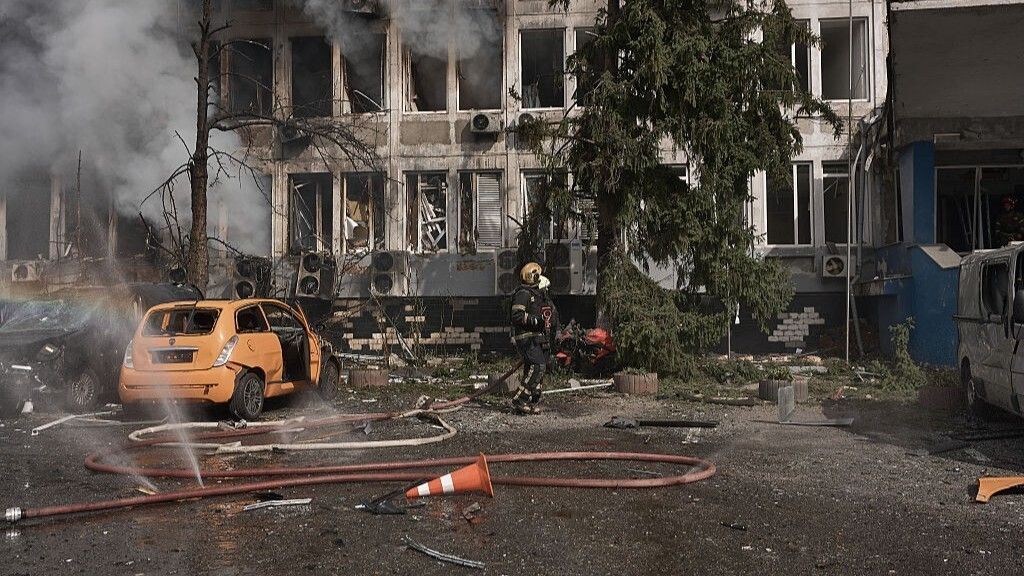
Virtual Systems reported strikes on the 23rd of September, which took down both its facilities, at least temporarily. MiroHost Ukraine got completely destroyed; strikes on CosmoNova took down TV channels; DataGroup and CityHost also got hit; telco KyivStar saw its Kyiv headquarters hit, while Russian authorities claim Vodafone Ukraine was also struck. Most of the strikes were clustered around Kyiv, prompting several of these companies to move operations to other regions or countries.
The 1337x tracker has been online for 19 years now, and has survived several shutdown and redirection attempts, including a blacklisting by Google and blacklisting across multiple countries' ISPs. Despite that, it remains the second most-visited pirating tracker, at around 40-50 million monthly visits, clearly displaying how neither laws nor guided missiles seem to be effective in curbing piracy.
Ukraine, Russia, and other countries in Eastern Europe have proven a popular choice for hosting torrent- and piracy-related websites, thanks to the region's general lax approach to copyright law, legal liability (or lack thereof), and difficulty in identifying website operators. Having said that, Ukraine is shifting its legal stance on the matter to more closely align with the European Union, likely as part of its bid for membership in the bloc.