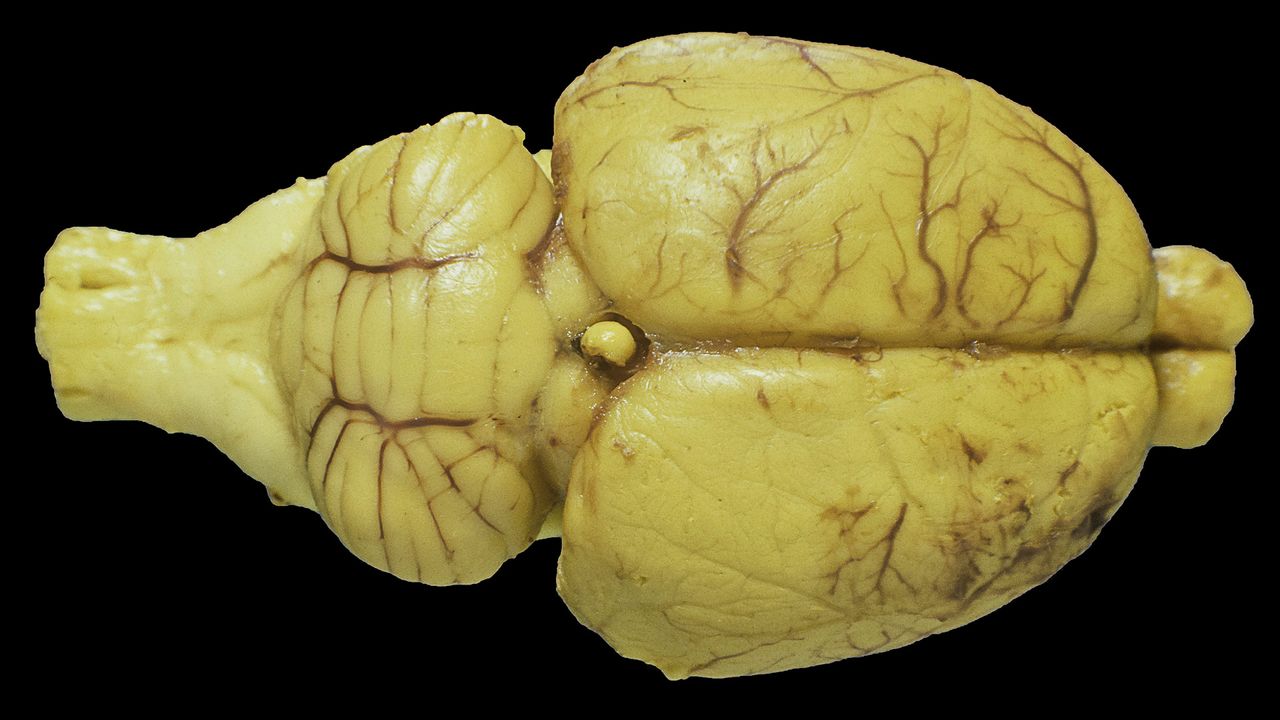
Japanese researchers trained cultured rat cortical neurons to autonomously generate complex temporal signals using a real-time machine learning framework.
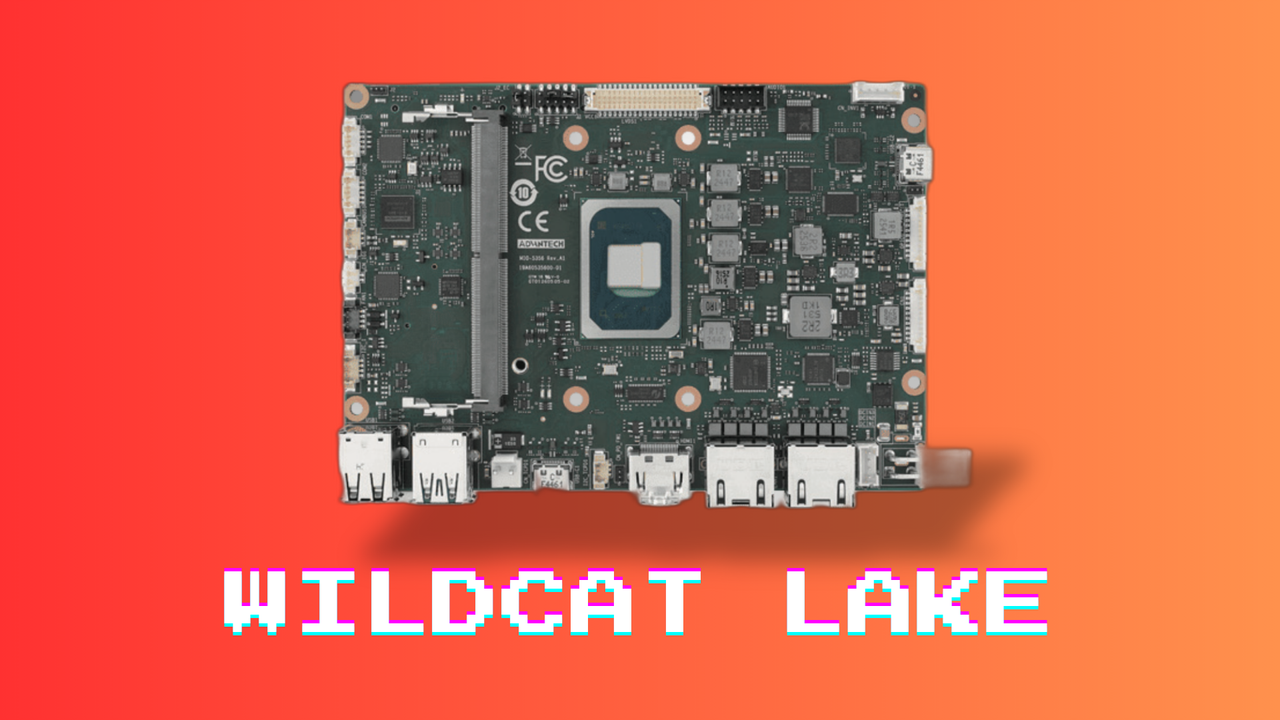
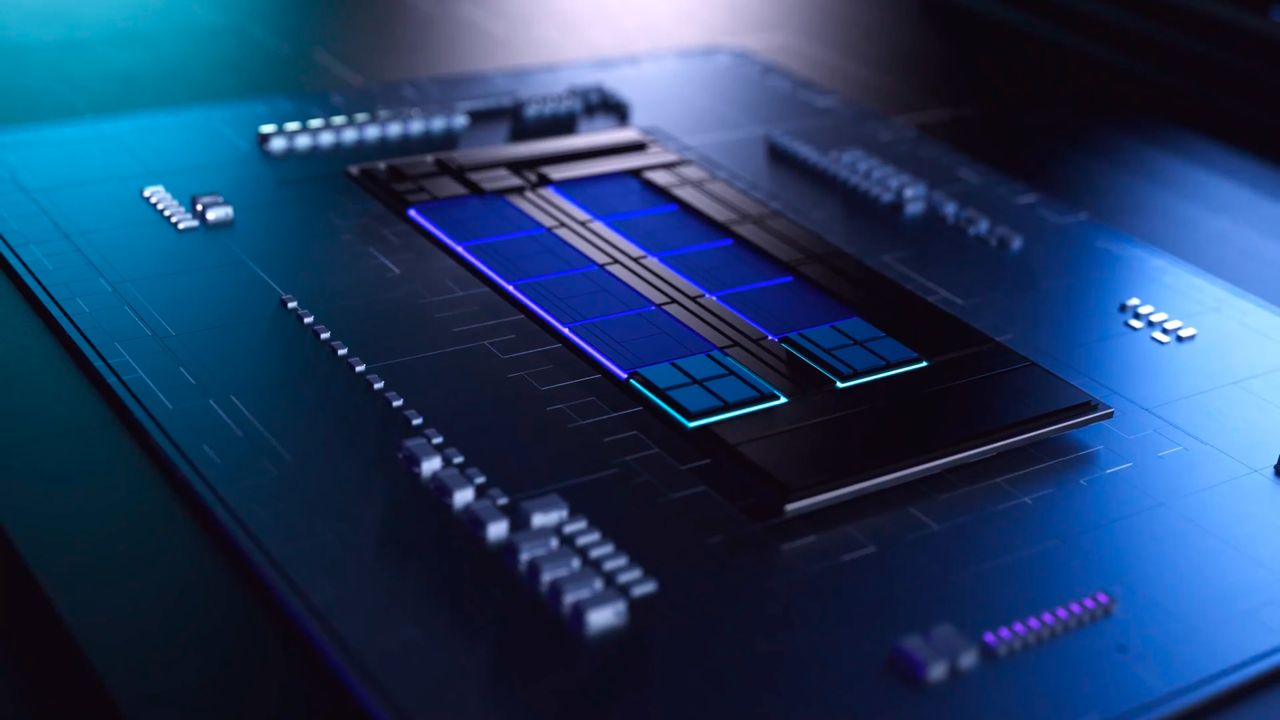
Wildcat Lake is Intel's upcoming family of low-budget and low-power CPUs intended for OEMs. We've already seen many leaks surrounding this family, but now a new product from Advantech has listed three SKUs in a datasheet for its MIO-5356 SBC. This confirms the specs from prior leaks and signals that a launch is due soon.
The latest Steam client update included an FPS data gathering component in Beta, allowing the platform to monitor your framerates and compare it with your hardware.
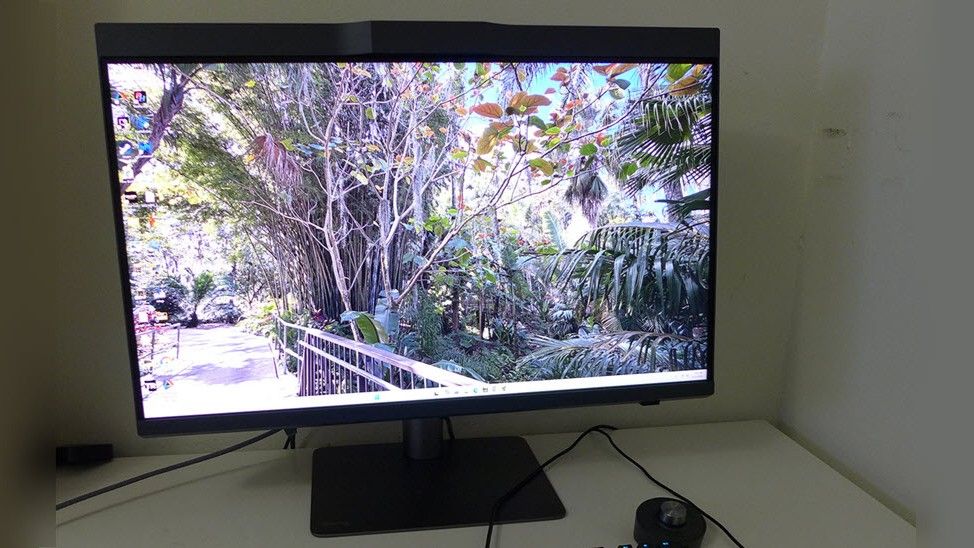
BenQ’s DesignVue PD2770U is a flexible and capable professional monitor with a 27-inch IPS panel, 4K resolution, wide-gamut color, HDR10, a built-in calibrator, software control, and premium build quality.
A 42-core SKU from the upcoming Nova Lake-S CPU family has reportedly been upgraded to 44 cores by swapping the 6P+12E tile with an 8P+12E tile, allowing the chip to achieve symmetry across its dual-tile config. Those leftover 6P+12E tiles could now become locked variants with 144 MB of bLLC as a new 22-core SKU (6P+12E+4LPE).
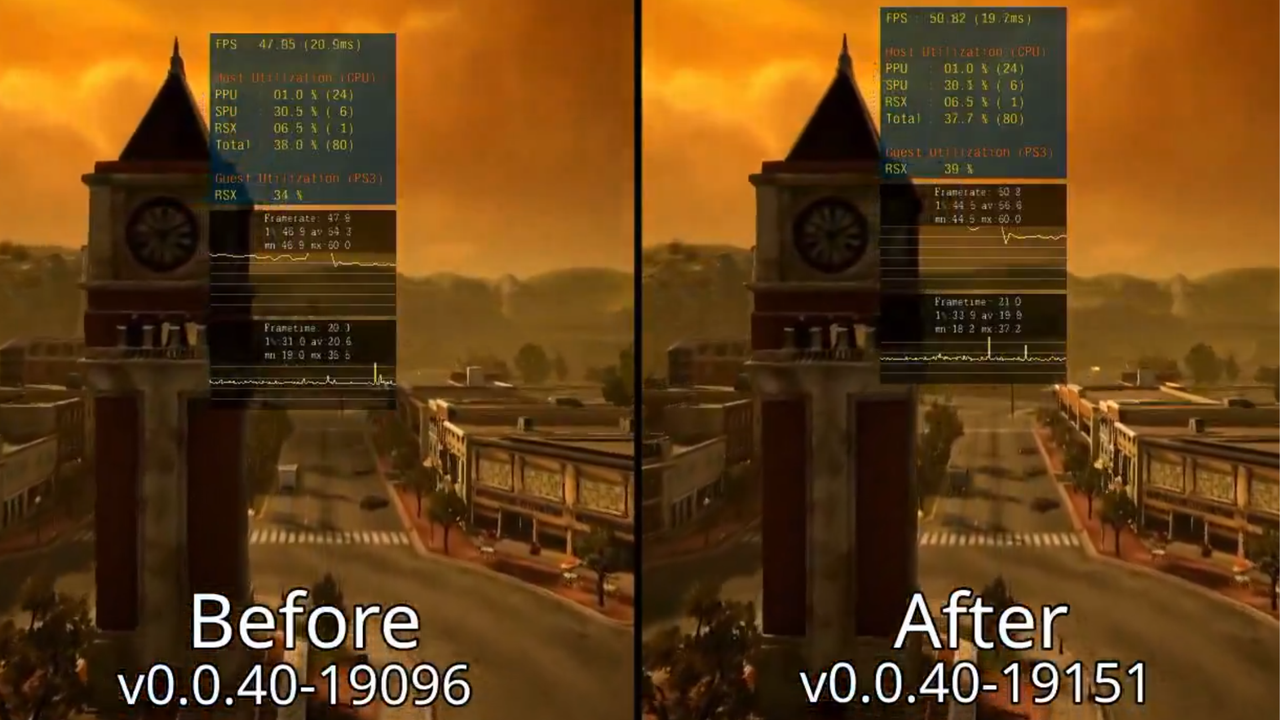
Developers behind the open-source PlayStation 3 emulator RPCS3 claim that they’ve achieved a breakthrough in emulating the PS3's Cell Broadband Engine processor.
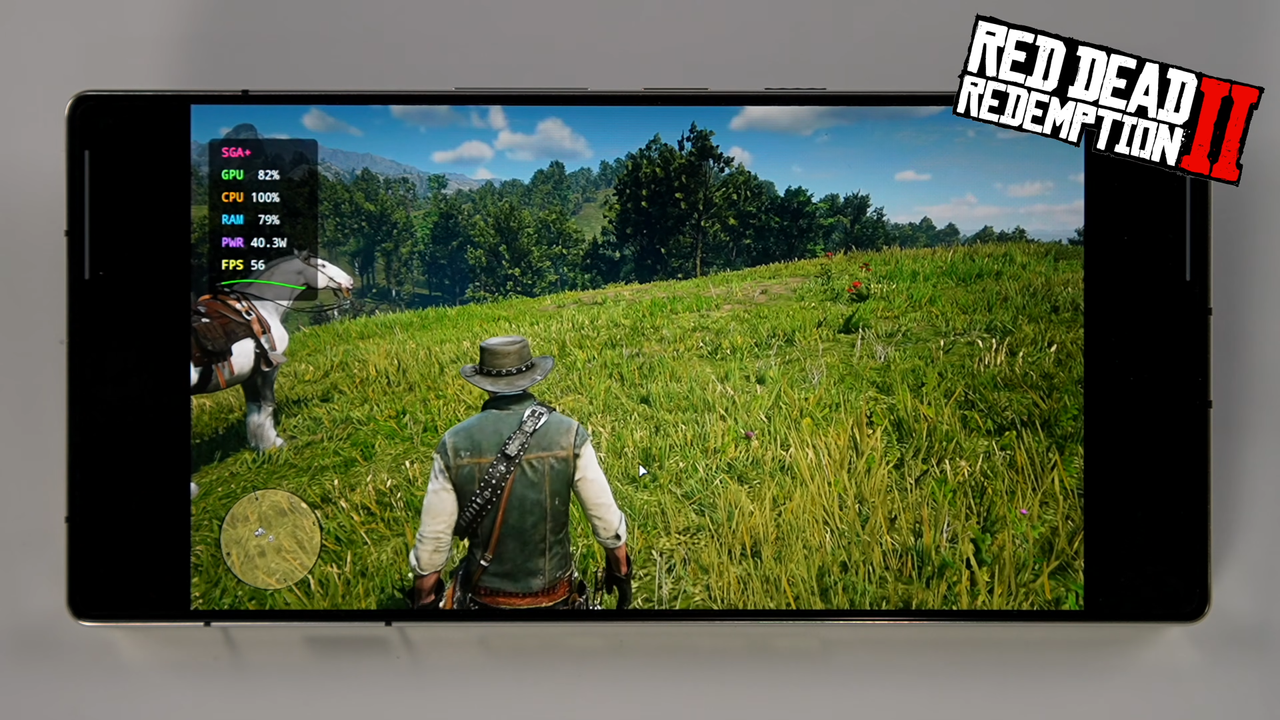
The Golden Saga Edition of the Redmagic 11 Pro is equipped with 24 GB of RAM and an even more robust liquid cooling system that can pull upwards of 45W while emulating Red Dead 2, delivering 50+ FPS. The phone costs around $1,700, but for that money, you're getting GTA V running at up to 100 FPS on a device that just happens to make calls, too.
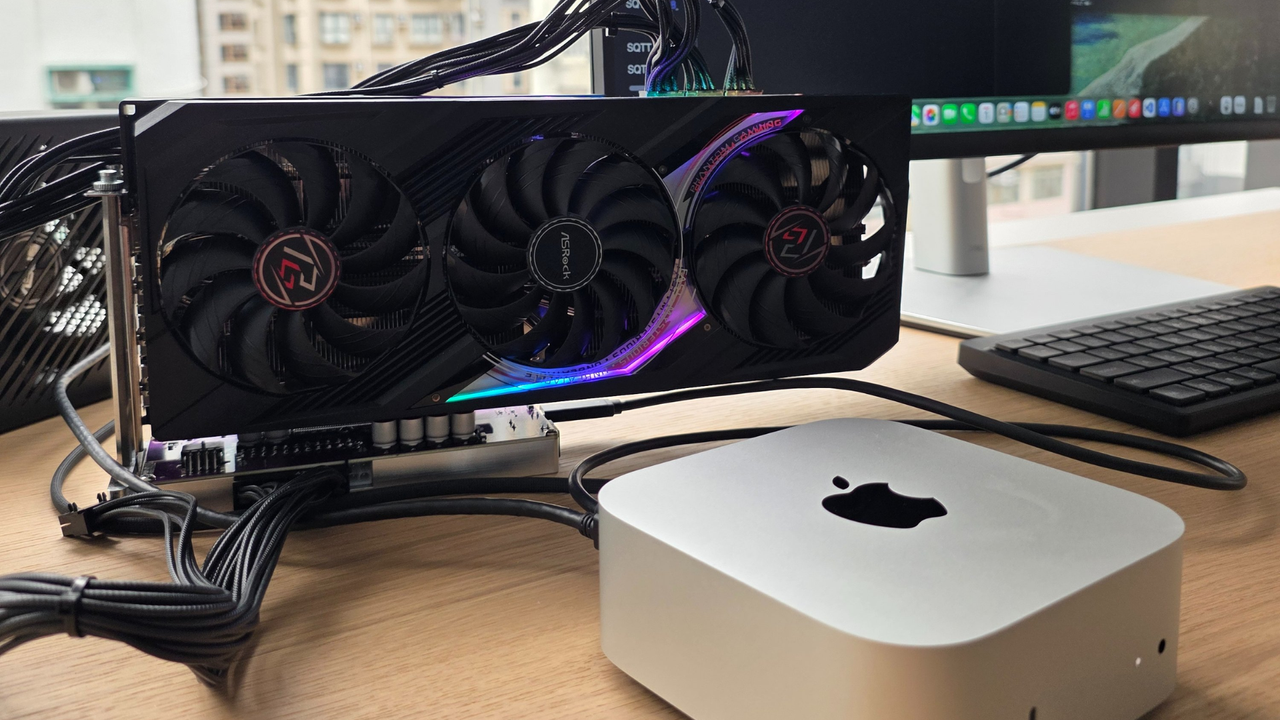
The company behind the tiny box AI accelerator says that its macOS driver for Nvidia eGPUs has just been signed by Apple, making it a legitimate software for Macs and no longer needs workarounds to work with the device.
LinkedIn is understood to inject a JavaScript fingerprinting script on every page load that probes visitors' browsers for 6,236 installed Chrome extensions and collects detailed device telemetry.
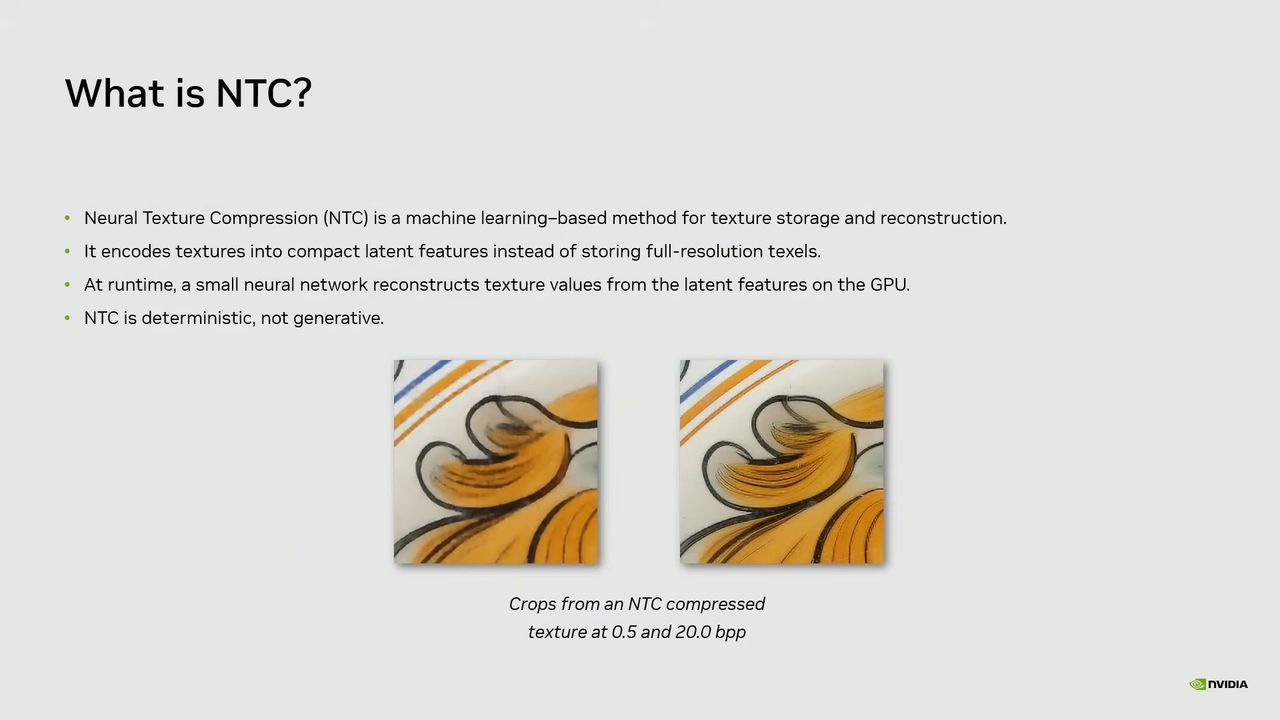
Nvidia has just demoed its Neural Texture Compression technique again at a GTC talk, where it showed VRAM usage dropping from 6.5 GB to just 970 MB in a scene. NTC uses a neural network to decompress textures instead of standard block-based compression, reducing texture size and VRAM usage while also improving final image quality.

 Anmelden