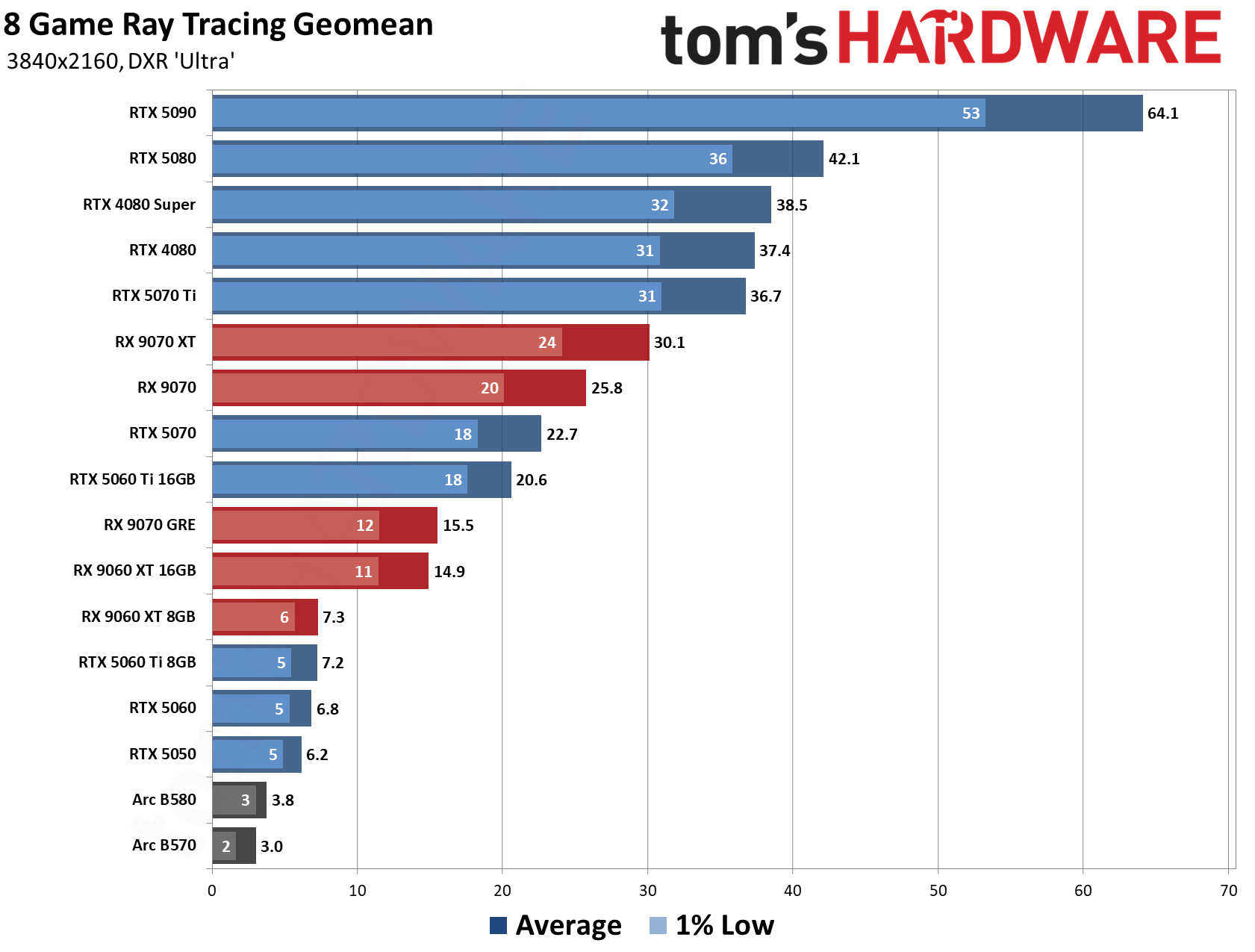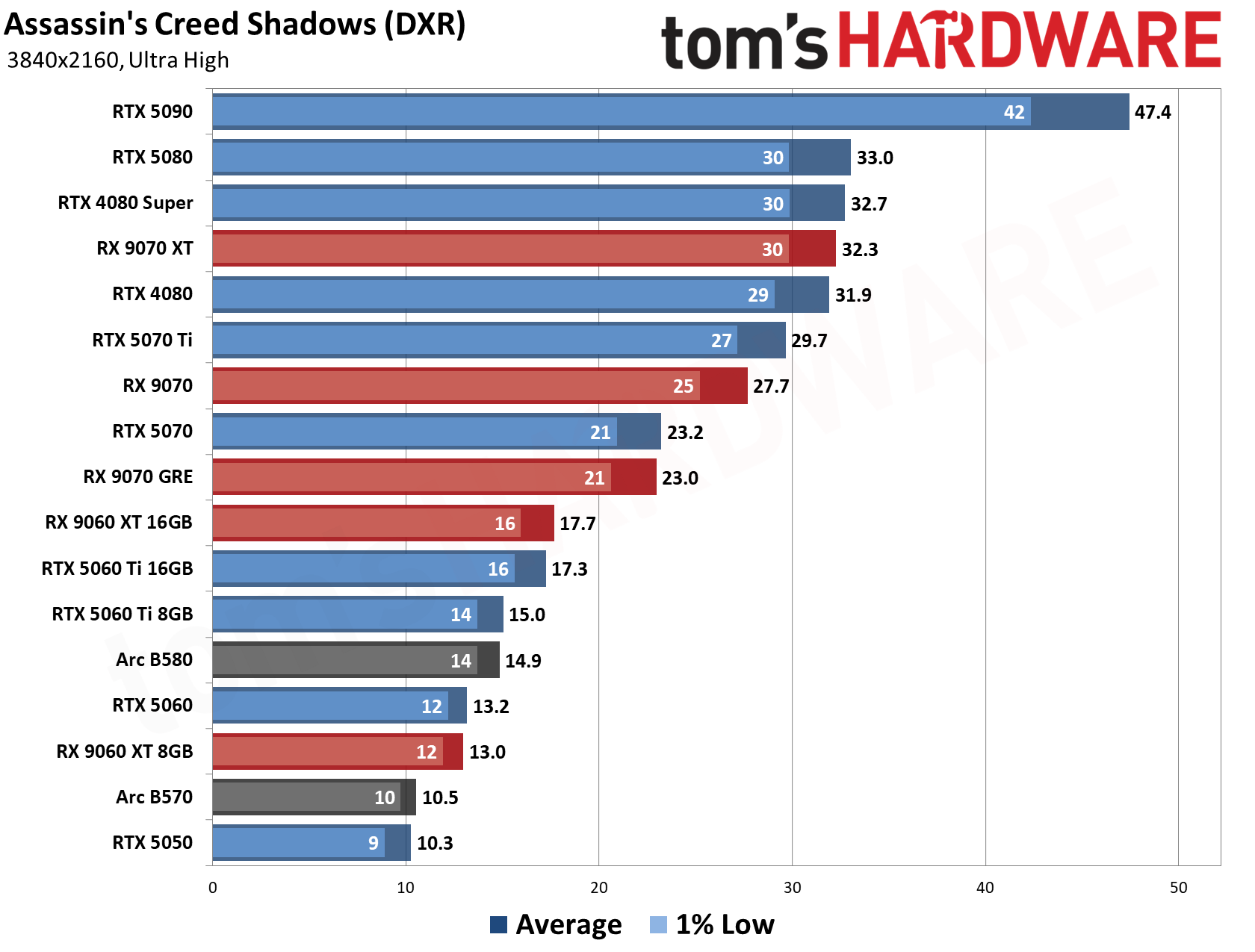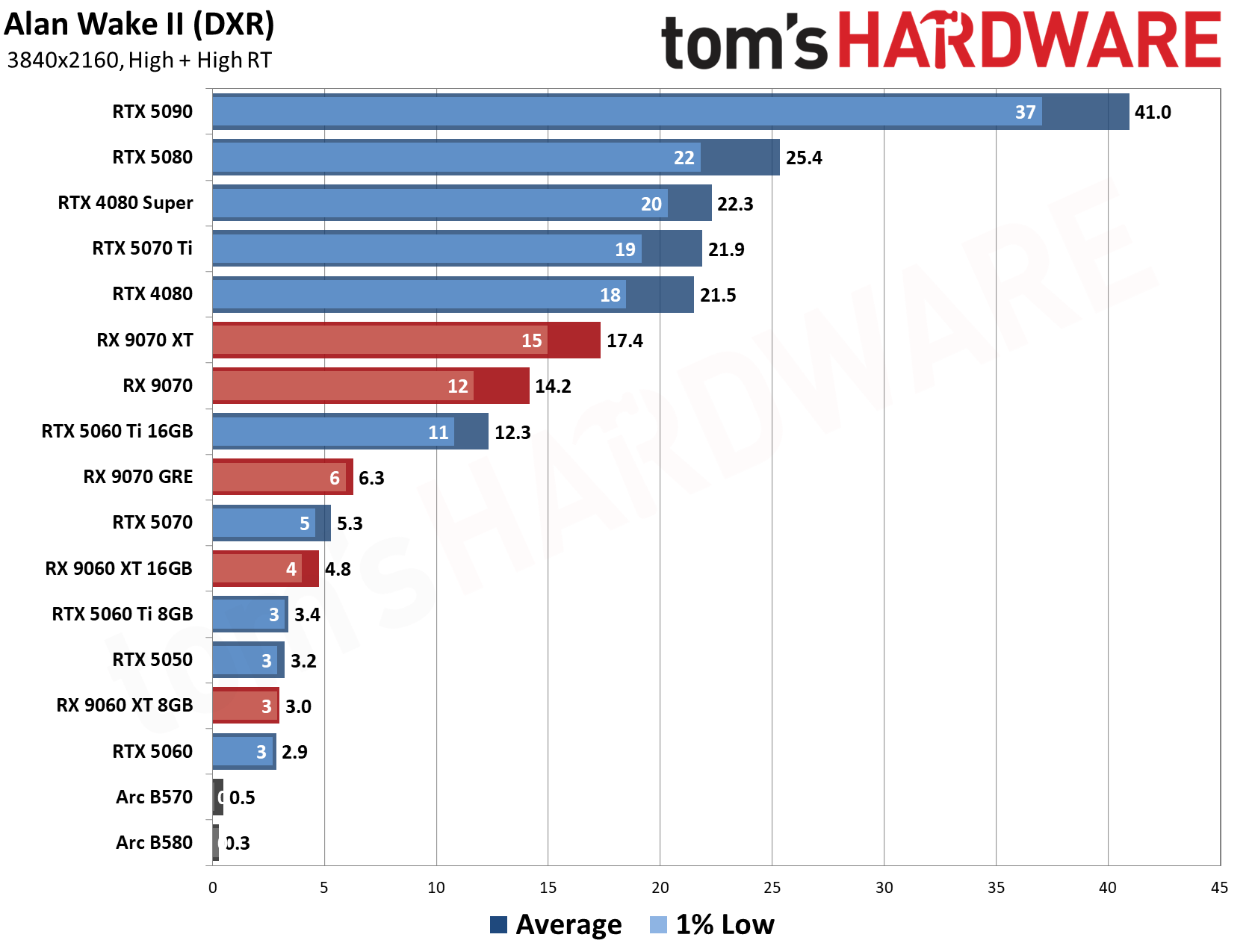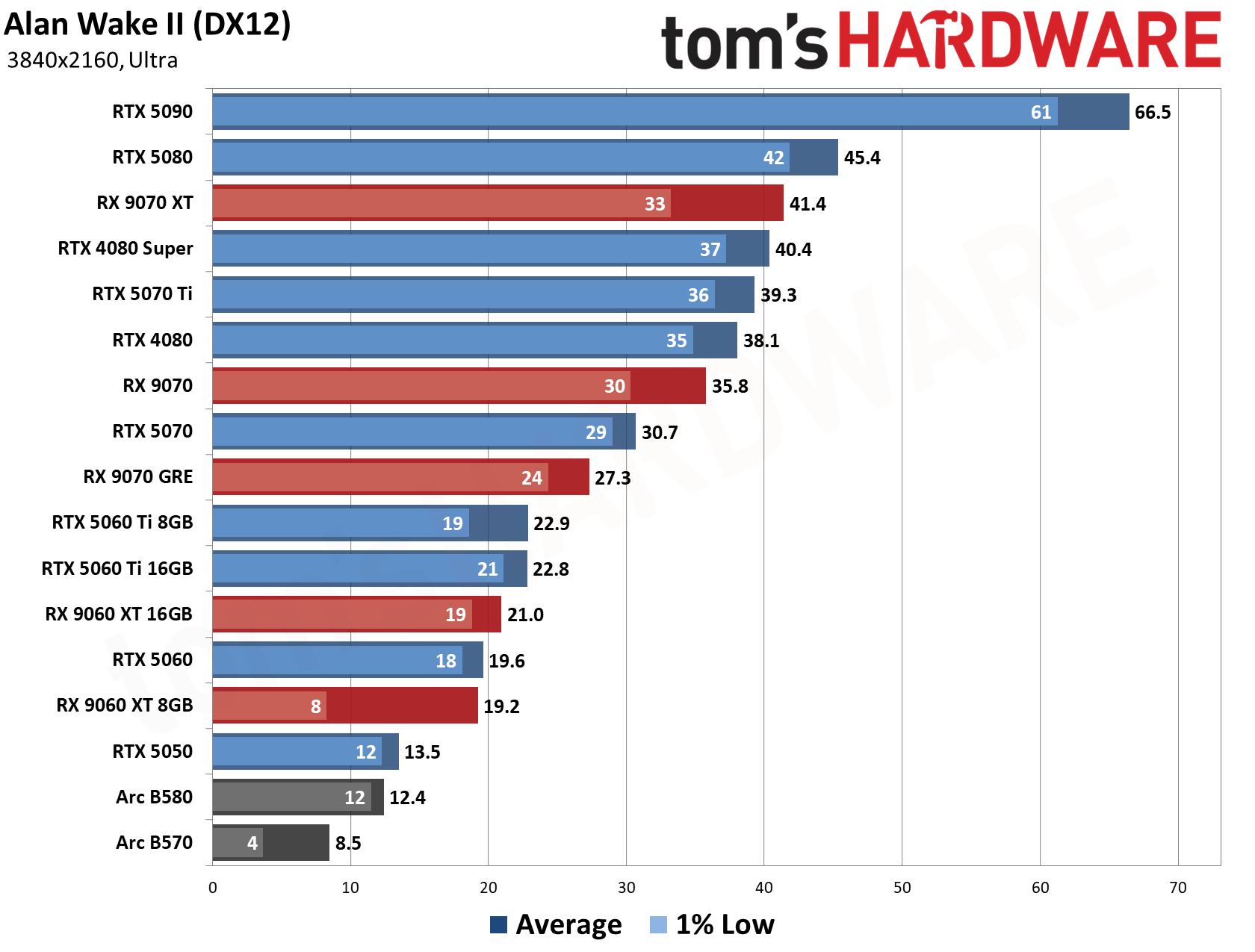
❌

Lese-Ansicht

Former EVGA employee recounts company’s degrading relationship with Nvidia before 2022 blow-up

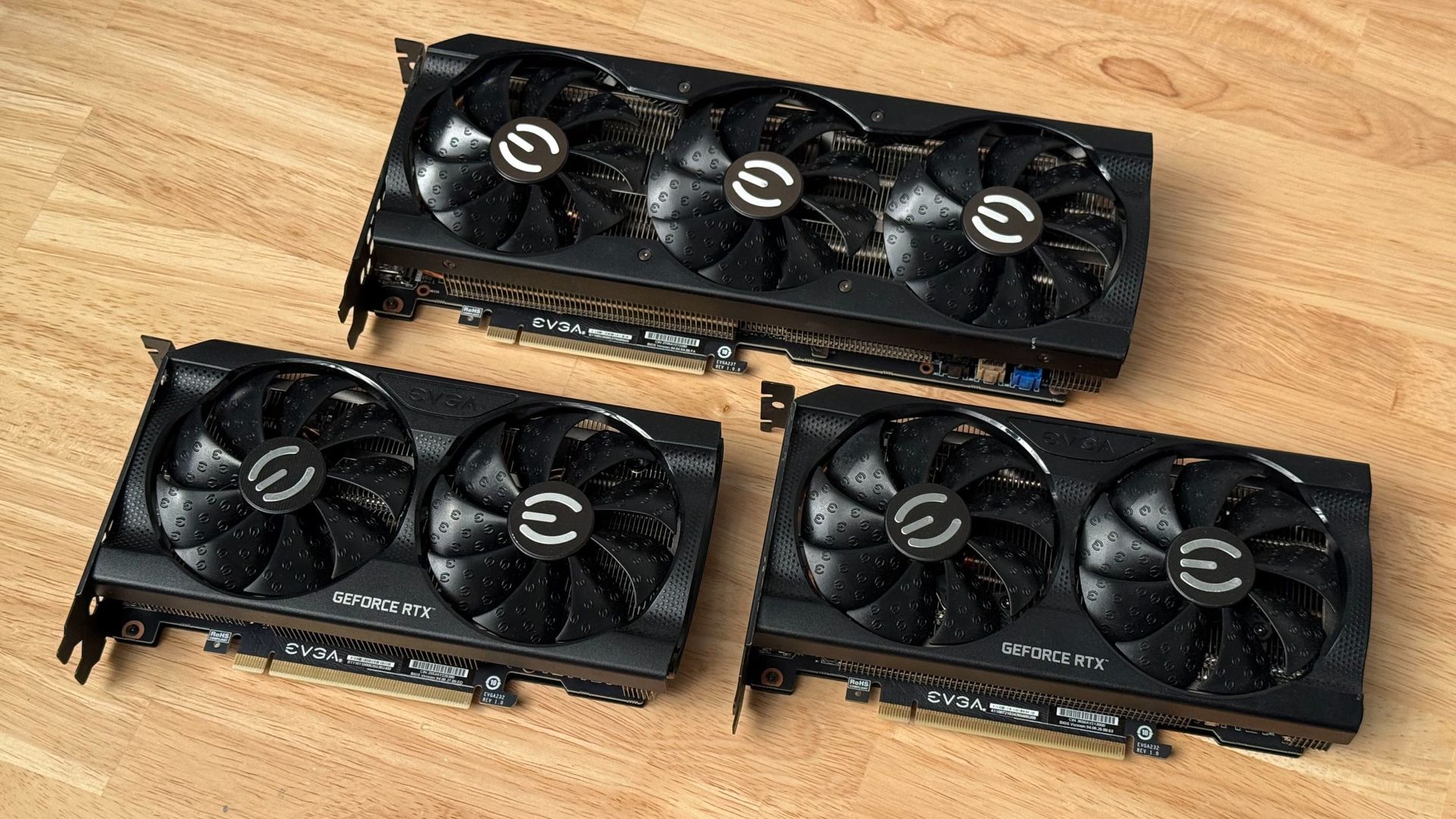
Former EVGA product manager Brendon Ray Hedrick has posted a personal account of his time at the company in which he details the challenges that EVGA encountered near the end of its partnership with Nvidia. When he left the company in 2019, Hedrick predicted that the business relationship between the two companies would eventually implode, which proved to be largely accurate when EVGA exited the GPU market in 2022.

As he tells it, Hedrick's concerns about the relationship between the two companies began when it first released the Founders Edition GPUs in 2016. While EVGA had sold Nvidia reference designs with its own brand on the box before, its primary (and only) GPU supplier was now competing directly against it by selling graphics cards directly to customers, bypassing board partners entirely.

However, the biggest challenge that EVGA faced arose, according to Hedrick, was when Nvidia began requiring its partners to sell a model that would hit the announced MSRP, even if it sold at a loss. Companies that did not comply would get reduced chip allocations, so partners needed to produce a loss leader product to ensure that they would get all of the chips they would need to satisfy demand.

“The models on which we did not lose money had better circuit boards and cooling of our own, but they also carried a substantial premium,” Hedrick writes. “To a customer comparing them with the advertised starting price, it could look as though EVGA was charging an enormous amount just for those additions.”

In Hedrick's view, as Nvidia Founders Edition cards got better with each generation, more expensive AIB offerings started to make less sense for most buyers. This led to loss-leading models constantly being sold out, while customers who chose more premium models started to hold on to their GPUs for an extra generation or more. “For a manufacturer like EVGA, those decisions carried very different consequences. We still had cards to sell and a business to sustain; enough customers sitting out a generation could be financially devastating,” Hedrick wrote.

In reference to Nvidia's introduction of real-time ray tracing tech on its RTX 20-series cards in 2018, Hedrick recounts that “Nvidia could afford a long technological bet. My concern was whether a company as lean as EVGA could comfortably absorb the difficult part of it,” in reference to convincing consumers that the upgrade to the new tech was worth it at a time when only a tiny handful of games featured RT.

When Hedrick left the company, he says he believed that EVGA and Nvidia had about four or five years left before the situation led to a confrontation. This prediction came true a year earlier than Hedrick projected. In 2022, EVGA announced that it would no longer make partner cards with the advent of the RTX 40-series and that it would exit the GPU market once its stock of RTX 30-series GPUs had run out.

At that time, it was reported that Nvidia GPUs made up 78% of EVGA’s revenue while contributing only a tiny percentage of the company’s overall profit. Other reports also said that while lower-tier products like the RTX 3060 remained profitable, EVGA lost hundreds of dollars for every RTX 3080 and higher GPU model that it sold.

While it’s easy to blame Nvidia's policies for EVGA’s exit from the GPU market, other analyses partially blamed the company for practices like contracting manufacturing to third parties and providing overly generous customer service for its failures. Its focus on North America and Europe also led to the company shipping fewer units compared to its competitors, meaning its fixed costs were further cutting into its already narrow margins. Although EVGA’s customer-centric approach made it one of the most beloved brands in the GPU space, its strategies ultimately left it vulnerable, and we all know how the story ended.
  •  

Zotac denies warranty support to RTX 3060 owner in India after just one year despite offering three years of coverage

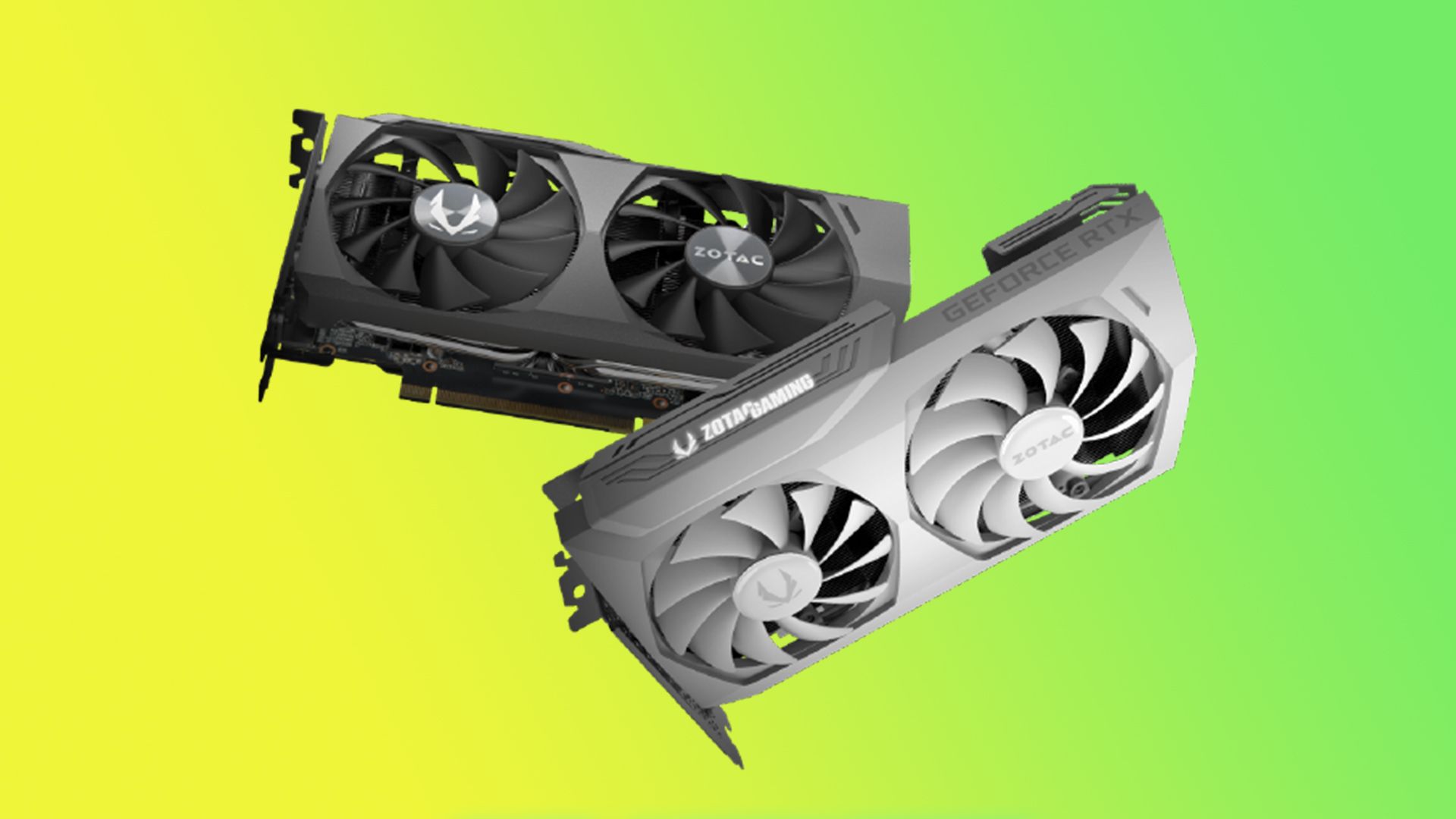
A Zotac RTX 3060 owner in India has been denied warranty support, even though their card would still seem to be covered. According to Reddit user u/AbhishekG9, they purchased a Zotac GeForce RTX 3060 Twin Edge from KVR Gaming System in Nehru Place, Delhi, on June 27, 2025. Zotac offers three years of standard warranty in India for RTX 30-series and later cards. That can be extended by two years in exchange for registering the product. The customer received an invoice and registered the graphics card with Zotac, for which an automatically generated registration confirmation was received on July 2, 2025.
However, when the customer reached out to Zotac for warranty support for an unspecified reason, the company reportedly told them that the graphics card was already out of warranty. According to an email from Zotac, the card's serial number showed an import date of April 2023. The company explained that warranty coverage can be determined using the original purchase date or the distributor's import date, and that product registration by itself does not establish warranty coverage.

At least in this instance, Zotac asserts that if one of its products is sold more than two years after it was imported, the company cannot provide extended warranty support. Since the graphics card was purchased by the customer in June 2025, the company advised them to approach the original seller for further assistance.

ZOTAC India warranty experience – Rtx 3060 twin edge bought in June 2025, but warranty denied based on import date
 from r/IndianGaming

The customer argues that the distributor's original import date is not something an ordinary buyer would necessarily know when making a purchase. They also pointed out that they registered the product within days of purchase and received confirmation from Zotac.

Other users on the Reddit thread suggest that Zotac's policy isn't necessarily unreasonable. By tying the start of the warranty period to the date of import, plus an additional buffer period to allow the product to be sold, the policy would seem to prevent retailers from arbitrarily changing the date of sale in their records to make a product that would otherwise be out of warranty appear to be covered. If this particular card sat in retail inventory for an unusually long time (two years, in this instance), it's possible that initial buffer period was exhausted and that the clock began running down on the actual legal warranty period, regardless of the buyer's date of purchase.
But this could all be explained more clearly. If we take a look at the warranty terms and conditions on Zotac India’s website, it indeed mentions that the duration of warranty starts from the product's original date of purchase or the distributor import/invoice date. However, the policy does not explicitly specify a period in which the purchase date is used before the import date can become relevant, and that opaque reasoning appears to be the issue here.

The RTX 3060 owner told Tom’s Hardware that they plan to visit the shop where the graphics card was purchased and ask it to arrange a replacement. They also plan to record the visit as proof and, if the issue remains unresolved, file a complaint with India’s National Consumer Helpline.

This is not the first time Zotac has faced criticism over hair-splitting a warranty claim. Back in December 2025, an RTX 5070 Ti owner’s RMA was denied after Zotac said it had found an “irreversible” crack in the PCB near the PCIe connector. The company attributed the damage to external mechanical stress and suggested that the customer file a claim with the shipping carrier. Zotac later offered to dispose of the graphics card at its facility if the customer did not want it returned.

  •  

Noctua upgrades Thermal Grizzly's 12V-2x6 power monitor

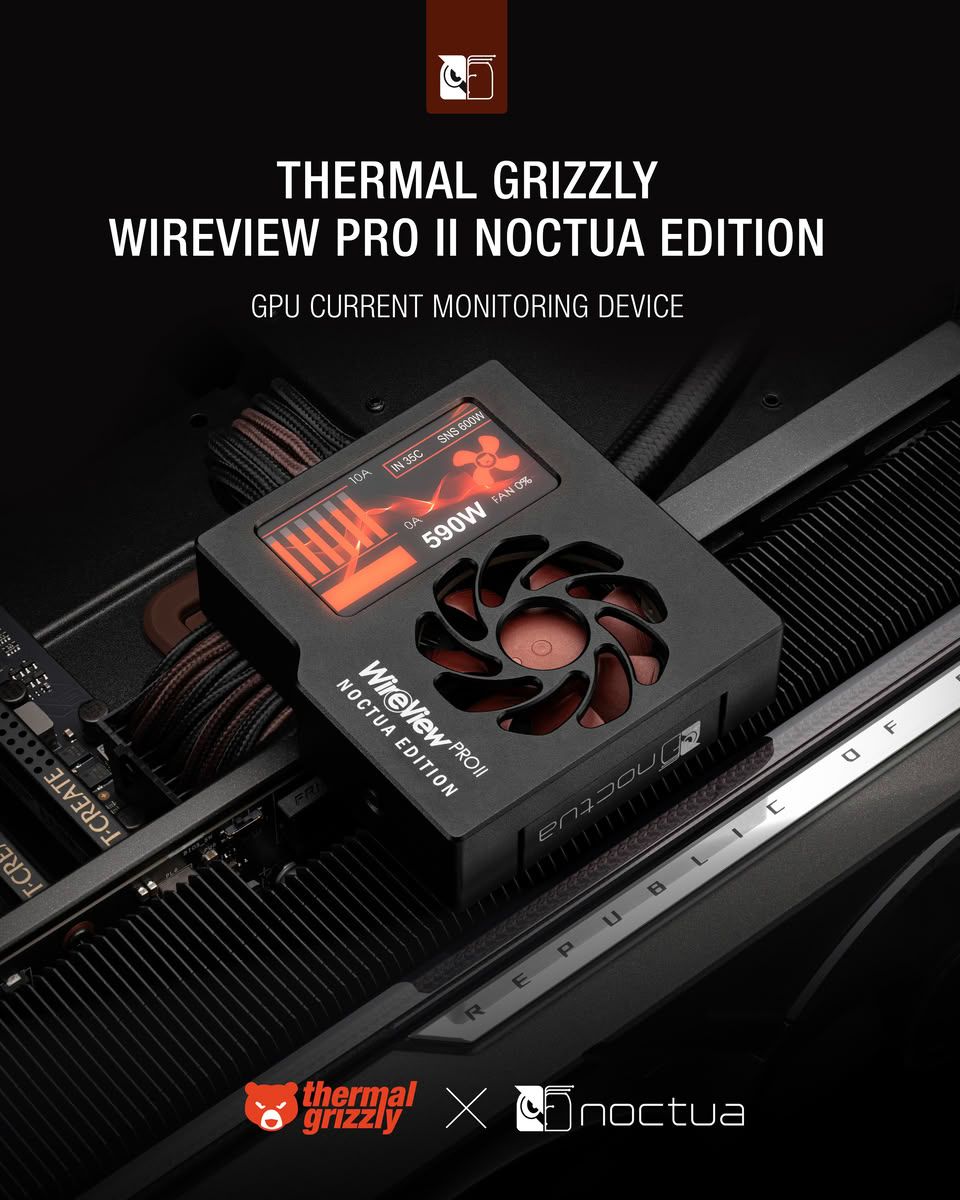
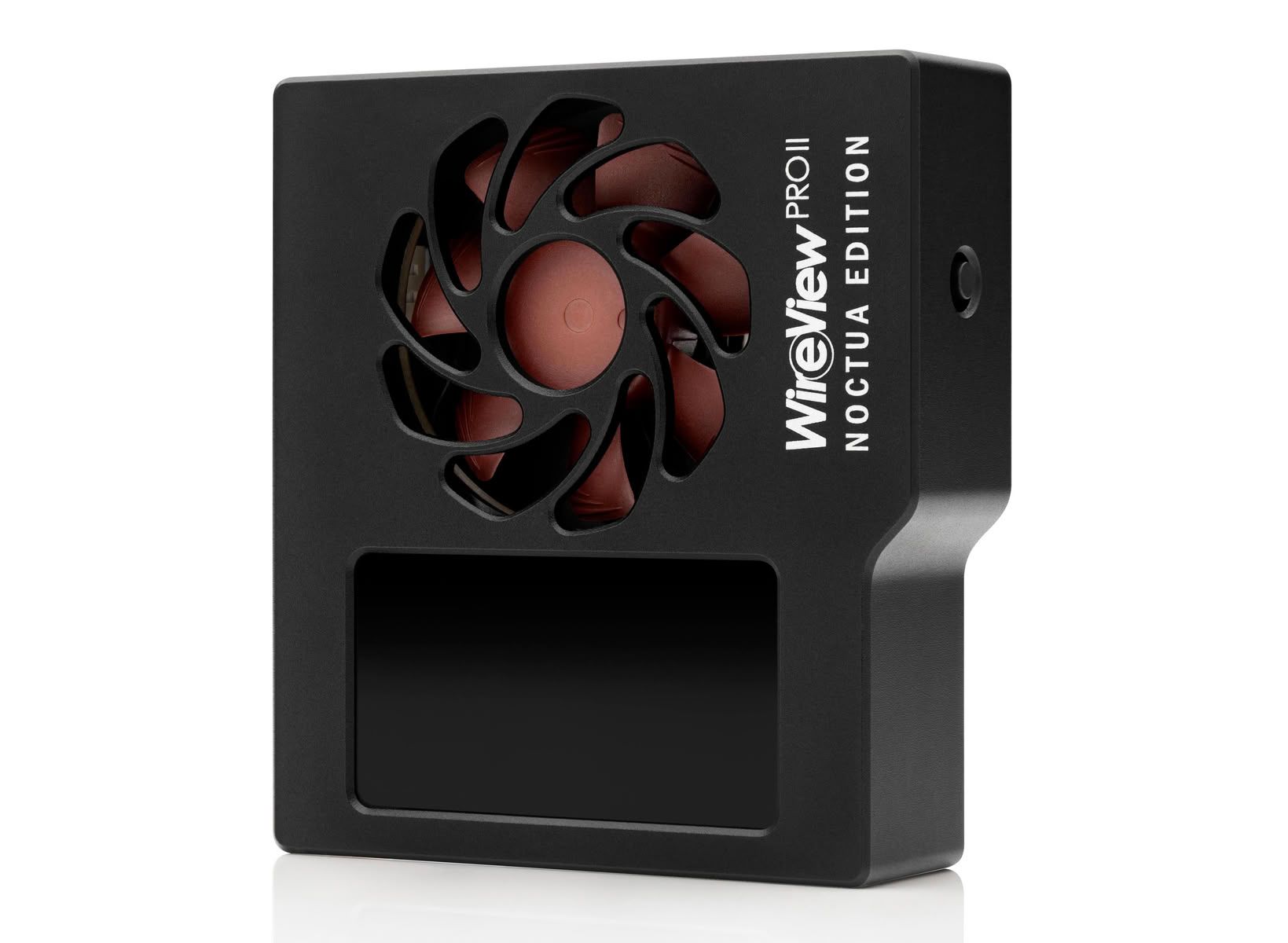
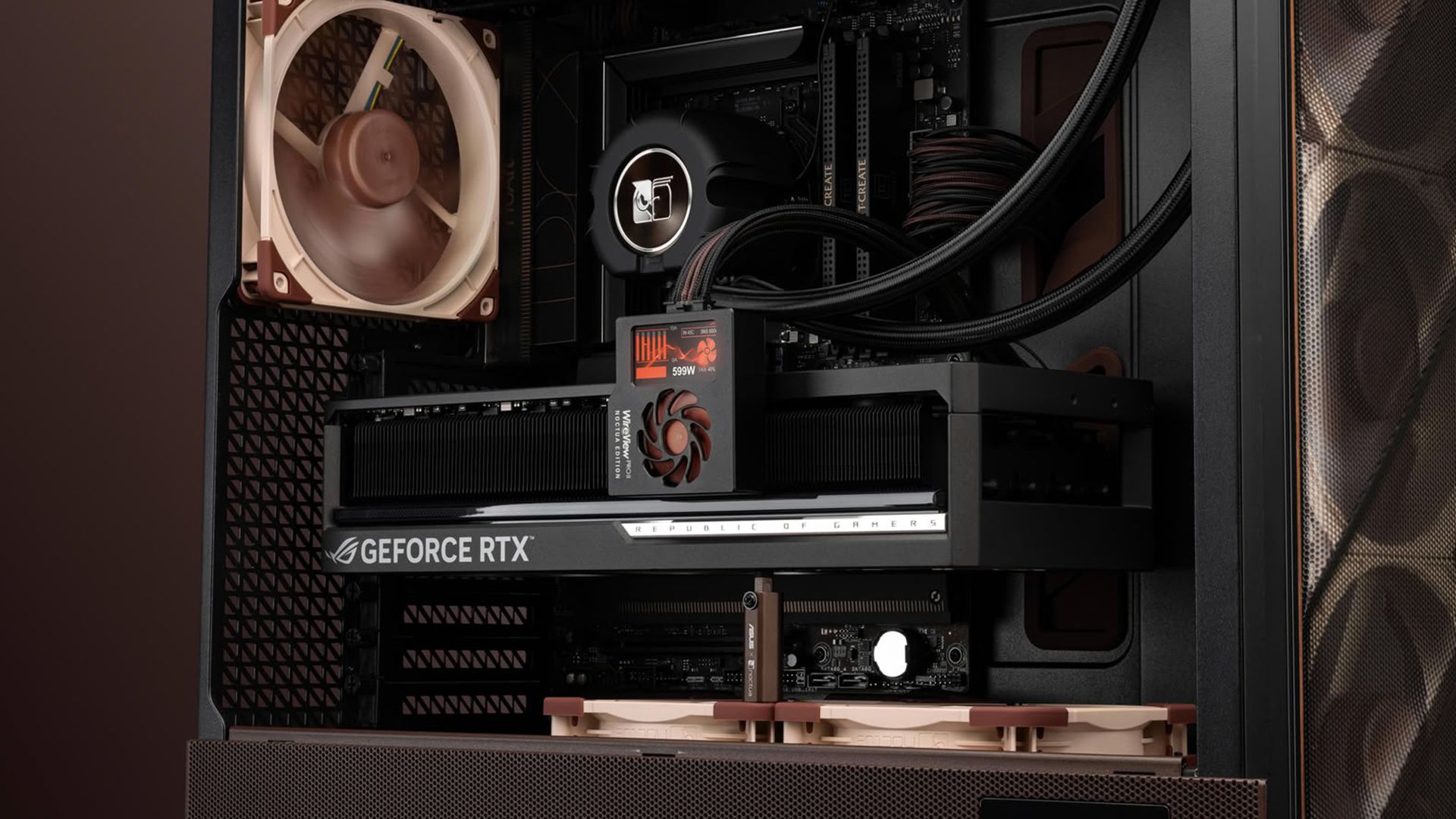
Thermal Grizzly and Noctua have teamed up to release a new version of the WireView Pro II GPU monitoring device. By combining Thermal Grizzly’s power monitoring hardware with Noctua’s expertise in low-noise cooling, the WireView Pro II Noctua Edition aims to offer quieter operation by reducing the noise generated by the device’s cooling fan.

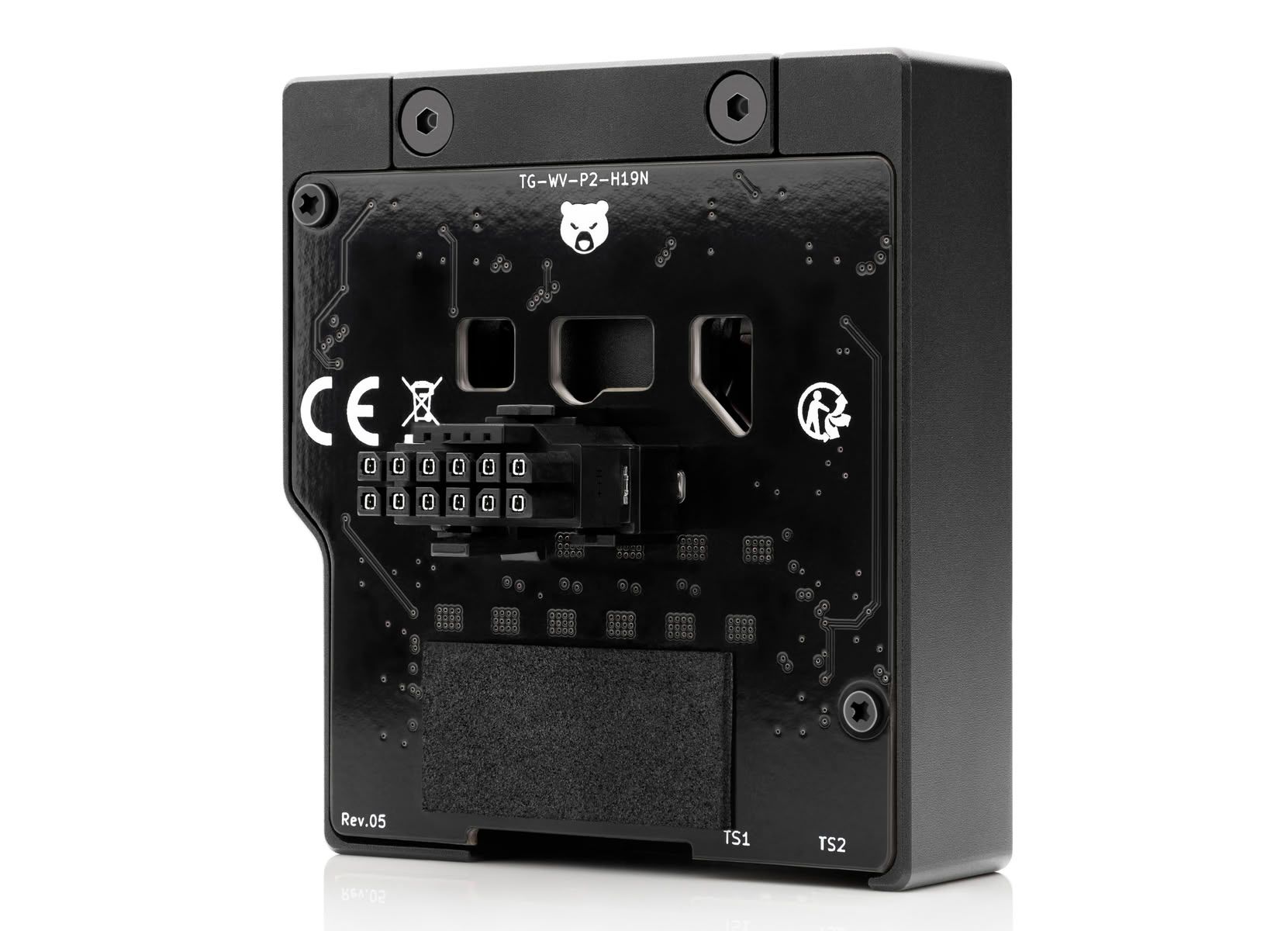
According to Roman Hartung, CEO of Thermal Grizzly, the GPU monitoring device has become a popular choice and has helped many users detect potentially dangerous connector issues with the infamous 12V-2x6 connector before they could cause damage. The WireView Pro II measures current independently on each 12V conductor rather than simply monitoring total power consumption. This allows it to identify unusual current distribution and potential contact issues that could contribute to connector damage. The device can also provide visual and audible warnings when configured limits are exceeded, with an optional automatic shutdown function.

Press images of the Thermal Grizzly WireView Pro II Noctua Edition GPU monitoring device
Thermal Grizzly
Press images of the Thermal Grizzly WireView Pro II Noctua Edition GPU monitoring device
Thermal Grizzly
Press images of the Thermal Grizzly WireView Pro II Noctua Edition GPU monitoring device
Thermal Grizzly

"One of the most common points of feedback, however, was that the fan could still be noticeable in very quiet systems, so working with Noctua on a significantly quieter cooling solution was the logical next step - and, for us, really completes the product," added Hartung. For the Noctua Edition, the standard cooling solution has been replaced with a customized design featuring a Noctua NF-A4x10 fan, an optimized fan grille, and an enlarged CNC-machined aluminum housing. The fan uses semi-passive operation, remaining off for longer periods and only spinning when additional cooling is required.

In a worst-case scenario with the case fans turned off and temperatures above 40°C, it could handle up to a 300W GPU load without turning its fan on. When it does need active cooling, its fan runs under 2,000 RPM compared to 5,000 RPM on the standard mode, which cuts down noise from 39.4dB(A) to just 21.5dB(A) at a 10cm distance. This should make it essentially inaudible alongside the other fans in a very quiet PC.

The WireView Pro II Noctua Edition is available in Normal and Reversed variants to accommodate different 12V-2x6 connector and cable-routing configurations, along with an extended two-year warranty covering the GPU connector. While the press note suggests a retail price of $189.90, it is currently selling at $222.18 on Thermal Grizzly’s official online store.

  •  

Modders bring Nvidia’s DLSS 5 Neural Rendering to AMD Radeon GPUs

Nvidia officially rolled out DLSS 5 earlier this month, bringing its new Neural Rendering technology to supported games for RTX 50-series GPU owners. While early testing has shown improvements in image quality and rendering, the technology is very resource-intensive, resulting in significant drops in frame rate. That, however, has not stopped modders from experimenting with DLSS 5 and attempting to bring the technology to AMD Radeon GPUs.

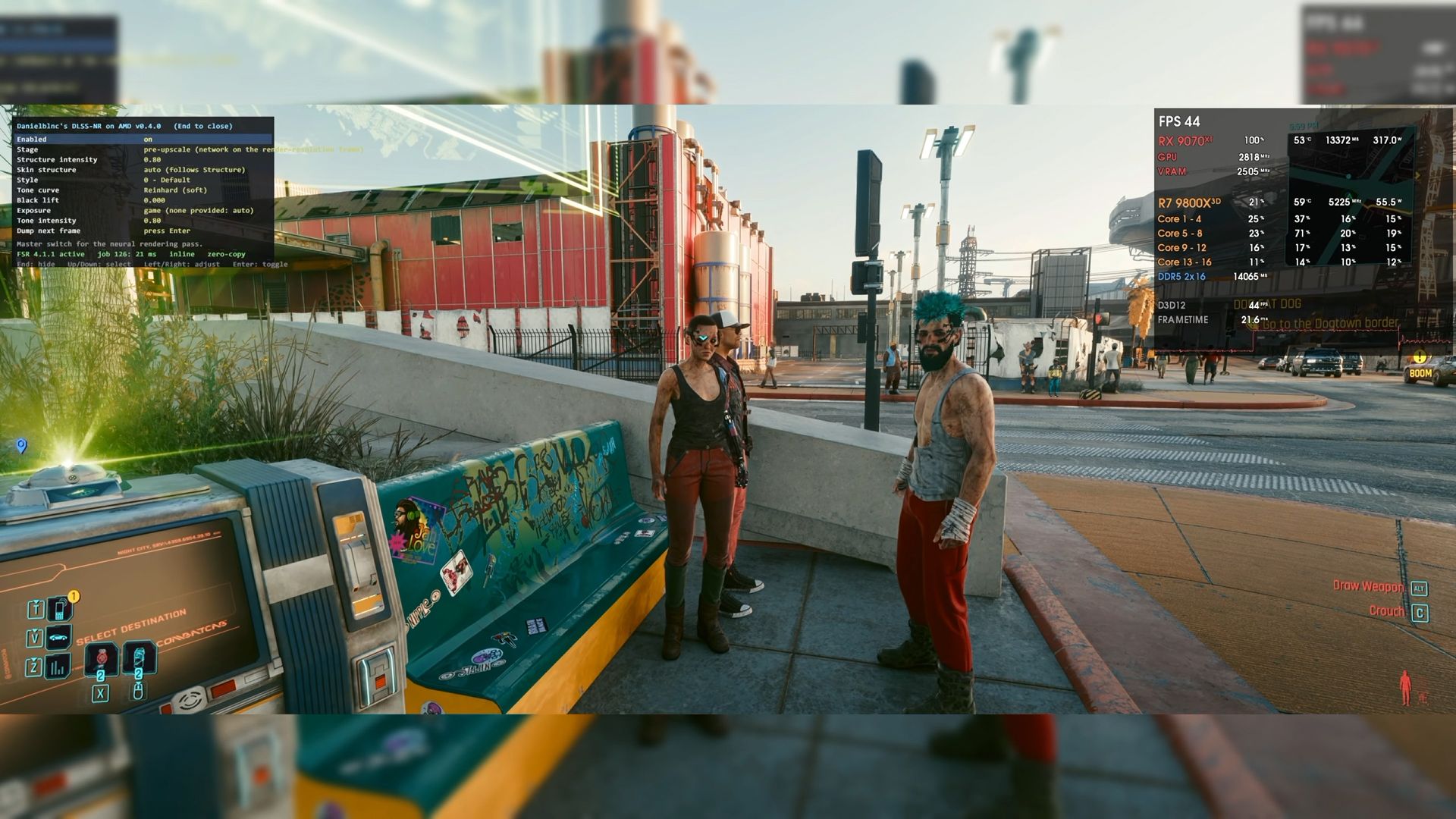
A GitHub project called DLSS-NR-on-AMD, designed to run DLSS 5 Neural Rendering on AMD's Radeon RX 9000 and RX 7000 series GPUs, is already seeing a rapid improvement in performance. It uses a ground-up, full reimplementation of the neural network runtime for AMD GPU architectures. As per the developer, the project currently works with DirectX 12 games that use FSR, with Cyberpunk 2077 and GTA V Enhanced among the tested titles.

Testing done by YouTube channel Ancient Gameplays shows Cyberpunk 2077 running at over 80 FPS on a Radeon RX 9070 XT without DLSS 5 Neural Rendering. Enabling the unofficial implementation, however, caused performance to drop around 11-12 FPS. Not only is that unplayable, but it also highlights just how much optimization was still needed to make the technology practical on AMD hardware.

Development has been rather quick, as an Alpha 0.3.3 version was released with a claimed 23% performance improvement, followed shortly by Alpha 0.4.0, which reportedly added another 42% improvement over version 0.3.3. The changes essentially amount to roughly a 74% performance improvement in just 24 hours. The project has also become easier to install thanks to the AMDNR launcher that can automate much of the setup process, meaning that users no longer need to manually copy and replace DLL files for each game. The launcher also supports different runtimes and provides additional options through the OptiScaler interface.

Ancient Gameplays tested the latest Alpha 0.4.0 build in Cyberpunk 2077 at 3440 x 1440 resolution and found the Radeon GPU reaching around 50 FPS. That is a substantial improvement over the roughly 30 FPS achieved with the earlier build, although it remains well below the performance of the game without Neural Rendering enabled.

There is still a long way to go before DLSS 5 on AMD hardware can be considered a practical alternative to native implementation. The project remains in alpha, which means performance and compatibility can vary considerably depending on the game and GPU. That said, the developer has informed Ancient Gameplays that they are working on another major update, which should bring a substantial performance boost on Radeon GPUs.

  •  

Diebe klauen "Nvidia-Anhänger", finden statt KI-Chips aber nur Sand

Künstliche Intelligenz, Nvidia, Logistik, autonomes Fahren, Automatisierung, Sensorik, Güterverkehr, Fahrerassistenzsystem, Nutzfahrzeug, Fernverkehr, Autonomer LKW, sattelzug, PlusAI In Kalifornien haben Diebe zwei Lkw-Anhänger des Unternehmens PlusAI gestohlen, weil sie wertvolle Nvidia-Chips erwarteten. Statt teurer KI-Hardware fanden die Täter nach dem Aufbrechen jedoch nur 18 Tonnen Sand. (Weiter lesen)
  •  

Thieves steal Nvidia-labeled trailers expecting massive AI GPU payday, but score 40,000 pounds of sand instead

PlusAI, an autonomous trucking startup, is working with Nvidia to develop its systems and has several trucks and trailers marked with the logos of both companies. This likely caught the attention of thieves who were looking to score big on AI GPUs, with Wired reporting that two of the startup’s trailers got stolen and were found at another location. However, the joke’s on the criminals, as they discovered that the two stolen units contained 20,000 pounds of sand each.

The AI data center construction boom has made PC components like RAM and GPUs insanely expensive, which has led to a rise in petty theft involving these components. Enterprises and startups are being targeted, too, especially as they build data centers and local AI servers with millions of dollars’ worth of equipment and hardware. We’ve already seen cargo heists of copper cable and other hardware worth $1.3 million, while other criminals have become more brazen, pushing or spinning security escorts off the road so they can get away with a truck’s worth of AI GPUs.

While PlusAI is partnered with Nvidia, it also uses simulated cargo loads for real-world tests, allowing the company to model how a fully loaded semi-trailer would react to various road conditions. The startup’s truck cabs, which likely had advanced AI hardware installed, were parked securely inside its warehouse, while the trailers were apparently left outside and secured with hand locks. “PlusAI uses simulated loads in its trailers to assist with research and development testing,” company spokesperson Lauren Kwan told Wired, adding that they were recovered with “40,000 pounds of sand intact.”

Interestingly, the discovery of the theft was accidentally made by one of the startup’s top executives, who received a message from an acquaintance saying that they saw the trailers, which they described as “trucks,” near their workplace. This likely got the executive concerned, as that location was half a mile away from PlusAI’s warehouse, which led to the cops getting called. As for the prospective criminals, they probably left the crime scene disappointed — they thought they were getting a huge payday from two truckloads’ worth of smart silicon, but they ended up with 20 tons of dumb sand instead.

  •  

Nvidia’s RTX Mega Geometry 2.0 streams ray-tracing geometry into VRAM on demand

Nvidia has updated its RTX Mega Geometry SDK to 2.0, adding streaming support for “continuous level-of-detail clusters” to handle high-density meshes, according to the developer blog post. Nvidia says it works even for scenes too big for the VRAM budget. The technology is in addition to its RTX Kit, arriving alongside RTX Kit 2026.3. The announcement comes close to the release of Gears of War: E-Day, which makes use of RTX Mega Geometry technology. Nvidia has not explicitly said what version of Mega Geometry the game uses.

Mega Geometry “organizes detailed meshes into clusters so ray-traced scenes can adapt geometric detail efficiently,” according to Nvidia. The SDK appeared at version 0.9.0 beta in 2025 and found its way into Alan Wake 2’s title update 1.2.8 early that same year. Our test on an RTX 4090 found about 1GB of VRAM saved with a performance boost of 13%, at native 4K and with DLSS Quality. On an 8GB graphics card, that 1GB is an eighth of the memory.

The SDK is at version 2.0.0 on GitHub as of this week. The technology makes dense scenes less expensive to ray trace, with 2.0 specifically targeting geometry that doesn’t fit in VRAM. This means that “a scene’s source geometry no longer has to fit in VRAM [with detail] bounded by a memory budget rather than by mesh count,” according to Nvidia’s changelog.

When a scene goes over budget, it settles at lower detail instead of constantly swapping geometry in and out of VRAM. By default, this is based on 2GB of VRAM for streamed geometry, another 2GB for ray-tracing acceleration structures, and 4GB of material textures, but these are adjustable. The existing tessellation path remains.

In the case of Nvidia’s sample Zorah, there are 1.6 billion unique triangles in a 70GB download, with a first load that can require up to 64GB of RAM at peak. Zorah uses 31GB of mesh data, but the courtyard sample view only has 1.5GB of mesh data in VRAM, using an RTX 5090 at 4K with DLSS Quality.

Nvidia's path-traced Zorah sample scene courtyard
Nvidia
Nvidia's Zorah courtyard in Mega Geometry's level-of-detail view
Nvidia

The sample requires an RTX GPU with 10GB of VRAM or more, a Game Ready driver 570 or later, Microsoft’s DXR 1.1 or later, and Windows 10 at a minimum. For now, this looks more like a tool for developers than players. It’s an SDK with a reference sample, and currently no game has been confirmed to use it.

The rest of RTX Kit 2026.3 includes RTX Character Rendering 1.4, RTX Dynamic Illumination 3.1, RTX Neural Texture Compression (NTC) 0.10 beta, RTX Neural Shading 1.4, and RTX Texture Filtering 1.3. NTC has been at v0.10.0 beta on GitHub since Aug. 4, with the DX12 LinAlg path only for testing purposes. The DX12 LinAlg path requires preview driver 620.12, the preview Agility SDK, and Windows Developer Mode. That leaves Vulkan as the only way for released games to use NTC with Tensor Core acceleration today.

An existing problem, Nvidia said in August, is that under ray tracing, Nanite elements “switch to a single, static low-detail mesh” because it’s “prohibitively expensive” to build acceleration structures for them with “existing DXR 1.2 and Vulkan APIs.” It has taken six years of research and development to pioneer the new technology, with the innovations debuting with Gears of War: E-Day on Oct. 6. These will later be part of Microsoft’s DirectX Raytracing 2.0 standard, according to Nvidia.

On Sept. 22, in a Game Ready driver post, Nvidia stated that Mega Geometry enables “accurate ray tracing of Nanite geometry for the very first time.” Nvidia’s Game Ready driver 617.14 for the game is already out. Early access on Oct. 1 is the first chance for players to see Nvidia’s Nanite ray tracing technology in action.

  •  

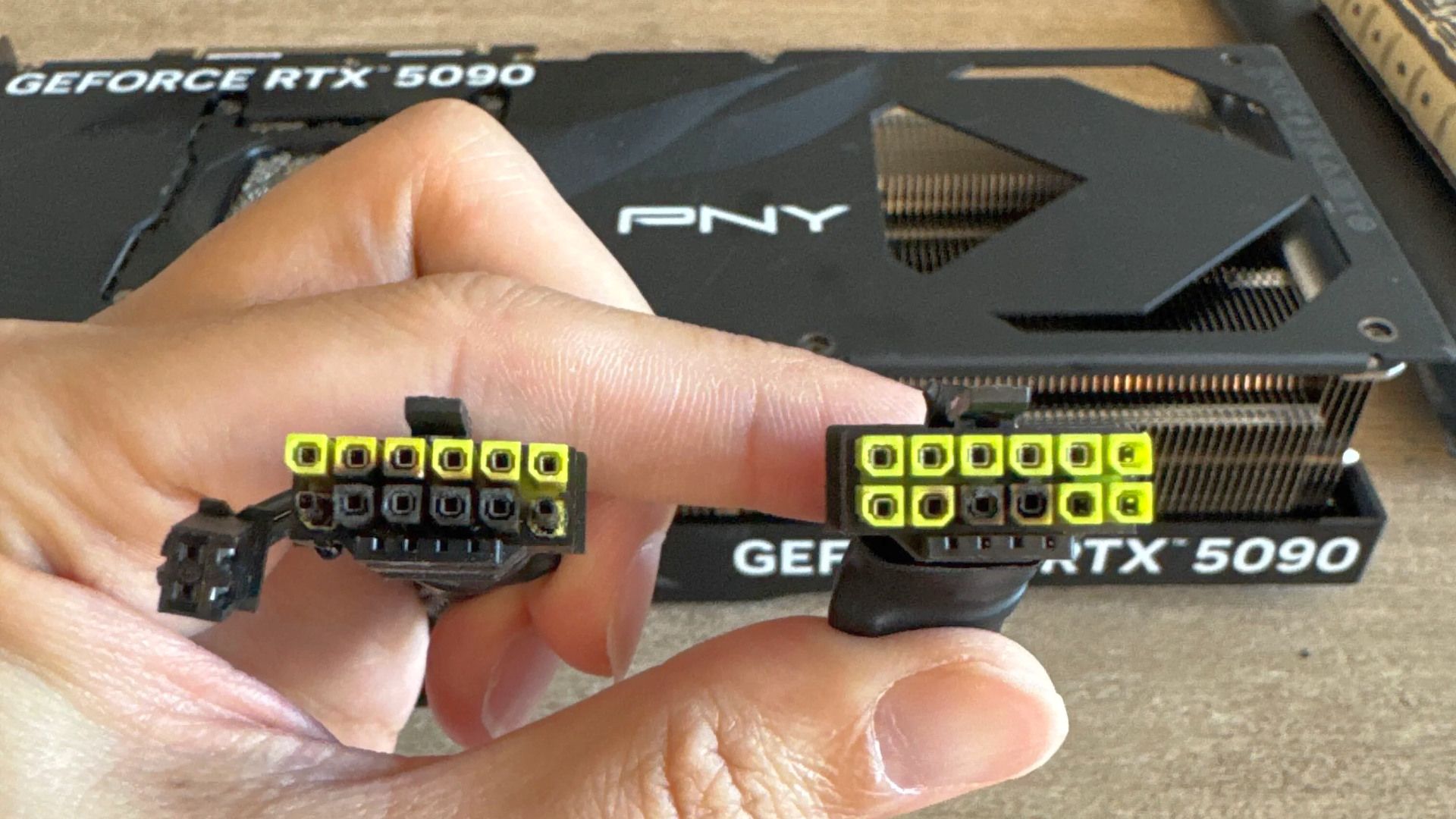
PNY allegedly refuses to cover melted RTX 5090 powered by native power supply cable

When you buy a product, there is a reasonable expectation of warranty service. When you spend multiple thousands of dollars on a computer graphics card (a product category that has only recently entered the multi-thousand-dollar range), there is a reasonable expectation of exceptional service. What if, instead, you got absolutely no service? According to Redditor /u/Melodic_Initial_1767, that's what he got when he tried to RMA his burned GeForce RTX 5090.

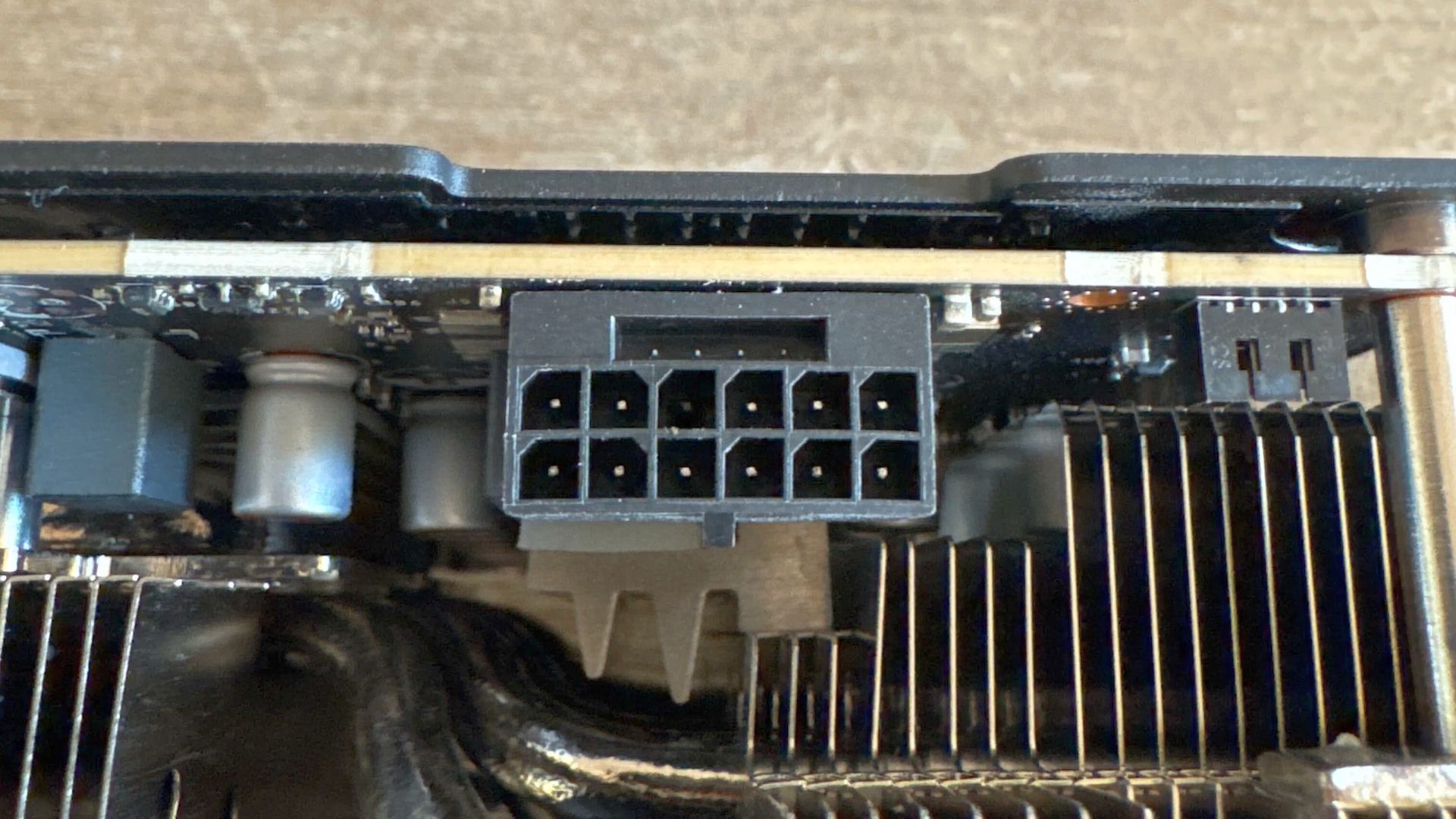
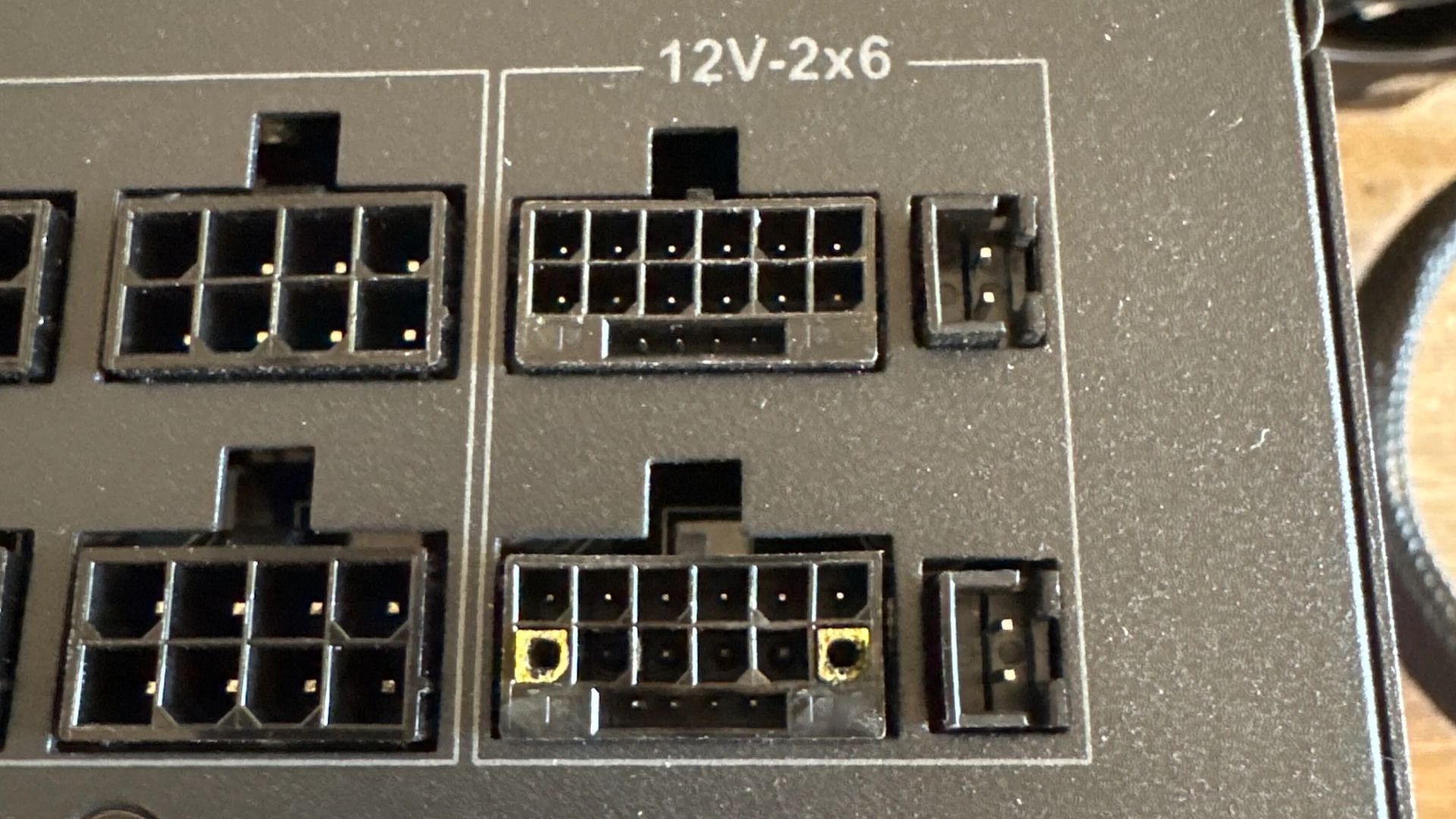
Like so many others, "Melodic" found his graphics card non-functional after melting the 12V-2x6 connectors on both ends of the modular cable that came with his 1600-watt ASRock power supply (the PG-1600G, which we reviewed last year). This happened despite the fact that he says he was using the stock BIOS, no overclocking, and, in fact, a manually reduced power limit. Moreover, the card was supposedly sitting idle when it died, although that doesn't really mean anything. He opened a ticket with PNY and says he was denied the next day with this response:

All PNY GPUs that require a 16-pin (12VHPWR / 12V-2x6) input include a PNY-approved power cable or adapter in the box. This cable is the only configuration covered under warranty. If a third-party power cable, adapter, or PSU cable is used and damage occurs - including melting, burning, overheating, or deformation of the connector - PNY cannot accept the product under warranty. Damage caused by non-PNY cables falls under the responsibility of the manufacturer of that cable or power supply.

Alleged PNY Support response (via /u/Melodic_Initial_1767)

Well, he wasn't using the included cable or an approved one, but he was using the native cable from his power supply; surely that should be good enough, right? After all, the warranty terms actually don't appear to say a single thing about 12VHPWR or 12V-2x6 cables. According to the Redditor, the only thing the warranty says about power is that the card has to be "installed in accordance with the installation guide provided herewith." Guess what the installation guide says?

A photo of the damaged connector on the Redditor's GeForce RTX 5090 card.

The card-side connector doesn't even look that bad, but apparently the card doesn't work at all. (Image credit: /u/Melodic_Initial_1767 on Reddit)

If you guessed "locate an unused power connector within your system and plug it into the corresponding connector on your graphics card," congratulations, you will also be denied warranty service from PNY, because apparently you have to intuit which cables are approved by PNY, since, as far as we can see, there's no list of approved cables anywhere on PNY's website, nor in the product documentation for its graphics cards. Besides, the card didn't come with a 16-pin cable, so it's not like he could have used PNY's own cable, and the idea that the firm would prefer him to use an "octopus" adapter over a native cable is shaky at best.

I personally have never had the pleasure of dealing with PNY support, but multiple other Redditors in the thread, which is nearing 1,200 replies at this point, have mentioned a history of difficulty getting support from PNY. When asking the company which clause of their warranty policy they are using to deny his warranty request, /u/Melodic_Initial_1767 was apparently told by a "Senior Technician" that the decision is final and that his ticket had been closed.

A photo showing a damaged 12V-2x6 connector on an ASRock power supply.

The power supply is supposed to include a temperature sensing mechanism to prevent this sort of thing from happening. (Image credit: /u/Melodic_Initial_1767 on Reddit)

A notable point brought up by /u/dusto_man in the thread is that the ASRock power supply used by "Melodic" advertises a "TempGuard" feature that supposedly monitors the temperature at the 12V-2x6 connector on the PSU side for safety, but clearly that either wasn't configured or also failed. ASRock offers a ten-year warranty on that unit; /u/dusto_man mentioned this in a thread where users were advising the original poster to contact ASRock and let that firm go after PNY to avoid covering the failed GPU, which is worth multiple thousands of dollars now.

Indeed, that could be why PNY is attempting to shut down the RMA attempt. The firm may not have any GeForce RTX 5090 cards to send him, and even if it does, the cheapest GeForce RTX 5090 card available to buy new on the market today is $4400 USD, and PNY would likely prefer to sell it at that price instead. While the board vendor is most likely only on the hook (legally) for /u/Melodic_Initial_1767's original purchase price, that could still easily be $2,000 or more. We have now seen these same RMA denial patterns with storage and memory devices from multiple vendors during the shortage, so it wouldn't be an exception. We'll have to wait and see if PNY will stand on unwritten technicalities rather than take a hit to its bottom line.

  •  

Nvidia DLSS 5 power draw hits 647W as power connector runs hotter than the GPU die, upscales frame rates and flame temps on 16-pin

There is no doubt the GeForce RTX 5090 is one of the best graphics cards and has the full potential to leverage DLSS 5. However, if you plan to hop on the DLSS 5 bandwagon, you may want to keep an eye on your graphics card's temperatures and power consumption. According to tests by Korean outlet QuasarZone, the GeForce RTX 5090 Founders Edition peaked at nearly 650W in power draw, with the highest recorded temperature on the 16-pin (12VHPWR) power connector exceeding 90 degrees Celsius. Notably, that is higher than the standard temperatures measured for the GPU die.

While less frequent, user reports of the 16-pin power connector melting are still popping up if you look around the Internet, particularly on Reddit. Even a couple of media outlets have also encountered power connector meltdowns during their use. So, it is not an issue that affects only new users; 16-pin power connector failures extend to seasoned industry veterans, too. There is no prejudice toward Nvidia's Blackwell-powered graphics cards, either. Similar meltdowns have appeared on AMD Radeon graphics cards. Running DLSS 5 may just be adding fuel to the fire, figuratively.

QuasarZone ran Cyberpunk 2077 in a controlled environment at 27.5 degrees Celsius for 20 minutes. The publication used a 4K (3840x2160) resolution with DLSS Quality and Ultra image settings and monitored the temperature of the 16-pin power connector. The media outlet tested the GeForce RTX 5090 Founders Edition, Asus ROG Astral GeForce RTX 5090, and GeForce RTX 5080 Founders Edition.

Nvidia DLSS 5 Impact On 16-pin Power Connector Temperatures

Graphics Card

DLSS 5 Off (Celsius)

DLSS 5 On (Celsius)

Temperature Increase

GeForce RTX 5090 (Latch Side)

77.1

83.4

8%

GeForce RTX 5090 (Opposite Side)

80.9

91.7

13%

GeForce RTX 5080 (Latch Side)

45.8

52.2

14%

GeForce RTX 5080 (Opposite Side)

47.6

48.6

2%

In the first round of testing using a GeForce RTX 5090 Founders Edition with DLSS 5 disabled, QuasarZone measured 77.1 degrees Celsius on the latch side of the 16-pin power connector and 80.9 degrees Celsius on the opposite side. With DLSS 5 enabled, the temperatures quickly jumped to 83.4 and 91.7 degrees Celsius, respectively.

Before DLSS 5, the average core and peak temperatures for the GeForce RTX 5090 were 79.4 and 82.3 degrees Celsius, respectively. Afterward, they increased to 83 and 86.3 degrees Celsius. As a result, the 16-pin power connector was the hottest spot on the GeForce RTX 5090.

In contrast, the GeForce RTX 5080 Founders Edition ran at significantly lower, more manageable temperatures. Before activating DLSS 5, the temperature on the latch side and opposite the 16-pin power connector registered 45.8 and 47.6 degrees Celsius, respectively. With DLSS 5, the temperatures rose to 52.2 degrees Celsius on the latch side and 48.6 degrees Celsius on the opposite side. The results were not a surprise, since the GeForce RTX 5080 consumes less power than the GeForce RTX 5090.

Nvidia DLSS 5 Impact On Graphics Card Power Consumption

Graphics Card

DLSS Off (Watts)

DLSS On (Watts)

Power Draw Increase

GeForce RTX 5090

509.2

575.1W

13%

GeForce RTX 5080

298.2

350.3

17%

Using HWiNFO to measure average power consumption, the GeForce RTX 5090 showed a 13% increase in power draw with DLSS5 enabled. By contrast, the GeForce RTX 5080 showed a 17% increase in average power consumption under the same conditions. Despite these notable increases, both cards seemingly stayed within their official TDP specifications, with the RTX 5090 rated at 575W and the RTX 5080 at 360W.

HWiNFO uses a software-level API to poll power metrics from the graphics card's telemetry sensors. While it is sufficient for everyday monitoring, nothing is more accurate than measuring power directly from the circuit board. The Nvidia Power Capture Analysis Tool (PCAT) is perfect for that.

Graphics Card

DLSS Off (Watts)

DLSS On (Watts)

Power Draw Increase

GeForce RTX 5090 (Peak)

582.5

658.0

13%

GeForce RTX 5090 (Average)

527.3

593.9

13%

16-pin Power Connector

582.7

646.7

11%

QuasarZone found that the GeForce RTX 5090's average and peak power draw increased by 13%, effectively exceeding the graphics card's power limit. The average power consumption readings differed by 3% between HWiNFO and PCAT.

Focusing primarily on the 16-pin power connector, QuasarZone's PCAT measurements showed a 582.7W power draw without DLSS 5 and 646.7W with it on, representing an 11% increase.

While 658W sounds scary, it does not compare to what we have seen on custom GeForce RTX 5090 models. On the GeForce RTX 5090 32G Lightning Z with DLSS 5, we observed the graphics card's power consumption spike to 592W at 1080p, 695W at 1440p, and 848W at 4K.

Using the Asus ROG Astral RTX 5090 as a test subject, QuasarZone recorded the current flowing through each of the six power pins from the 16-pin power connector. Before enabling DLSS 5, the power readings ranged from 6.94A to 7.47A. When activated, the power readings spiked to between 7.83A and 8.51A. While the values remained within PCI-SIG’s requirement of 9.2A per pin, headroom is extremely thin, with just 0.69A between the highest recorded current and the official threshold.

In another simulation, the Korean media outlet explored the consequences of a loose pin or improper connection in the 16-pin power connector. This is the most common scenario that leads to 16-pin power connector meltdowns, due to unbalanced power loading across the connector. With one nonfunctional power pin, the electrical load is redistributed to the remaining pins.

With DLSS 5 off, the highest current registered on a single pin reached 8.9A. This value remains uncomfortably close to PCI-SIG's standard. However, turning on DLSS 5 pushed the power pins to 10.1A, 10% above the specification. The simple test highlights just how easily and quickly things can go wrong.

QuasarZone's alarming test results may look like fuel for fearmongering. However, the publication's tests align closely with our findings that DLSS 5 substantially increases power consumption. At least one user has allegedly reported a 16-pin power connector meltdown while experimenting with DLSS 5.

  •  

Lucky 3D artist scores Jensen Huang-signed RTX 5090 from used marketplace that's worth up to $15,000

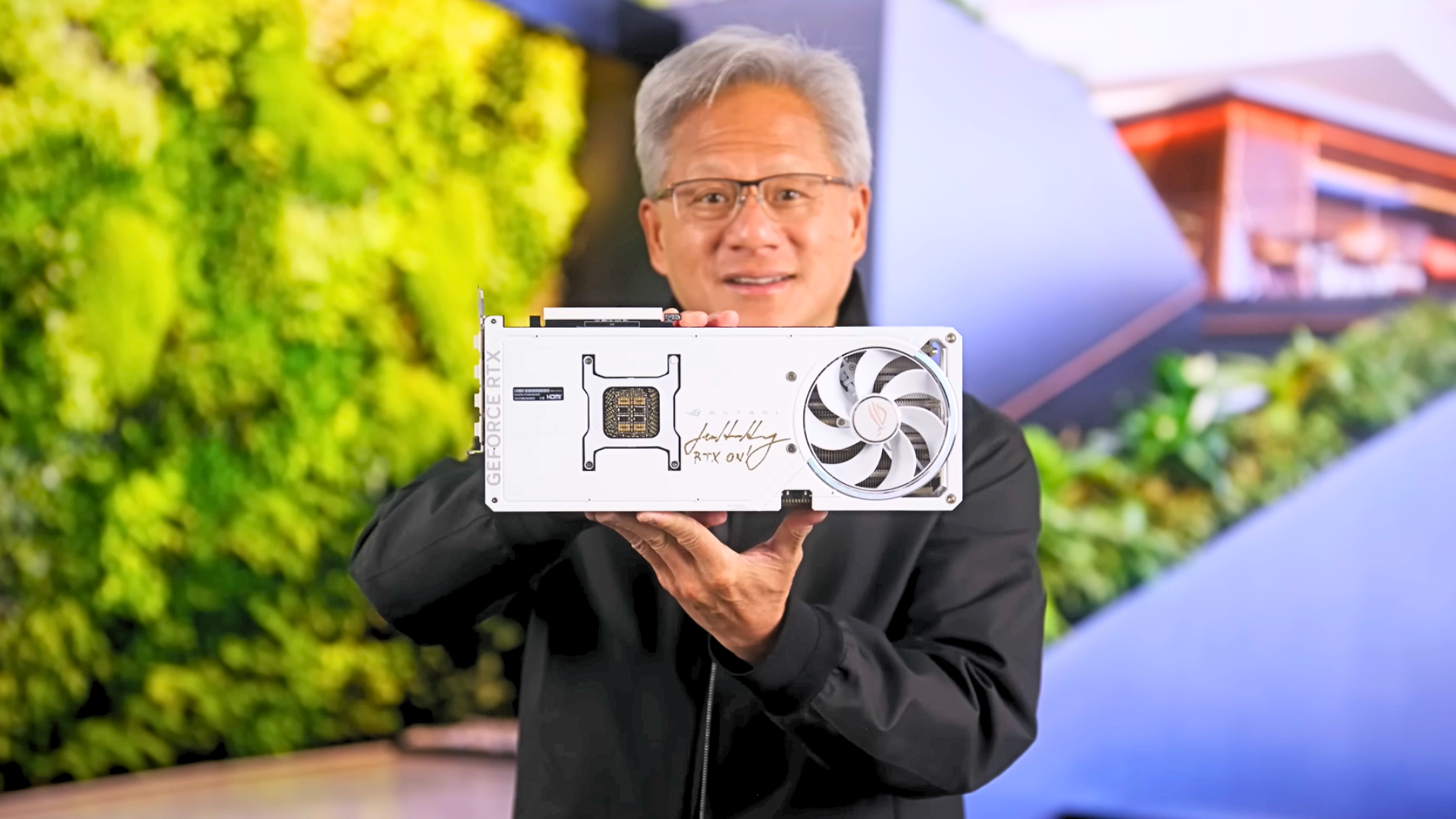
A 3D artist looking to purchase an RTX 5090 for their work claimed that they scored an unopened Asus ROG Astral RTX 5090 White OC from the secondhand market. According to Wccftech, the artist purchased the GPU expecting that it was signed by an Asus executive in celebration of the company’s 30th anniversary. But when they opened the package, they found the Nvidia chief’s signature on it instead.

Jensen Huang autographed the GPU and showed it off on camera last year, after which it was supposed to be given away by one lucky gamer. The artist did not mention how much they bought the “used” GPU for, but brand-new models of the RTX 5090 now hit $5,000 and can go up even higher, depending on the model. They also said that after opening the box, they did not use or test it, opting to sell it instead because of the immense value that such a limited-edition graphics card held for the right buyer.

This specific GPU is now in the hands of the Bonhams auction house, with bidding set for Oct. 4 to 14, 2026. It’s estimated that the graphics card will fetch somewhere between $10,000 and $15,000, especially as it bears the signature of Nvidia’s founder. However, it should be noted that an Asus ROG Matrix RTX 4090 sold for $16,000 back in 2023, while an Asus ROG Astral RTX 5090 Dhabab OC Edition was auctioned off last year for $24,200. Both GPUs were also autographed by Jensen, so there’s a good chance that this graphics card could fetch a much higher price.

Another Jensen Huang-related object was put on the auction block earlier this year and hit a record price. The leather Tom Ford jacket that the CEO wore at the Hon Hai (Foxconn) Tech Day in Taipei way back in October 2023 went up on Sotheby’s, where it was estimated that it would fetch somewhere between $40,000 and $60,000. However, the final price ended up at $960,000 — more than a hundred times higher than the jacket’s $9,000 price tag from the manufacturer.

Even though Jensen Huang isn’t a celebrity in the traditional sense, his approachable public persona and success story have made him quite popular among his fans. This “Jensanity” is prevalent in Taiwan, where he was originally from, and many see him as the bearer of Taiwanese pride and treat him like a pop star. It seems that this translates to his rich fans, too, with a few who are willing to spend thousands of dollars just to get their hands on autographed “artifacts” from the billionaire.

  •  

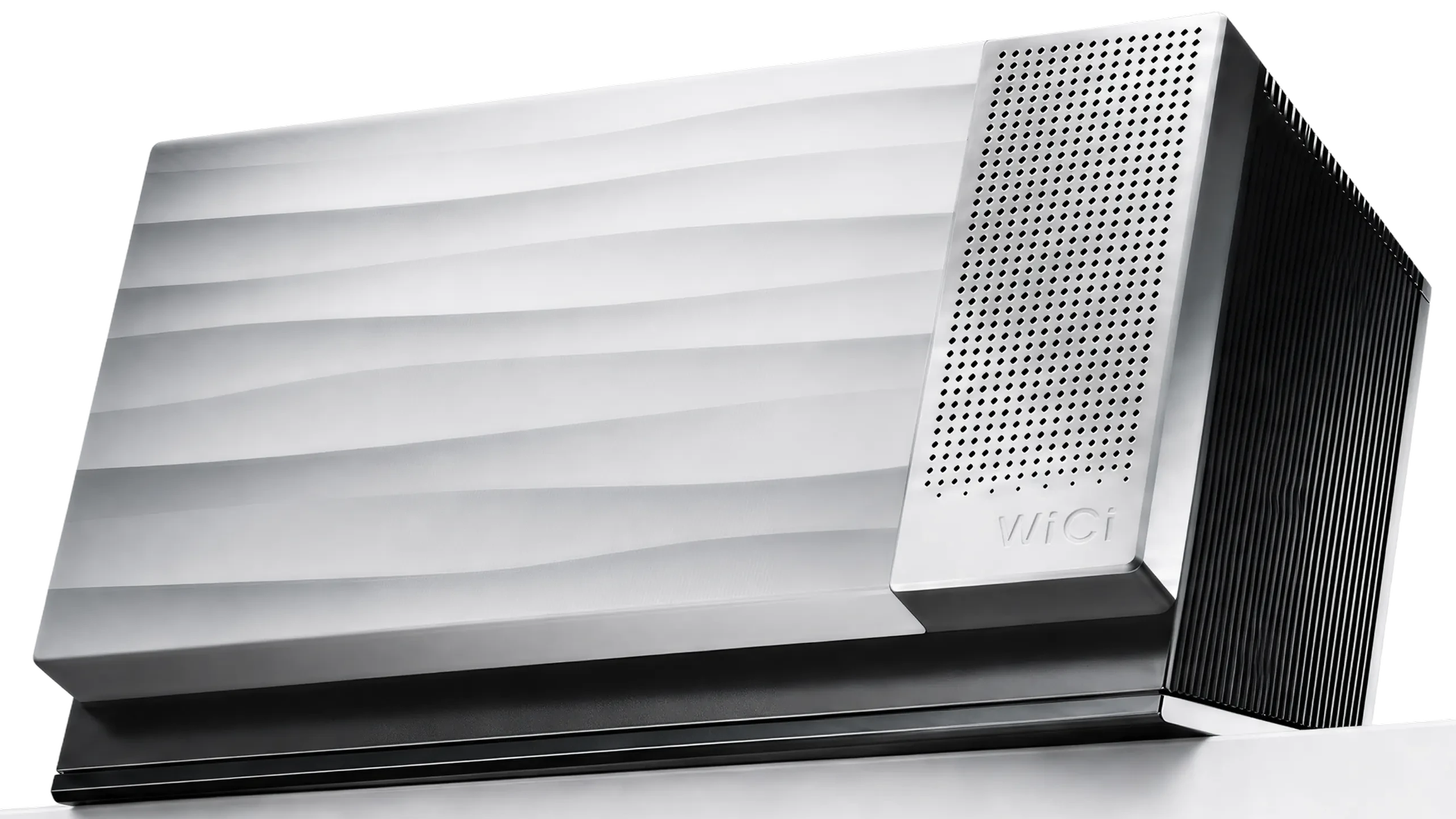
New wireless Wi-Fi 7 external GPU box comes with a built-in 4TB SSD for local AI

External GPUs (eGPU) have been tried time and again, and while they have found their niche among laptop users, they're not commonplace. Now that the AI craze is in full swing, more people are looking into owning a graphics card of some sort for the single purpose of running LLMs locally. The WiCi One is designed with that specific scenario in mind, but adds wireless connectivity, multi-device support, and onboard storage.

That list of words usually doesn't belong in the same sentence as GPUs, so it merits close inspection. First and foremost, the WiCi One leverages the WiFi 7 protocol to transmit data to and from the card. The firm says that client machines keep a GPU driver that makes the operating system think it's a graphics card just like any other, while in reality they'll be talking to the WiCi One over the network.

However, as WiCi explains in great detail, just blindly doing that would make for a terrible eGPU, as the standard communication between host and card is extremely chatty. That's not a problem with the sub-microsecond latency of PCIe 5.0, but would quickly turn even basic status querying operations into multi-second affairs. Large computations with lots of data shuffled back and forth could hypothetically take hours.

The company claims its driver software performs a great deal of data caching, deduplication, and compression, and is also very judicious about what type of hardware requests can be handled locally versus those that really do need to go over the airwaves.

This mode of operation and its corresponding separation of concerns bring several advantages: theoretically, the one GPU could be used on multiple machines. There are Python libraries for passing the WiCi One as any other GPU to LLMs, and also a standard HTTP API for network access, once again lending credence to the fact that multiple clients could use the WiCi One without any special configuration.

Running LLMs means shuffling a substantial amount of data back-and-forth, and contemporary models with a Mixture-of-Experts (MoE) architecture can run locally using an SSD as a fallback. WiCi took a clever approach and incorporated a 4 TB PCIe 5.0 SSD directly into the enclosure, in a bid to store model weights to both enable larger models and indirectly save on cross-network transfers.

WiCi also mentions that the card can also run games without modification, but doesn't elaborate on what kind of performance is expected. The documentation only ever mentions Vulkan and Direct3D, and hedges the fact that "[not] every API must be complete on day one." WiFi makes for a poor technology to underpin a real-time endeavor like pushing millions of polygons and textures in, and the resulting images out, in just 16.67ms for 60 FPS, so we'll venture that gamers will be best served with conventional eGPUs.

The base spec comes with an RTX 5060 Ti 16 GB graphics card, and is slated for a 2026 Q4 preview, with no release date set in stone. WiCi plans to offer a variant with an RTX 5090 and its 32 GB of VRAM, albeit there's no word on when that will arrive, much less at which price — especially considering those cards alone are currently going for well over 7 grand, and have been spotted selling for far more.

The asking price for all this is $1,999 for early signups, and $2,599 otherwise, for the base spec. Those figures might sound steep, but they're actually fairly reasonable if the WiCi packaging and software stack deliver. A quick skim of Newegg puts an RTX 5060 Ti 16 GB graphics card at $800 or more, while an NVMe 4 TB PCIe 5.0 SSD is a little pricier at $850. Once you factor in a hypothetical $100 for a power supply and another $100 for the case, Wi-Fi card, and assorted bits and bobs, you're at $1,850 already.

  •  

China’s ultimate gaming GPU hits a performance wall

Despite strong launch sales, the Lisuan Tech LX 7G100 was clearly more of a domestic win for China than a contender against the best graphics cards on the market. Recent benchmark results published by German outlet PC Games Hardware (PCGH) show that the Chinese-made LX 7G100 still has a long way to go, offering only comparable performance to the nine-year-old Radeon RX 580 — but trailing by as much as 35% behind the seven-year-old GeForce RTX 2060.

Originally touted as a competitor to the GeForce RTX 4060, the LX 7G100 hit the market with high expectations. Initial benchmarks, however, quickly dispelled much of the early hype. Now, four months after its launch and following several driver updates, we once again see the LX 7G100 in the spotlight, but despite ongoing driver refinements, the graphics card's performance looks like it has flatlined.

The LX 7G100’s current performance closely matches AMD’s Radeon RX 580 and delivers a modest 5% boost over the Polaris-based card. It also outpaces Nvidia’s GeForce GTX 1060 6GB by a notable 23%. In its current state, the LX 7G100 does not have what it takes to challenge more modern models in the upper echelon of the mid-range graphics card market.

The LX 7G100 lags by more than 2.2X behind current models, such as the GeForce RTX 4060 or GeForce RX 5050. When benchmarked against the latest GeForce RTX 5060, the LX 7G100 delivers only about a third of the performance. An obvious technological gap remains between Lisuan Tech and industry giants such as Nvidia, AMD, and even Intel, and it still has a lot of catching up to do.

Lisuan Tech LX 7G100 Benchmarks

Graphics Card

14 Game Performance Index

Relative Performance Versus GeForce RTX 5060

GeForce RTX 5060

33.0

100%

Arc B580

31.6

96%

Radeon RX 9060

31.2

94%

Radeon RX 7600 XT

28.8

87%

Arc A770 16GB

27.1

82%

Arc B570

26.8

81%

Radeon RX 7600

25.8

78%

GeForce RTX 4060

25.2

76%

GeForce RTX 5050

24.9

75%

GeForce RTX 3060 12GB

23.3

71%

Radeon RX 5700 XT

22.1

67%

GeForce GTX 1080 Ti

21.7

66%

Radeon RX 6600

20.0

61%

GeForce RTX 2060

17.2

52%

LX 7G100

11.1

34%

Radeon RX 580

10.6

32%

GeForce GTX 1060 6GB

9.0

27%

In its defense, the LX 7G100 has already cleared one of the biggest hurdles that typically hinder Chinese chipmakers: driver support. Many graphics cards from emerging Chinese manufacturers have historically suffered from poor compatibility and software support. Lisuan Tech not only became the first Chinese chipmaker to obtain WHQL support for a graphics card, but the LX 7G100 launched with stable DirectX 12 gaming compatibility from the get-go. This alone has enabled the LX 7G100 to run a wide variety of modern games, including Cyberpunk 2077, Clair Obscur: Expedition 33, Assassin’s Creed Shadows, and Battlefield 6, to name a few.

Lisuan Tech is clearly committing to improving its drivers. In the past four months alone, the Chinese chipmaker has rolled out three WHQL-certified driver updates. Drivers take time to mature, and given that the LX 7G100 has not even been on the market for a year, it is unreasonable to expect Lisuan Tech to match decades of expertise like Nvidia and AMD.

From a hardware standpoint, the LX 7G100, which leverages TSMC’s N6 FinFET process node, is not a bad graphics card. The silicon houses 6,144 shading units and clocks up to 2,000 MHz to deliver a peak FP32 performance of 24.5 TFLOPs. The LX 7G100's 12GB of GDDR6 memory runs across a 192-bit memory interface to provide a maximum bandwidth of up to 432 GB/s. On paper, these metrics place the LX 7G100 close to the GeForce RTX 3060 12GB or Radeon RX 6700 XT. Currently, the GeForce RTX 3060 12GB is twice as fast as the LX 7G100.

A 2X performance gap is certainly not something that's easy to close. Who knows just how much is left in the tank for the LX 7G100. Maybe Lisuan Tech has already pushed the hardware to its limits, or maybe some driver magic will put the LX 7G100 a few steps closer to the GeForce RTX 3060 12GB. Only time will tell, and it will be interesting to revisit the LX 7G100 in a few months' time.

  •  

CyberPowerPC lands rare RTX 50-series Founders Edition cards in discounted Walmart rigs

Nvidia Founders Edition GPUs are often harder to come by compared to cards from AIB partners, and they’re typically sold on specific retail channels only. However, it seems that CyberPowerPC got its hands on these graphics cards, and you can now get them inside pre-built gaming PCs sold by the company on Walmart. These PCs are also on sale as part of the Nvidia GeForce Week from September 21 through 27 on the retail platform. Aside from coming with these coveted GPUs from Nvidia, these pre-built gaming PCs are also on a huge discount, giving gamers savings of $580 to over $1,300. Unfortunately, these units are only available in limited quantities, so we’re unsure how long stock will last.

Nvidia has recently sold Founders Edition GPUs in a pop-up retail store at QuakeCon 2026 while also having them available at the PAX West gaming convention in Seattle, Washington, earlier this month. The company calls these retail pop-up stores “Verified Priority Access IRL,” meaning only real people can buy the cards, which are sold at MSRP. The VPA program started with the launch of the RTX 4090 FE, but the company brought it back with the arrival of the RTX 5090 and RTX 5080 to help prevent scalping.

The aggressive discounts on these pre-builts suggest that CyberPowerPC acquired these Founders Edition GPUs at MSRP. The RTX 5070 FE PC with an Intel i7-14700KF, which had an SRP of $2,139.99, now only costs $1,549.00, offering savings of $590.99, while the AMD Ryzen 7 7800X3D version is priced at $1,599.00 — a $580.99 discount from its $2,179.99 regular price.

The RTX 5080 FE pre-builts offer bigger savings: the AMD Ryzen 7 version is now only $2,299.00, saving you $680.99 from its $2,979.99 SRP, while the Intel Core Ultra 9 option has its prices to $2,399.00 from $3,149.99 through its $750.99 discount. Finally, the RTX 5090 FE pre-built gaming PC has a regular price of $5,649.99 but is on sale at just $4,299.00, giving you $1,350.99 in savings.

These prices will let you get your hands on some of the best gaming GPUs on the market right now without breaking your wallet. According to the Tom’s Hardware GPU Price Tracker, the cheapest RTX 5090 is the Asus TUF Gaming RTX 5090, and it’s already priced higher on Amazon at $6,699.00, making this entire pre-built cheaper than that standalone GPU. While the RTX 5080 and RTX 5070 GPUs in the list are cheaper than these CyberPowerPC units, you’re still getting a complete system with a modern processor and a PSU, plus RAM and an SSD, which are some of the most expensive components you can find today. You also don’t have to worry about other specifications — even though the listing does not mention the brands and models of the other components included in the gaming PCs, they’re still decently specced with 32GB of DDR5 RAM and a 1TB PCIe 4.0 NVMe SSD (2TB for the RTX 5090 version). You’ll have to act quickly, though, as they seem to be selling out fast.

  •  

AMD begins to add GDDR7 support to its Linux GPU drivers

AMD has started to add support for GDDR7 memory and several new graphics IP blocks to its open-source Linux kernel driver, which indicates that software enablement for the company's next-generation standalone GPUs is underway, reports Phoronix. While AMD does not identify the upcoming architecture, the changes are likely tied to its RDNA 5 project — but they don't necessarily herald an imminent launch.

AMD's existing Radeon RX 9000-series graphics processors based on the RDNA 4 architecture use GDDR6 memory, so the addition of GDDR7 identification to drivers is arguably the most explicit confirmation that AMD is setting the stage for its next-generation discrete Radeon graphics processors based on the RDNA 5 architecture.

AMD also submitted patches that enable IH 8.0, a new version of its Interrupt Handler IP block, as well as NBIF 7.10, the latest revision of the company's New Bus Interface. Several smaller patches make additional preparations for the new hardware. These changes follow earlier Linux driver work involving Display Core Next 6 (DCN6) as well as GFX 13.0.x, suggesting that AMD is gradually upstreaming support for multiple components of an upcoming GPU architecture. Yet, while enablement of IH8, NBIF 7.10, DCN6, and GFX 13.0.x clearly point to new graphics hardware, it does not necessarily point to new discrete GPUs, unlike the mention of GDDR7.

As revealed in August, 2025, Laks Pappu, Senior Fellow at AMD, is the lead architect for AMD's next generation datacenter GPU and discrete graphics platforms. Pappu was building next-generation "competitive 2.5D/3.5D chiplet-based and monolithic graphics SoCs on various packaging technologies," according to his LinkedIn profile before it was edited to remove those disclosures.

Essentially, Pappu's profile indicated that AMD's next-generation GPU architecture could support multiple physical implementations — including multi-chiplet and monolithic — depending on performance, cost, market requirements, and AMD's willingness to compete in certain market segments

AMD has already used a multi-chiplet design with its Navi 31 GPU, an implementation that kept graphics processing hardware on a large Graphics Compute Die (GCD), but disaggregated memory interfaces and caches into smaller Memory Cache Dies (MCDs). A more ambitious implementation could potentially distribute graphics processing resources between multiple dies, although Pappu's profile did not disclose how AMD intended to partition its future GPUs.

Such an approach would be considerably more complicated than separating memory and cache functionality. Multiple compute dies would require high-bandwidth, low-latency connections as well as mechanisms for synchronization and coherency, while software would ideally continue to see the set of chiplets as a single graphics processor.

Based on conventional GPU development cycles of roughly 2.5 to 3.5 years, RDNA 5 could already have been approaching tape-out or early post-tape-out stages when the information surfaced in August 2025, which means that the company is already likely to be testing the new GPUs internally.

Officially, AMD hasn't disclosed any details about its RDNA 5 architecture nor launch schedule, so take these developments with a grain of salt. For now, all we know for sure is that AMD is working on standalone RDNA 5-based GPUs, and they're likely to use GDDR7 in at least some configurations, assuming the AI-driven memory crunch doesn't choke supply of those chips even further for consumer applications.

  •  

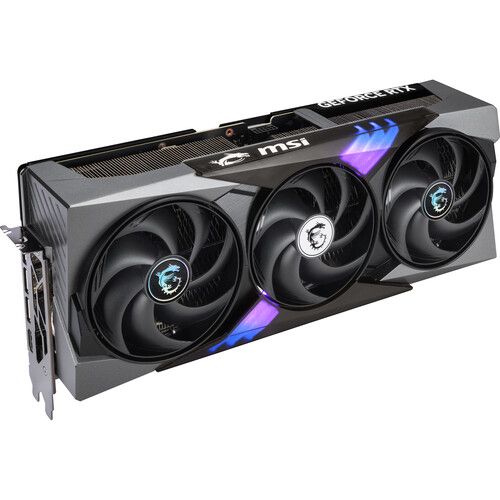
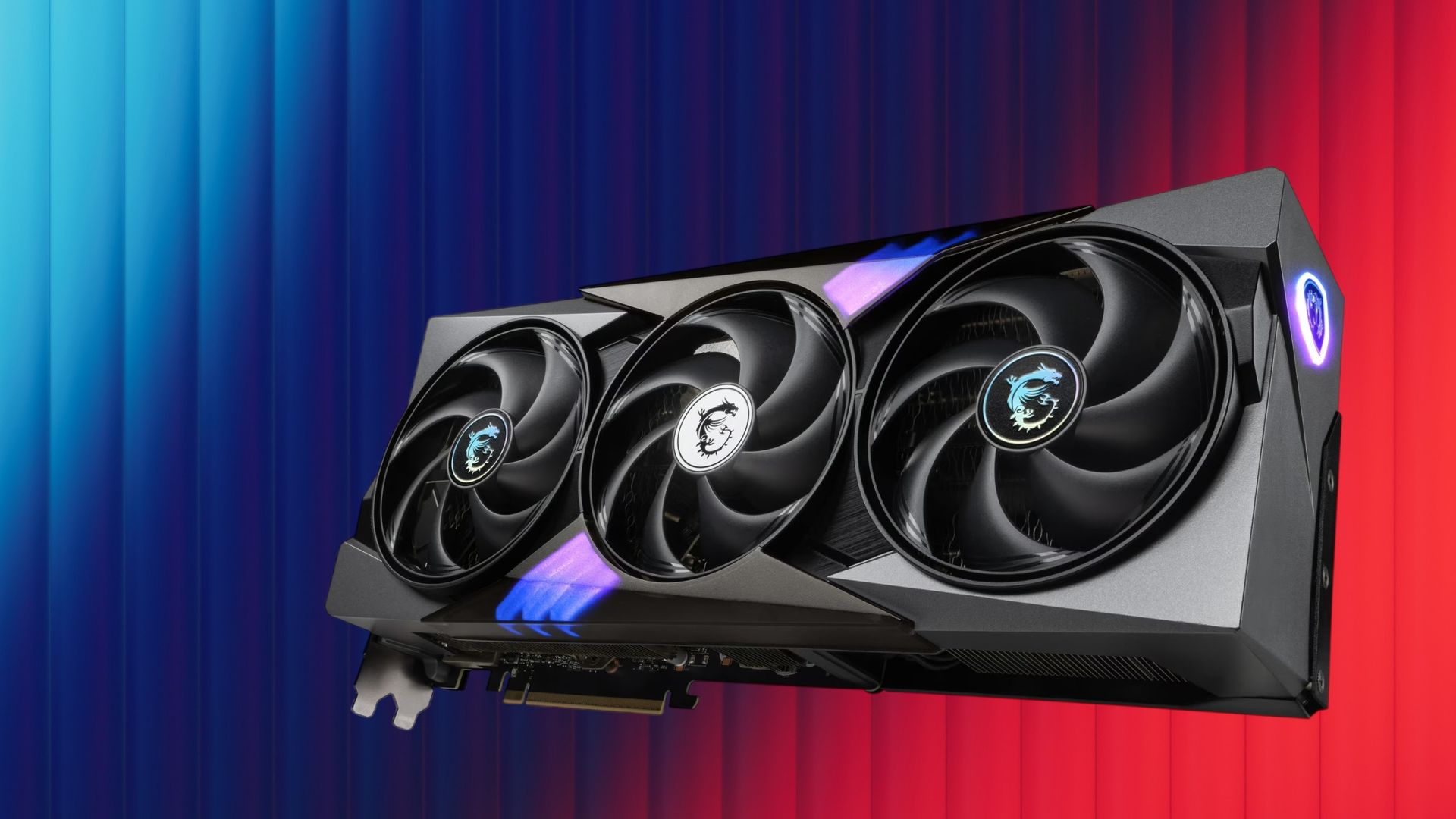
Get this spiffy, stealthy MSI Gaming Trio RTX 5090 for just $4,299

The indomitable GeForce RTX 5090 is getting harder and harder to find at any price, let alone for anywhere near its $1999 MSRP. If you can find one in stock, it's likely from a third-party seller, and prices from those sources are often over $8000 right now. But it's GeForce Week at Walmart, and as part of that deals event, you can get MSI's Gaming Trio RTX 5090 for just $4299 direct from a reputable seller — a screaming bargain in today's market.

The RTX 5090 needs no introduction as the most powerful gaming graphics card on the market today. If you're trying to max out path-traced lighting effects with all of Nvidia's DLSS 4.5 technology enabled at 4K (or even beyond), the RTX 5090 is still the king of graphics performance today.

It's also an amazing card for fast local AI work like LLM inference and image generation, and that multi-purpose appeal is part of why prices have shot up of late. New GeForce cards are still nowhere in sight, so if you're looking for the best gaming upgrade possible, the RTX 5090 is still it.

MSI's Gaming Trio GeForce RTX 5090 puts a huge, quiet triple-fan cooler on Nvidia's best-performing gaming graphics card. If you need a relatively affordable RTX 5090 upgrade, this is the way to go right now. View Deal

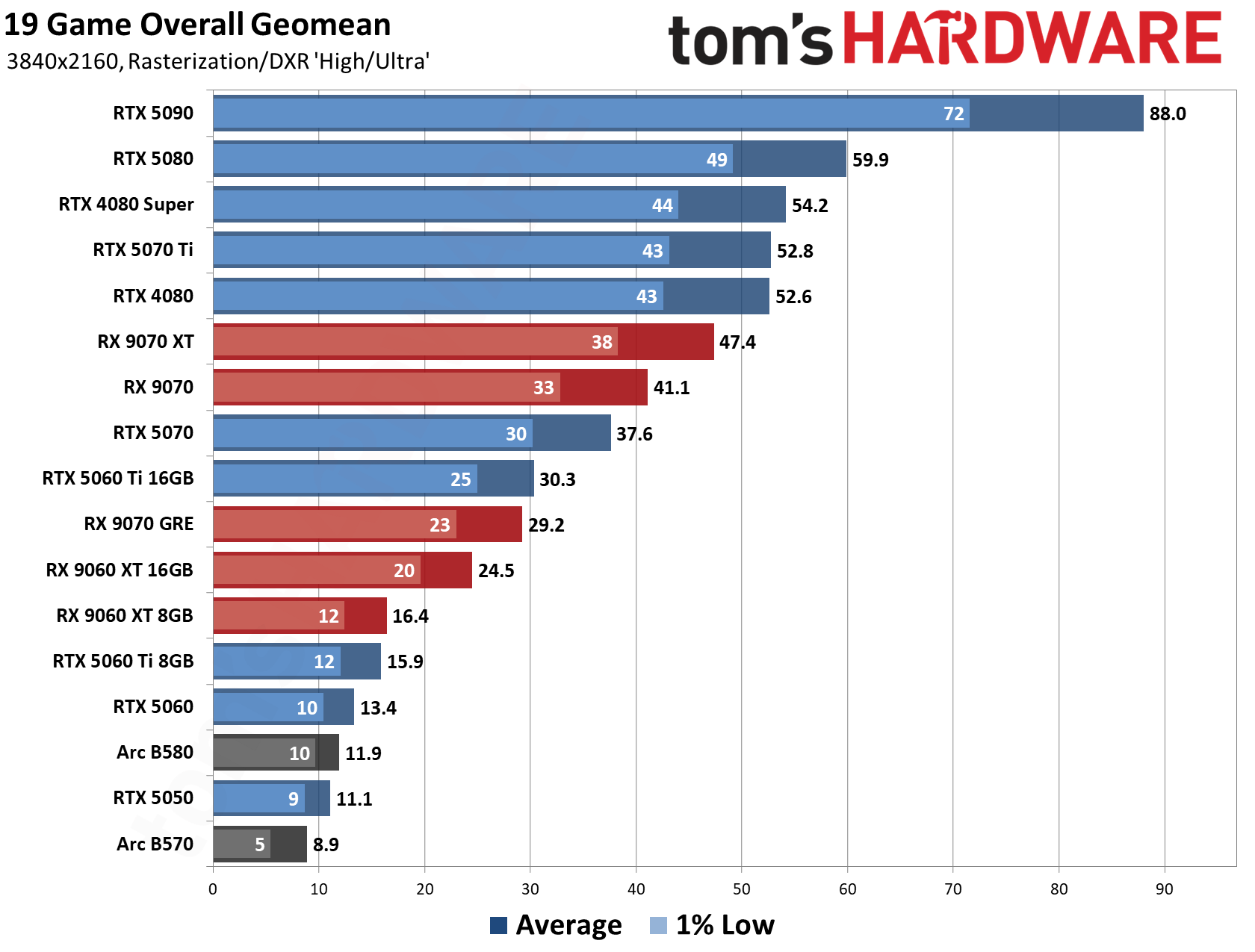
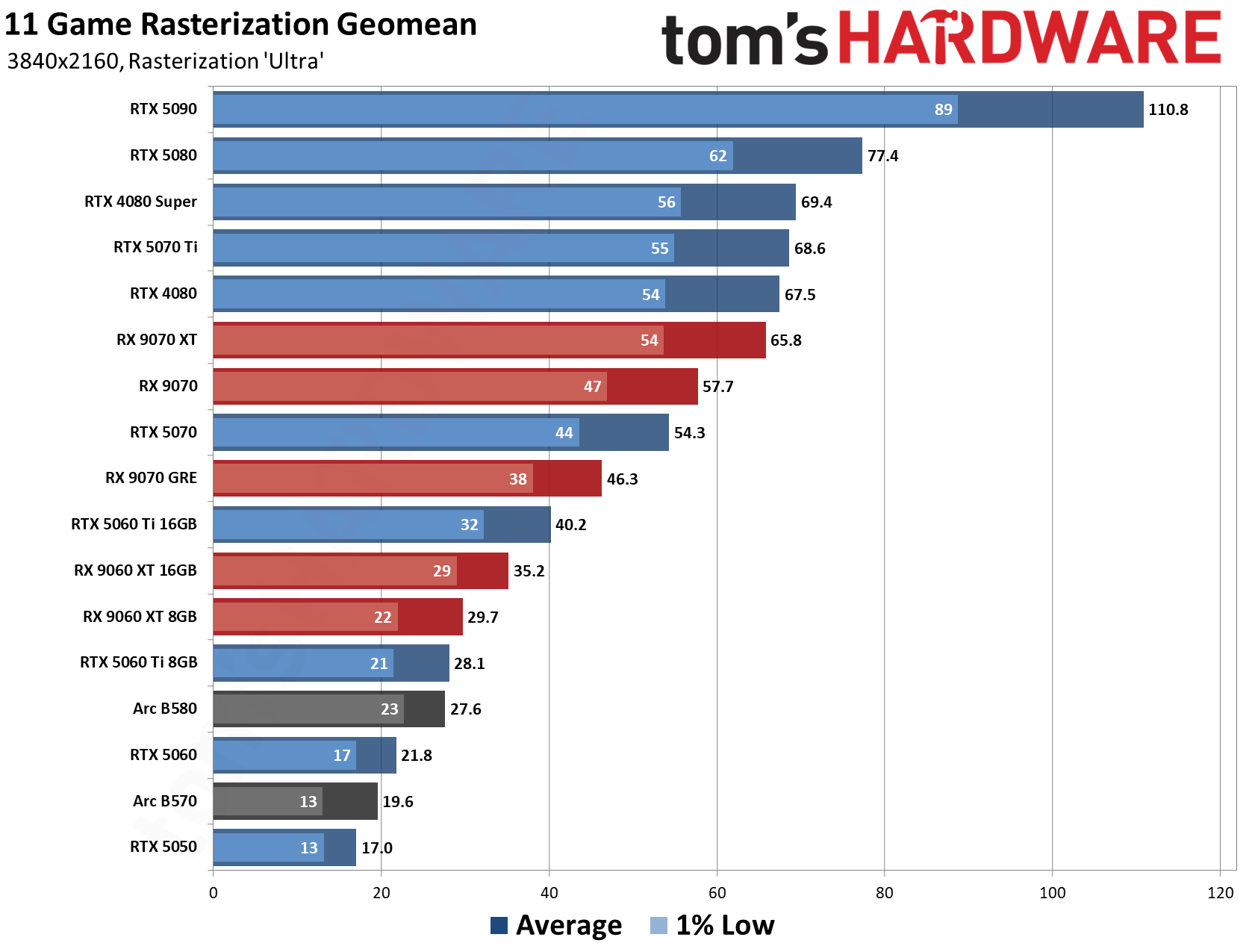
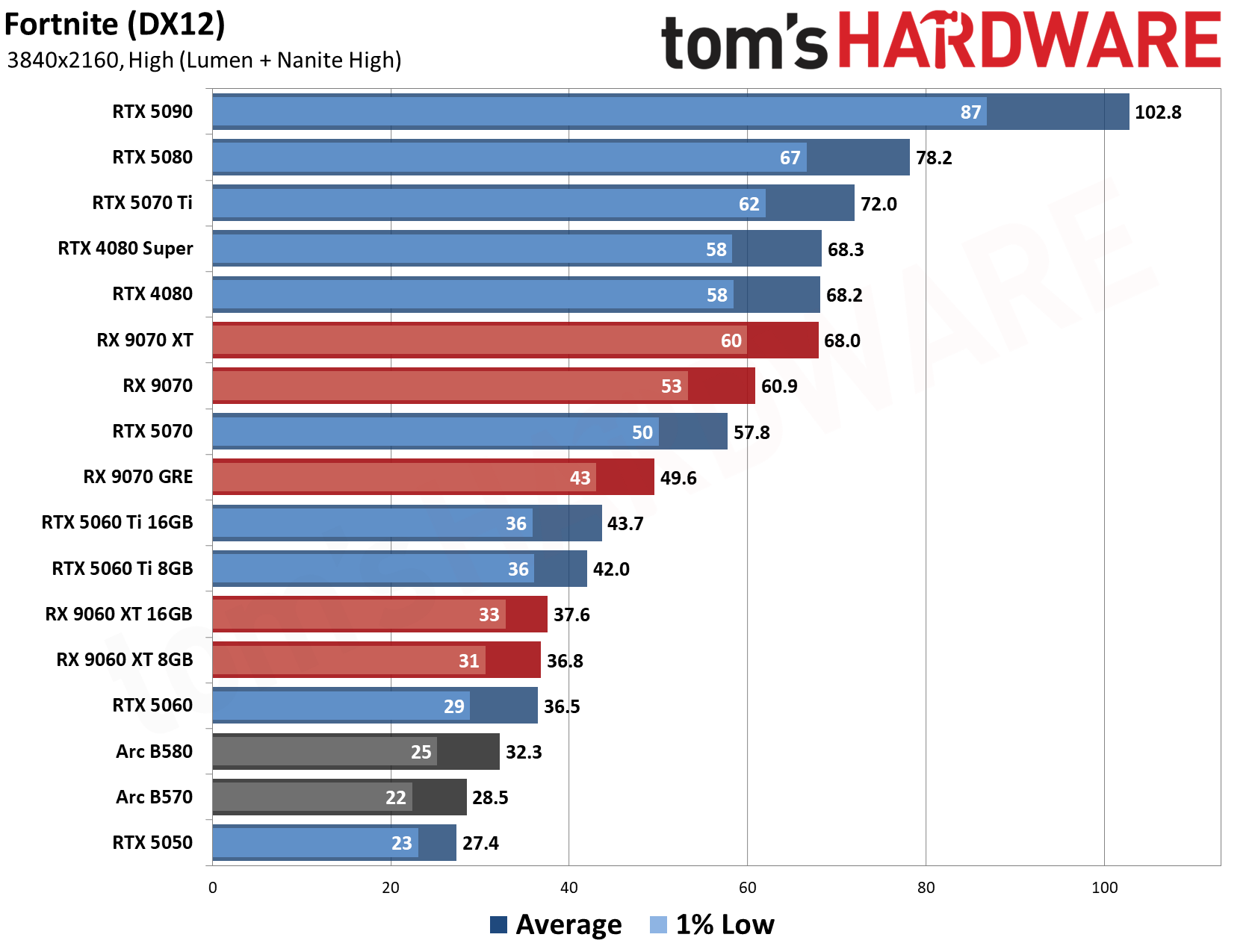
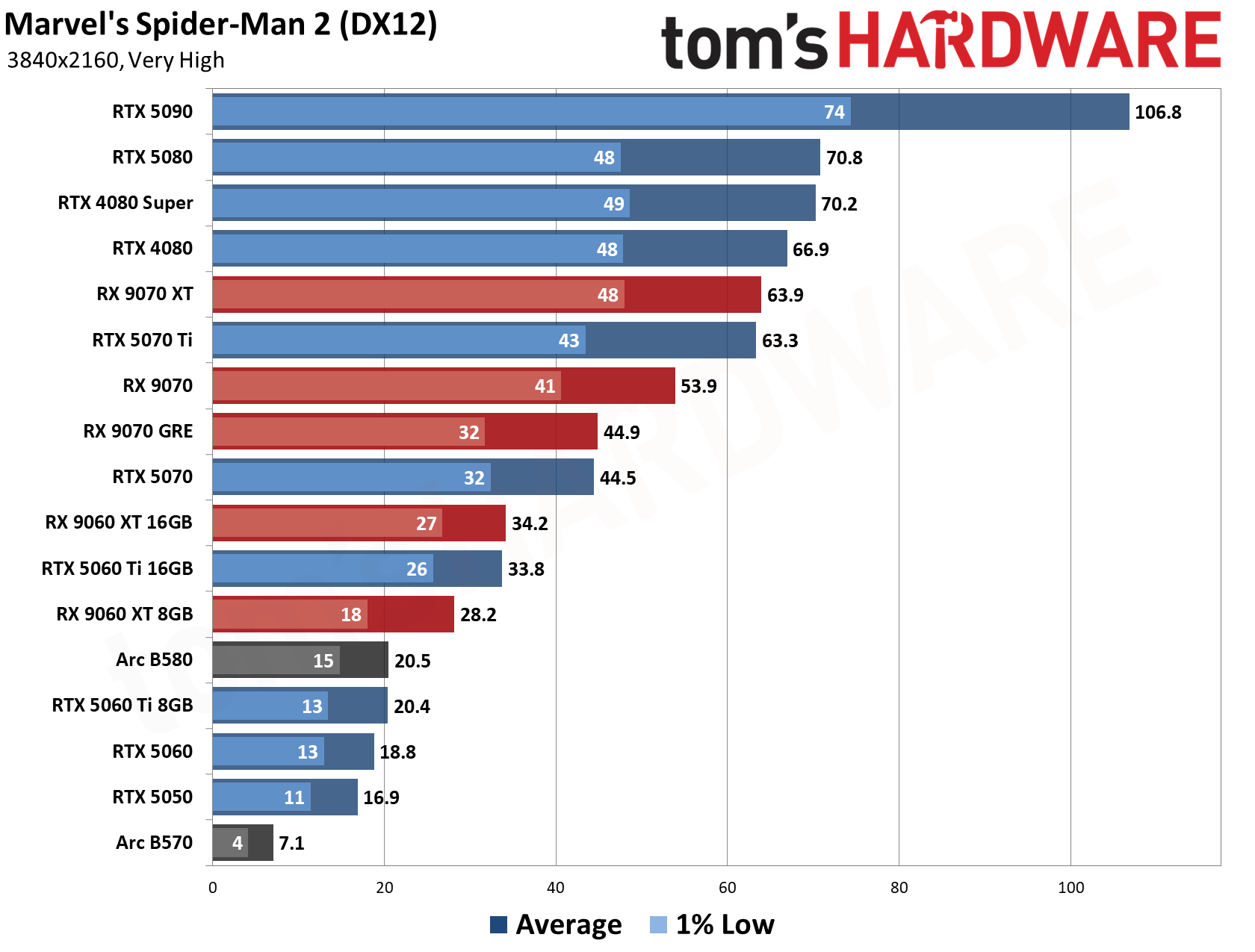
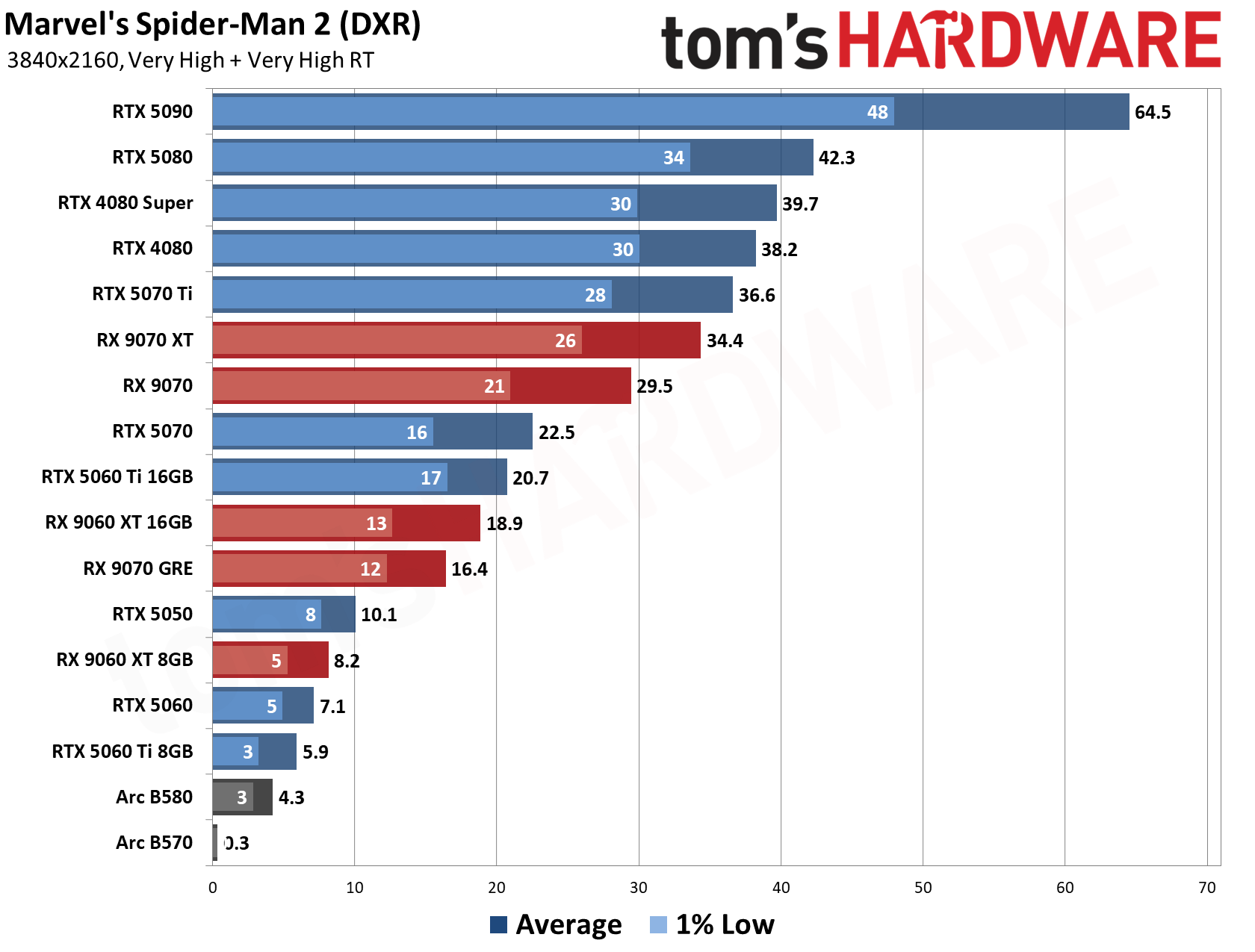
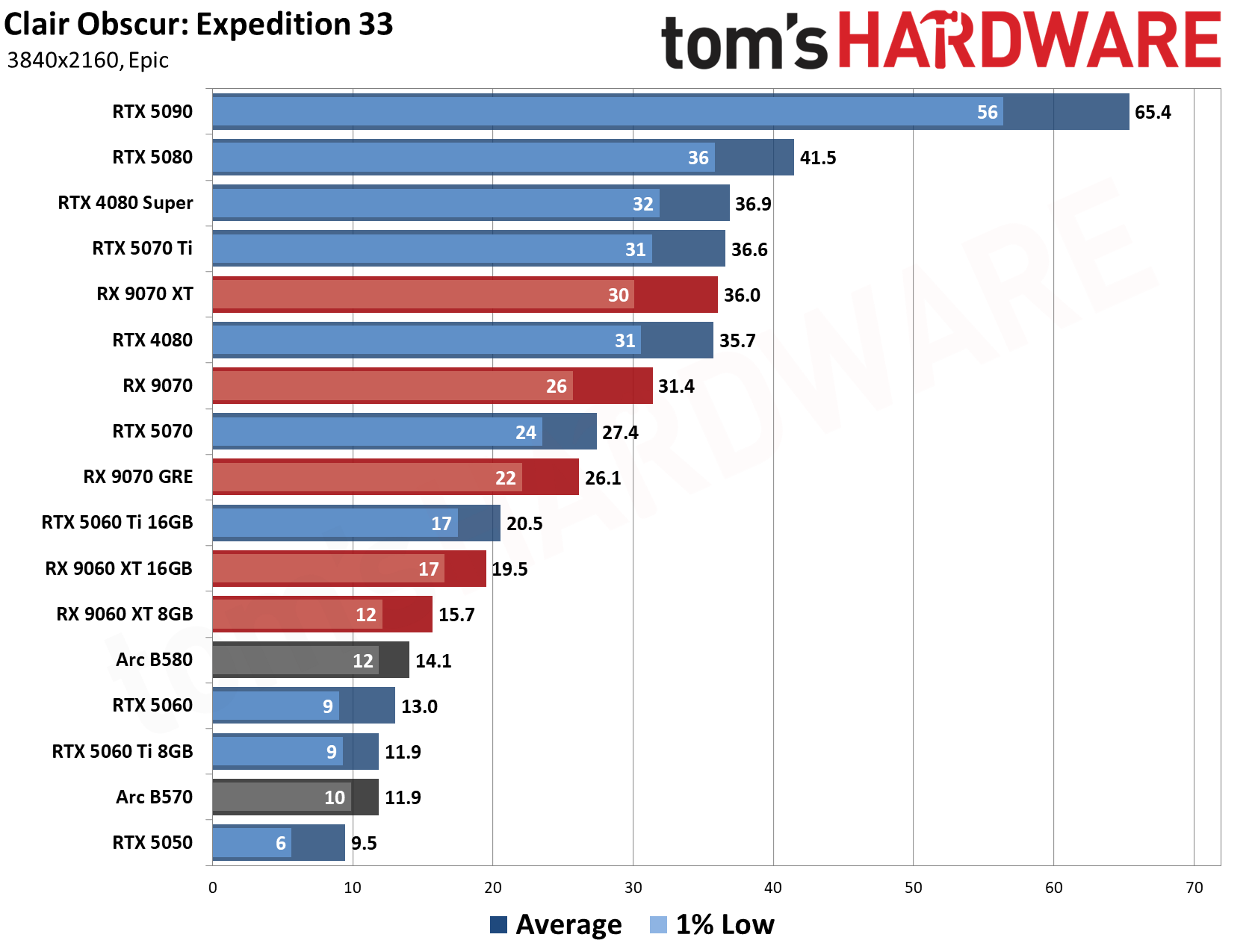
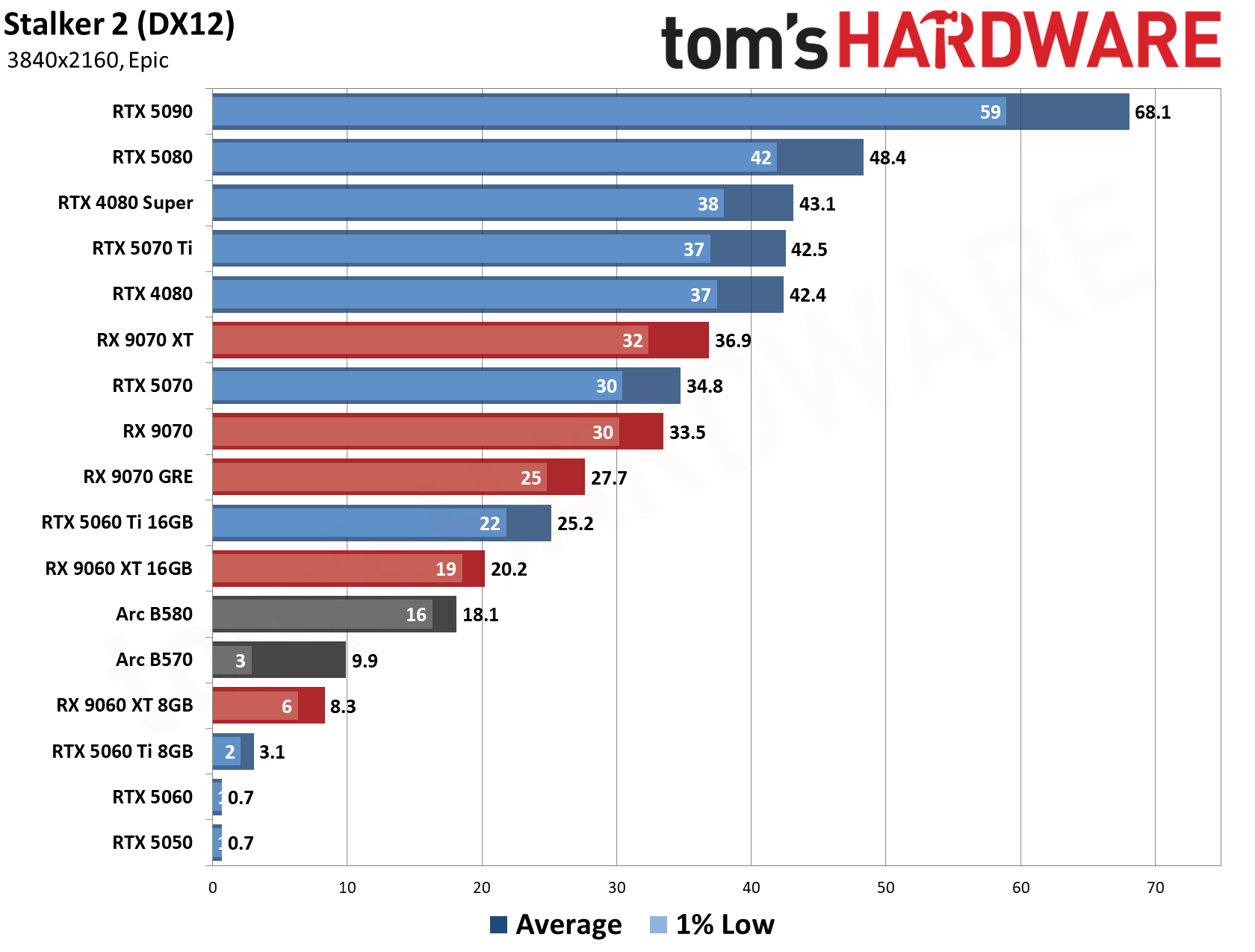
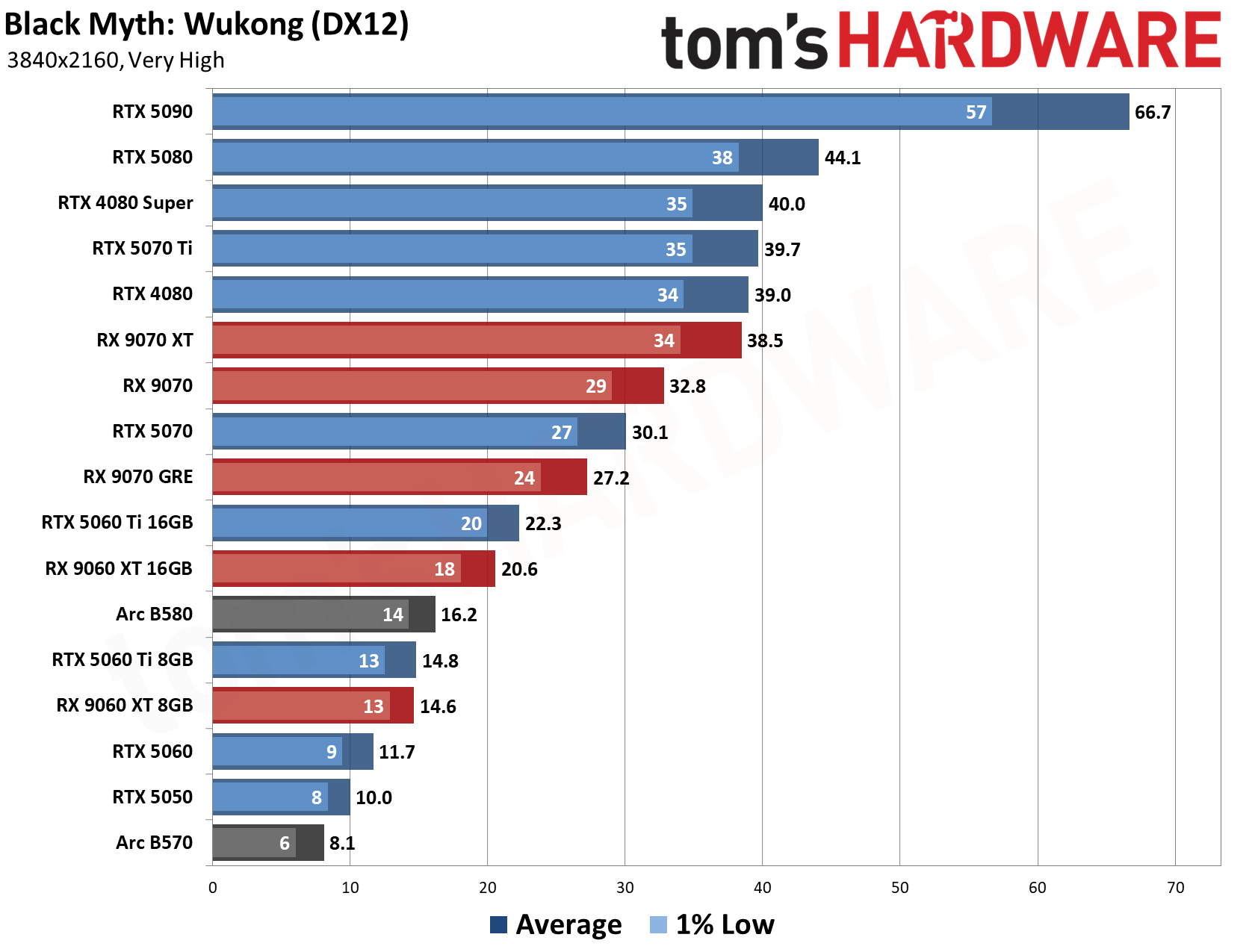
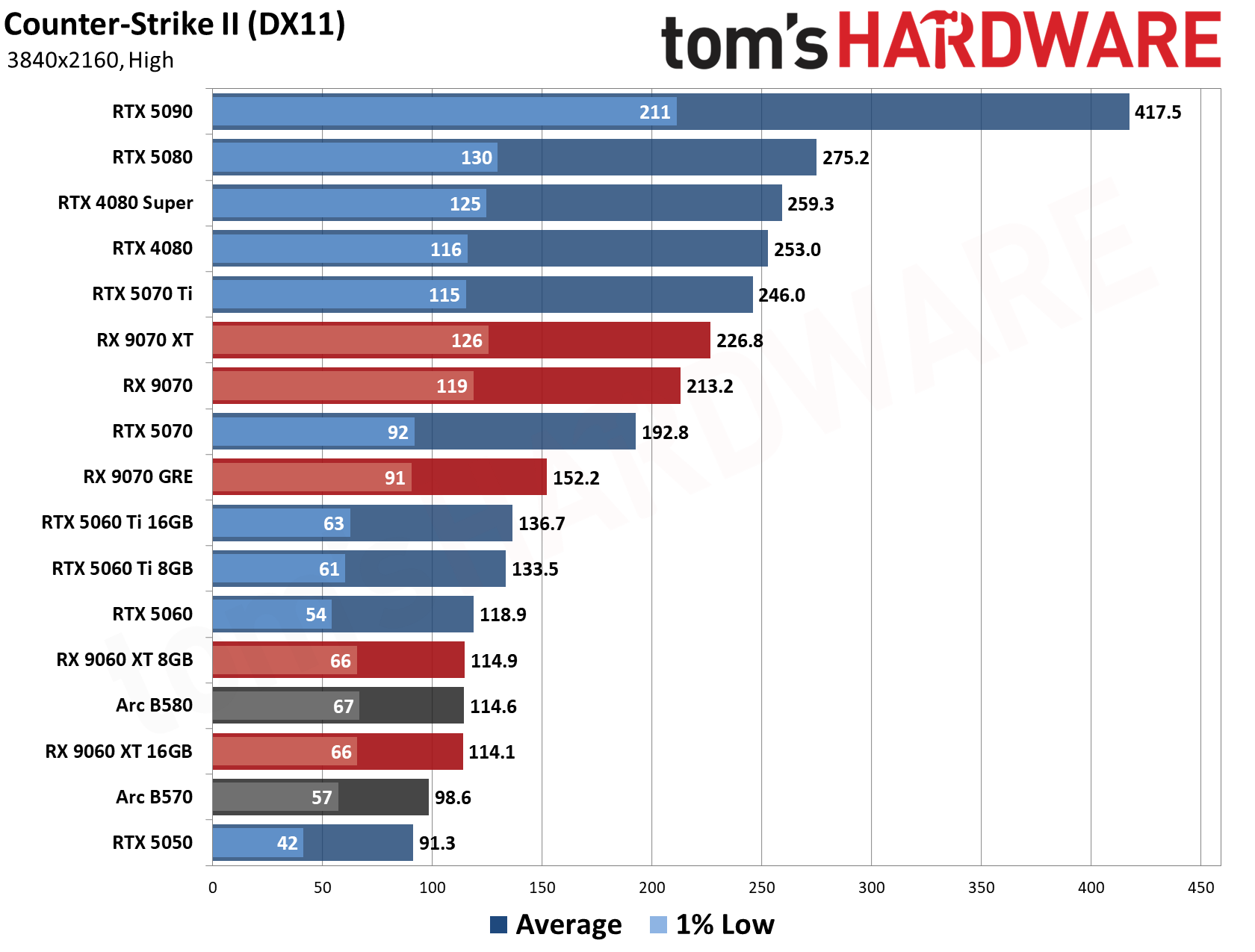
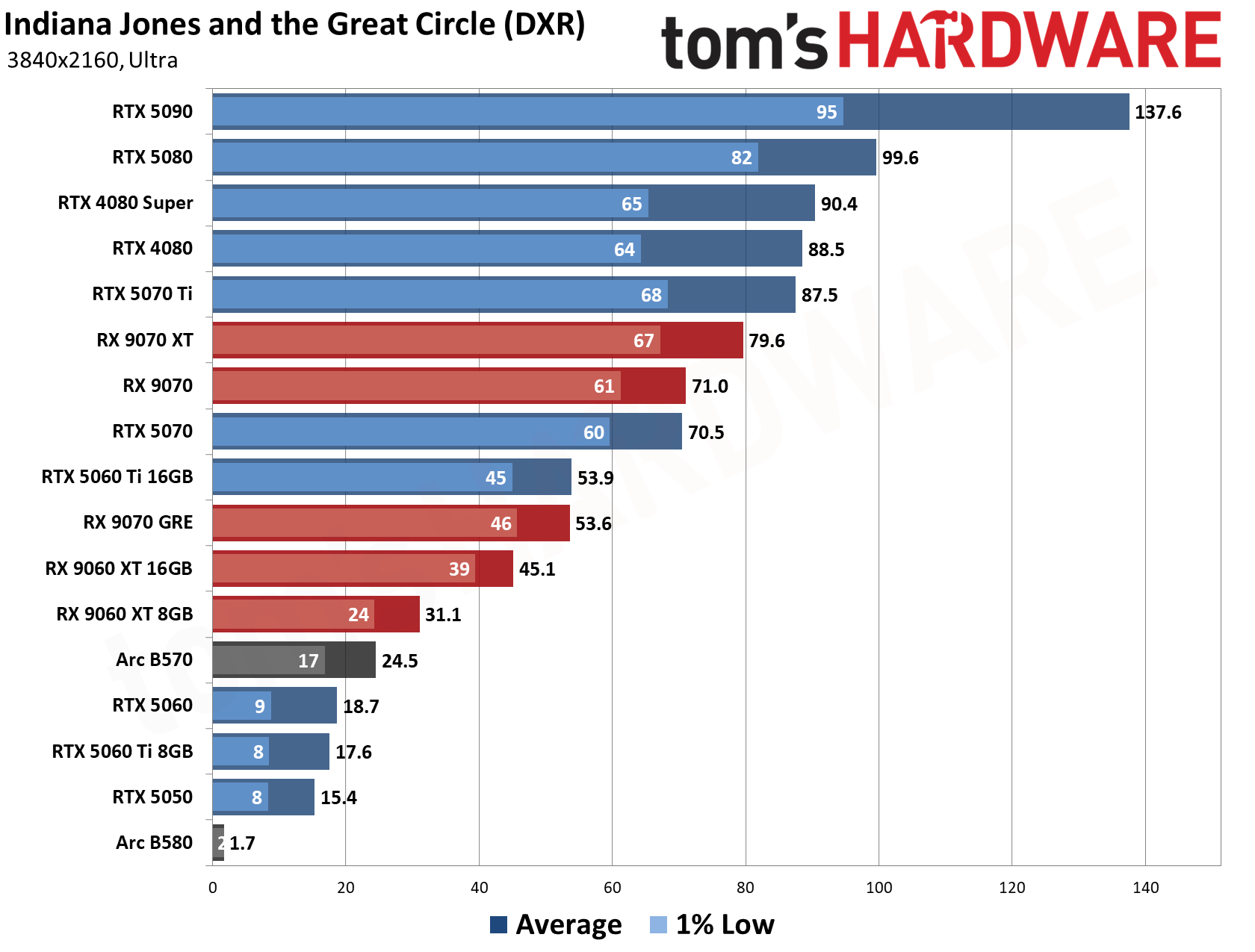
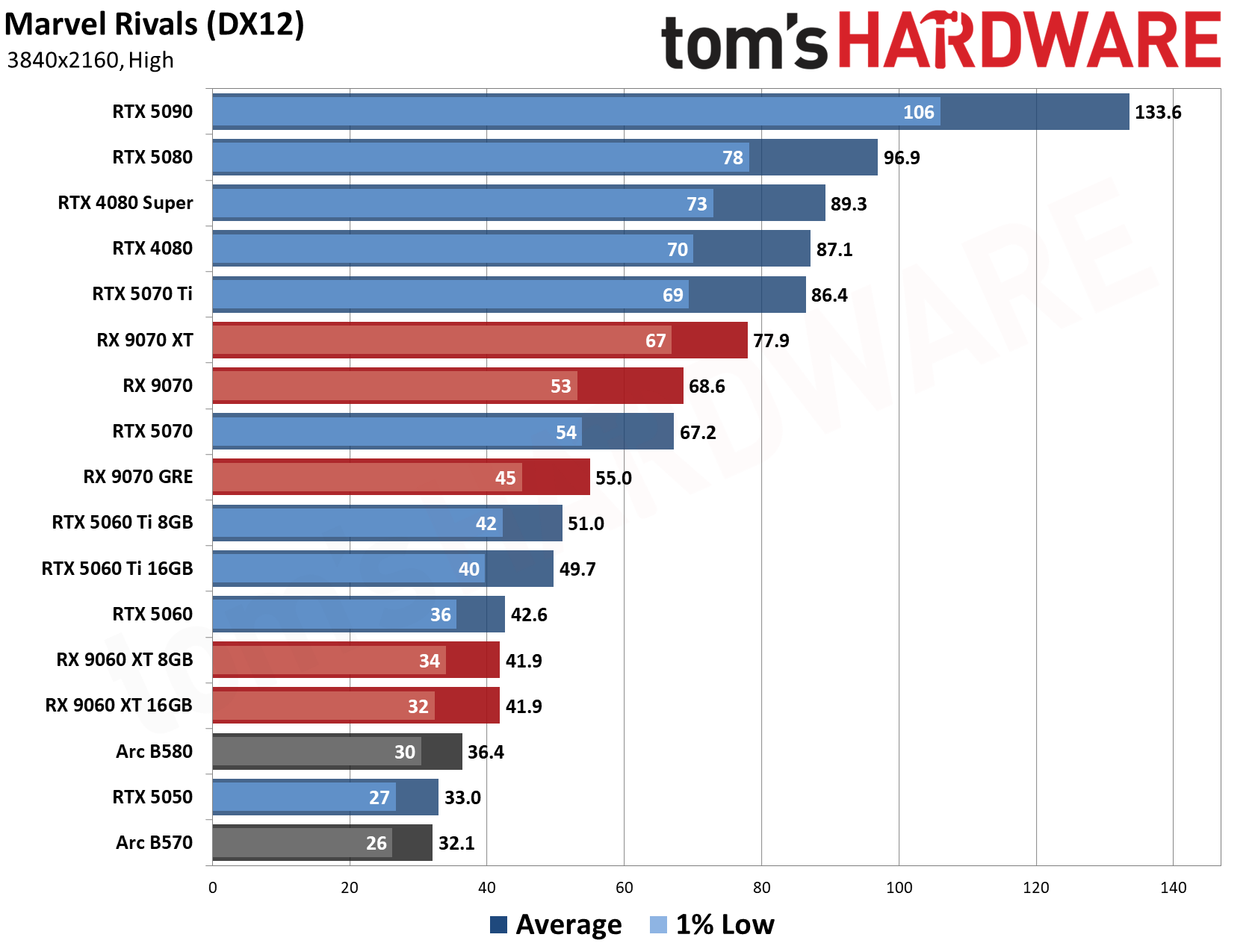
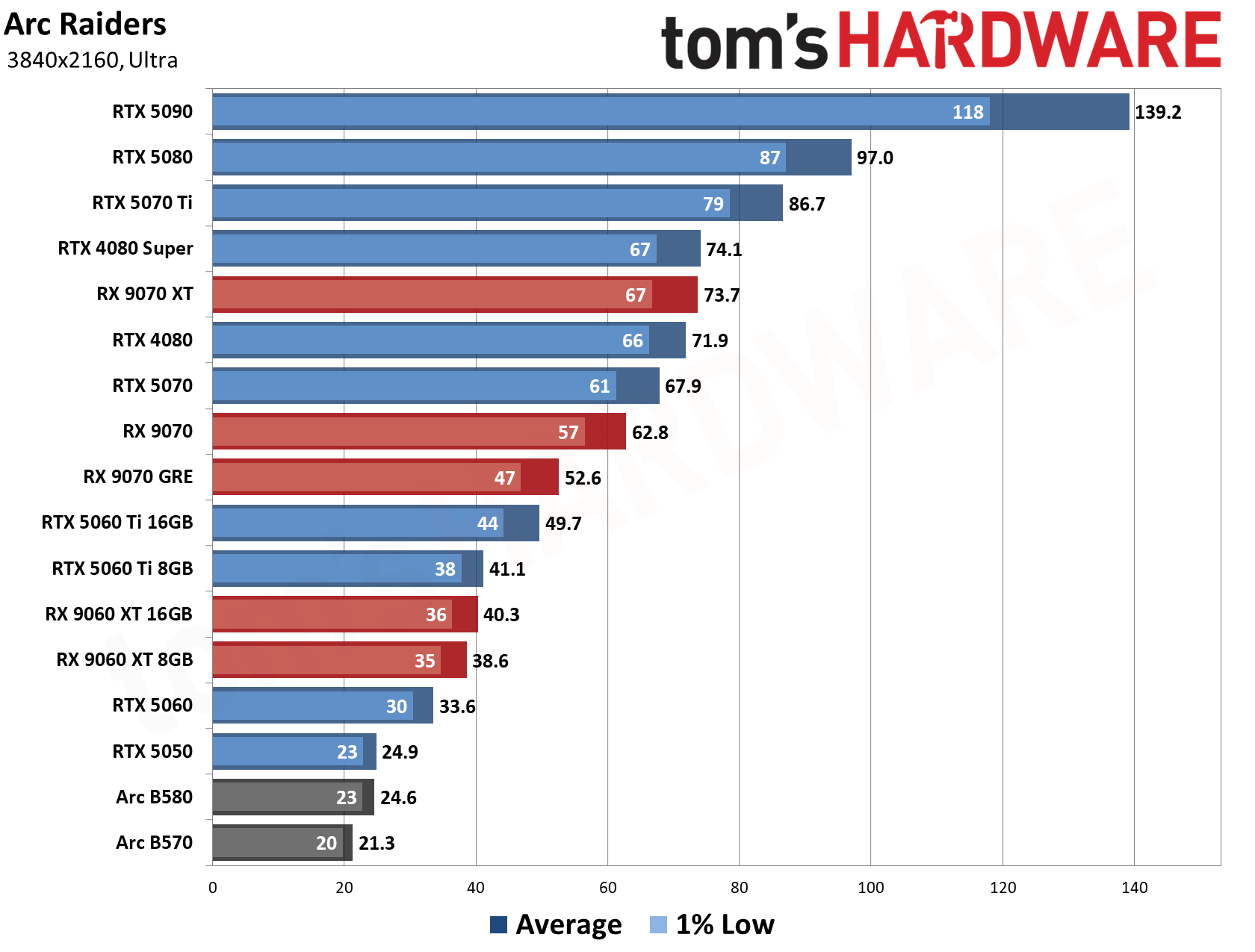
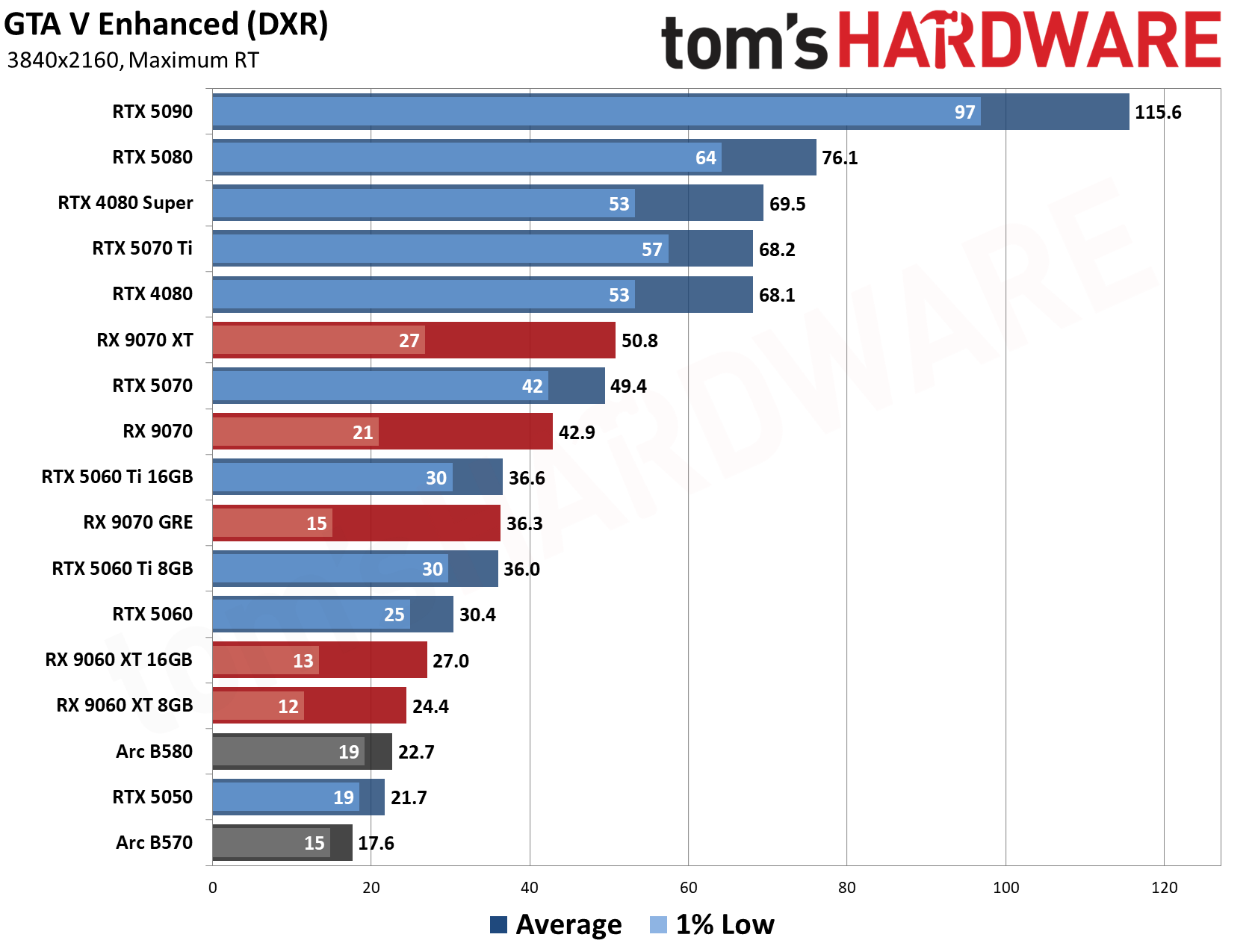
In our 2026 GPU Hierarchy testing at 4K, the RTX 5090 comes out on top, no matter what you throw at it. Whether you're trying to push raster or RT performance to the max, this card can do it all, without question.

GPU Benchmarks Hierarchy 2026 - 4K Performance Results
Future
GPU Benchmarks Hierarchy 2026 - 4K Performance Results
Future
GPU Benchmarks Hierarchy 2026 - 4K Performance Results
Future
GPU Benchmarks Hierarchy 2026 - 4K Performance Results
Future
GPU Benchmarks Hierarchy 2026 - 4K Performance Results
Future
GPU Benchmarks Hierarchy 2026 - 4K Performance Results
Future
GPU Benchmarks Hierarchy 2026 - 4K Performance Results
Future
GPU Benchmarks Hierarchy 2026 - 4K Performance Results
Future
GPU Benchmarks Hierarchy 2026 - 4K Performance Results
Future
GPU Benchmarks Hierarchy 2026 - 4K Performance Results
Future
GPU Benchmarks Hierarchy 2026 - 4K Performance Results
Future
GPU Benchmarks Hierarchy 2026 - 4K Performance Results
Future
GPU Benchmarks Hierarchy 2026 - 4K Performance Results
Future
GPU Benchmarks Hierarchy 2026 - 4K Performance Results
Future
GPU Benchmarks Hierarchy 2026 - 4K Performance Results
Future
GPU Benchmarks Hierarchy 2026 - 4K Performance Results
Future
GPU Benchmarks Hierarchy 2026 - 4K Performance Results
Future
GPU Benchmarks Hierarchy 2026 - 4K Performance Results
Future
GPU Benchmarks Hierarchy 2026 - 4K Performance Results
Future
GPU Benchmarks Hierarchy 2026 - 4K Performance Results
Future
GPU Benchmarks Hierarchy 2026 - 4K Performance Results
Future
GPU Benchmarks Hierarchy 2026 - 4K Performance Results
Future

If you're contemplating an RTX 5090 upgrade, be sure that your power supply is up to the task and that you're using a quality 12V-2x6 cable with it to minimize the chances of a costly meltdown. Be sure to consider an upgrade to one of our best picks for a 4K gaming monitor, too, as this card really is wasted on any other resolution.

The current AI boom means graphics card prices only seem set to rise for the foreseeable future, so even at this elevated price versus its MSRP, this MSI RTX 5090 is a rare opportunity to get the very best gaming GPU at a relatively attainable price. If you've been waiting, now is the time to jump.

  •  

New RTX 5070 Autumn Limited Edition gaming GPU doubles as an air freshener with built-in 'e-sports aromatherapy'

AX Gaming has revealed its latest seasonal anime-themed limited-edition graphics card, which, this time, is designed to please your nose as much as your eyes. The Inno3D subsidiary has released similarly styled GPUs before, but new for Autumn / Fall is the “innovative e-sports aromatherapy” component in its GeForce RTX 5070 12G Autumn Limited Edition (machine translation).

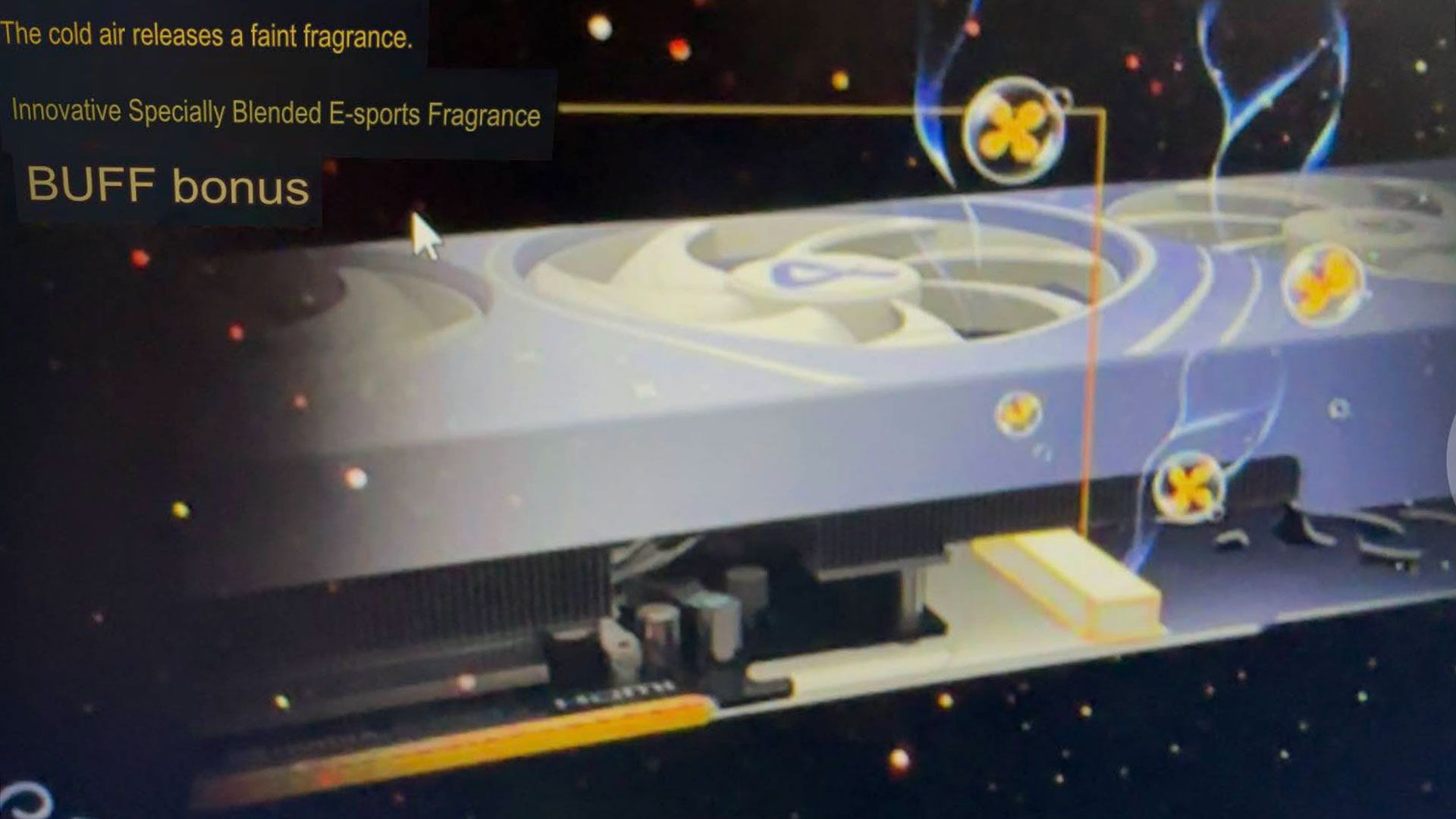
Smellivision is included as part of this limited edition. The graphics card maker says this product delivers a form of aromatherapy. You will be able to smell the “autumn-like” aroma even from a cold start, it says. There is no information about aroma oil refills. It would be good to see the fragrance module to see how this subsystem works.

AX Gaming RTX 5070 Autumn Limited Edition

Screenshot + Google Translate (Image credit: AX Gaming )

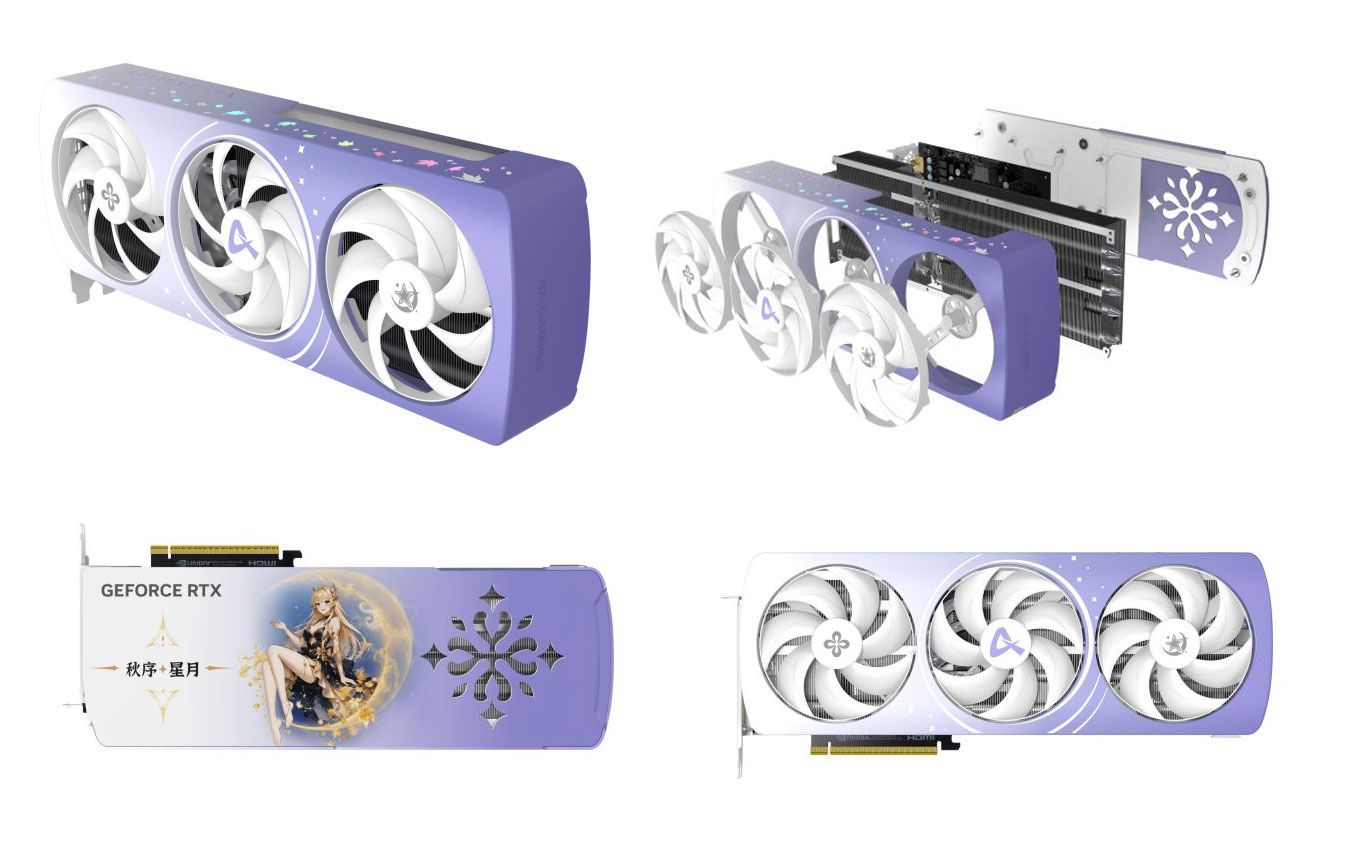
The anime character you see in the main picture, and who stars on the metal backplate, is called ‘Snow Li.’ She sits with the GeForce RTX logo to one side, with an Autumn / Starry Moon motif beneath it. To the right is an ornate venting pattern for the third fan to push air through the cooling fins.

AX Gaming’s substantial triple-fan card features a white-purple gradient wrapping around. “The fan blades are printed with exclusive logos such as Osmanthus, AX, and Star and Moon, making it lively and exquisite,” the maker romanticizes. “The edges of the chassis are decorated with colorful maple leaves and tiny star patterns, like starlight falling on a maple forest on an autumn night.” We also note this isn’t just a vinyl wrap. AX Gaming highlights that the design mixes “UV printing and multi-surface engraving techniques.” Even the fan blades have some logos.

This seasonal graphics card release has ARGB maple leaf lighting, and its “flower-shaped ventilation holes are inlaid with LEDs and support synchronized lighting effects.” Also, perhaps difficult to believe, AX Gaming says that the light and shadows thrown by the powered-up graphics card “creating a full-on autumn night starry night atmosphere.”

AX Gaming RTX 5070 Autumn Limited Edition

(Image credit: AX Gaming )

Beyond the visuals and fragrance, this is an ordinary but decent-sounding RTX 5070. You’ll still get your 6,144 CUDA cores, 12GB of GDDR7, and agreeable AAA gaming performance with access to GeForce features. Some non-cosmetic design choices that are welcome include the dual-layer metal magnetic backplate, five 8mm ultra-thick composite heat pipes, and the hidden power cabling.

In its press release, AX Gaming says the "Autumn Stars and Moon, Maple Leaves in Full Bloom" themed card is a strictly limited (quantity/time) release. That’s bound to make it even more expensive than a regular RTX 5070, if you can order/reserve one.

  •  

PlayStation 3 emulation devs work around an Nvidia bug for up to 37% faster performance

The developers of the open-source PlayStation 3 emulator RPCS3 are celebrating finding a workaround for an Nvidia driver bug. The social media celebration stems from their testing showing that some PC configurations with Nvidia GPUs can enjoy up to 37% faster gaming performance. That’s more than a small wrinkle that’s been ironed out.

More RPCS3 performance on NVIDIA GPUs!Yahfz found a workaround for an @NVIDIA driver bug that was bottlenecking performance.In this boat test scenario:13900K + RTX 3080: +20% FPS9800X3D + RTX 5090: +25% FPSAMD GPU drivers do not have this bug, thus seeing no change. pic.twitter.com/BRad9AyesfSeptember 16, 2026

We don’t know the exact nature of the Nvidia driver bug here, but the RPCS3 devs say that it bottlenecks the performance of their PS3 emulator. The first example cited provides two PC configurations running Red Dead Redemption in a scene featuring a paddle steamer. This is a popular ‘benchmarking’ scene focused on the Blackwater docks in the game, featuring relatively consistent camera paths and water effects.

RDR boat test

Configuration

Performance uplift

System 1

13900K + RTX 3080

20% FPS

System 2

9800X3D + RTX 5090

25% FPS

Those are very gratifying performance uplifts resulting from a driver bug workaround. Plenty of readers are probably more interested if the purported bug might also be bottlenecking native PC gaming performance. If it were, that would be a hugely significant find/workaround from the RPCS3 team, specifically ‘Yahfz.’ Please note that “AMD GPU drivers do not have this bug, thus seeing no change,” say the emulator developers.

Gran Turismo 5 ran 37% faster, used far less VRAM

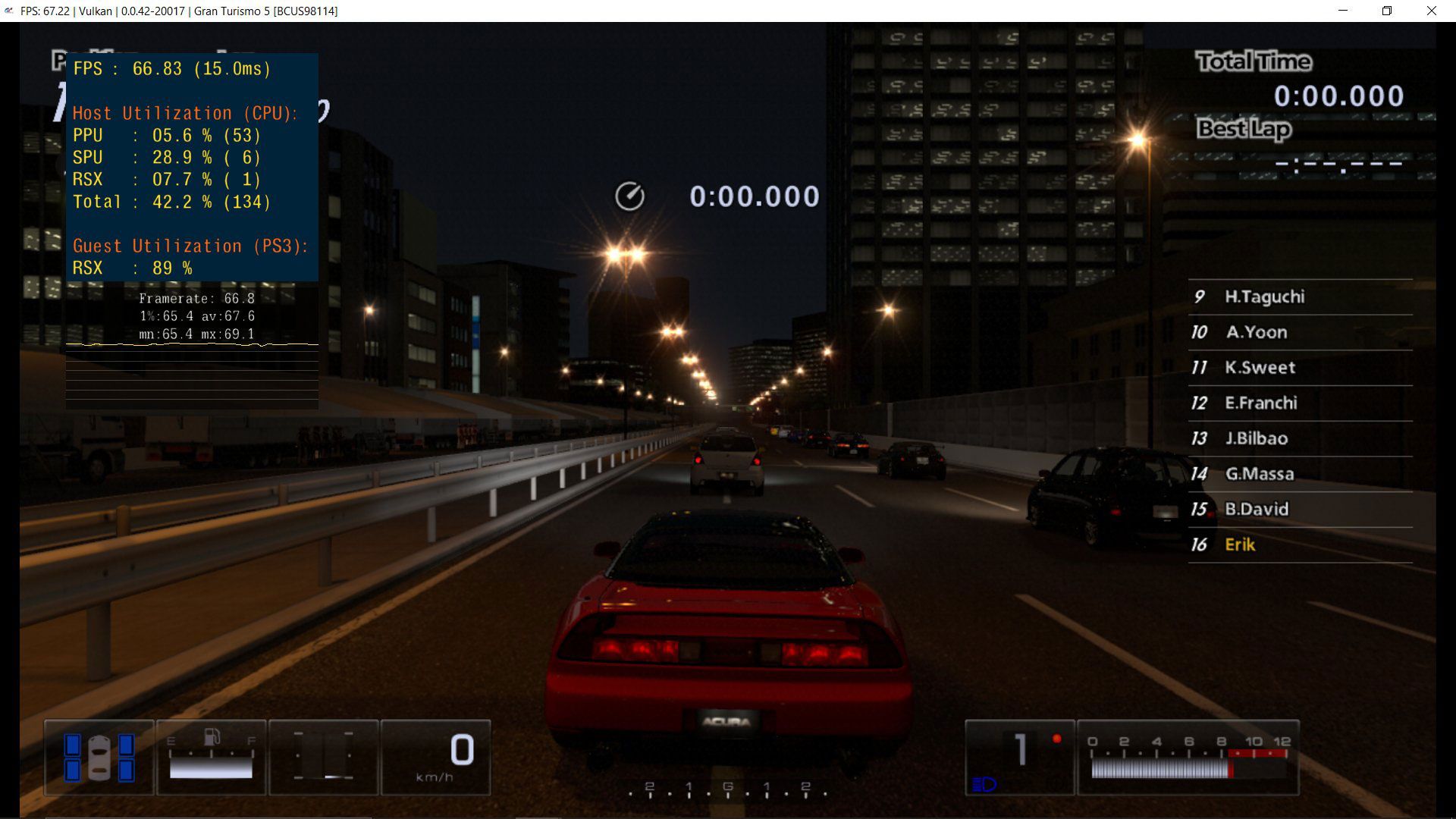
Follow-up social media postings underline that RDR isn’t an outlier, and “most games are impacted” by the bottleneck in the Nvidia driver. Great frame rate improvements can also be seen when using lower-end GPUs, too. The open sourcerers tested Gran Turismo 5 and saw frame rates climb by an incredible 37%, while VRAM usage dropped from 7.1 to 4.8GB. Meanwhile, playing Saints Row IV on a more mainstream GTX 1060 saw a 20% improvement in performance.

Sadly, RPCS3 dev reach-outs to Nvidia are falling on deaf ears. Another follow-up tweet states that “We tried using the developer forums in the past to no avail and gave up.” It then asks @Nvidia to establish a direct communication channel to receive driver bug reports. Nvidia Software QA boss Manuel Guzman has now replied directly, so we will see what happens in due course.

  •  

Nvidia's next-gen RTX 60 GPUs might not be released until 2028, prominent leaker claims

Hardware leaker Kopite7Kimi, who has an exceptional track record, posted on X that Nvidia's RTX 60 series GPUs, based on the Rubin architecture, might not be released until at least 2028. The leaker previously believed that we might see a new generation of graphics cards in late 2027, but now says: "Unfortunately, GR20x is a product from 2028. That means they have postponed again." We reached out to Nvidia regarding the post, and a company spokesperson stated that they "don't comment on rumors or unannounced products."

While Nvidia issued its standard boilerplate response, Kopite7Kimi has a historically near-spotless record when it comes to speaking about Nvidia hardware leaks, and it seems that this time, consumers may have to wait a little longer. Both the Ada Lovelace and Blackwell architectures in RTX 40 and RTX 50 series GPUs share the same TSMC 4N process node, so if the leaker's words are to be believed, it will take Nvidia a total of six years to move its consumer GPUs to the more advanced TSMC 3N or 3NP node that its Rubin accelerators currently utilize.

I hope Jensen can see everyone's passion and launch new products for gaming as soon as possible. Unfortunately, GR20x is a product from 2028. That means they have postponed again. 🙃🙃🙃I will try to minimize updates until there is definite news. (Lessons learned)September 21, 2026

Now, the potential reasons behind the delay could be twofold: The first is the numerous reports we've heard about a potential RTX 50 Super series Blackwell refresh being sidelined, despite reportedly being ready. The claimed reason behind the delay or potential cancellation of the rumored RTX 50 Super series is the use of denser 3GB GDDR7 VRAM chips, which just so happen to have appeared in Nvidia's recently released RTX Pro 5500 and share many similarities with the RTX 5090.

So, it's quite possible that the delays in delivering a GeForce product based on the Rubin architecture, which has already begun shipping as "the fastest ramp in company history," is down to careful allocation of resources on Nvidia's part, as the company expects to make $20 billion from Vera Rubin in Q3 2027.

Secondly, Nvidia can only acquire so many resources to supply its products, which demand vast amounts of memory, and has also locked in a certain amount of wafer supply from TSMC. So, it's highly probable that Nvidia is focusing on enterprise and workstation products ahead of a consumer launch, especially as component costs remain eye-wateringly high. Nvidia's highly profitable data center arm is currently experiencing soaring demand from the ongoing AI buildout, meaning there's less onus to deliver a potentially less profitable consumer GPU, while there's still cash to be made from hyperscalers.

It's not unusual to see enterprise products use more advanced nodes before arriving in consumer products, but this time around, at least according to Kopite7Kimi, the Blackwell product cycle is poised to be unusually long. This is particularly bad news for consumers, as the RTX 5090 is experiencing a pricing squeeze, which is seeing costs soaring all the way above $9,000 — if you're lucky enough to find one listed online.

For now, your best bet is to just hold on to the GPU you currently have until the storm blows over and a new generation of graphics cards is released, unless you're willing to pay the dizzyingly high costs that the market demands right now.

  •  

The PC gaming ray tracing obsession began with the first RTX 20 graphics cards released on this day in 2018

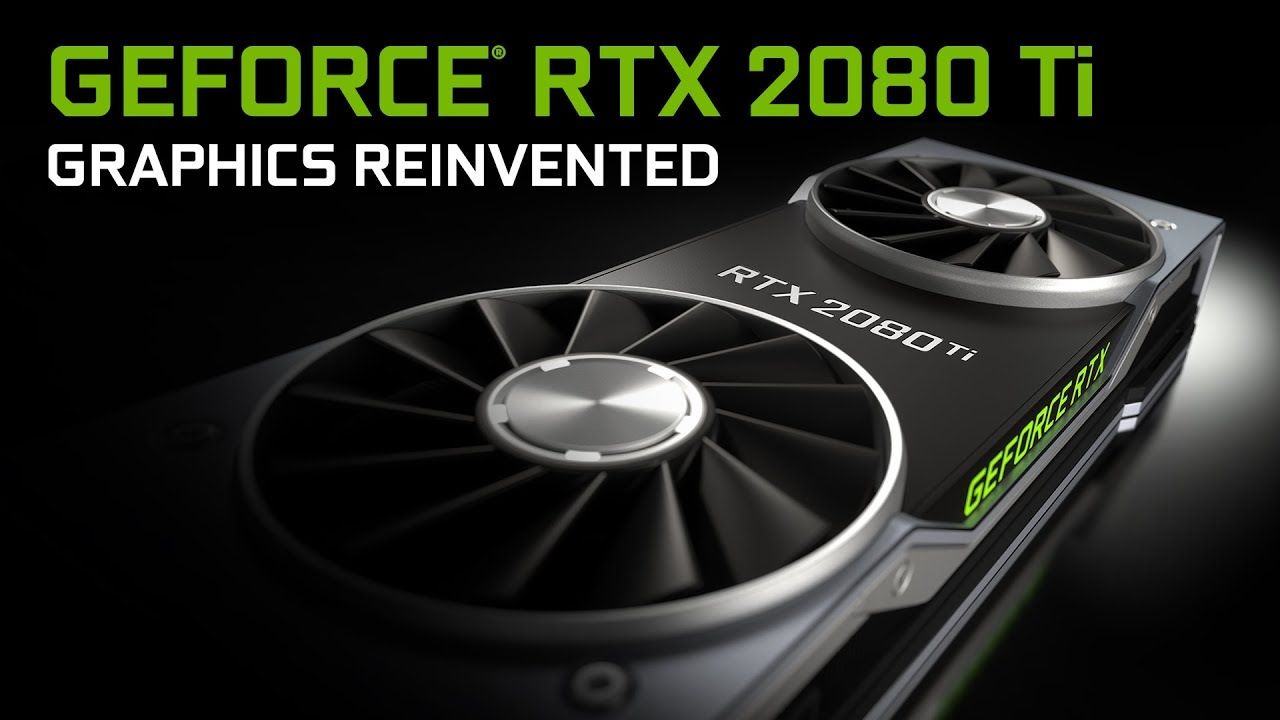
Nvidia’s Turing GPUs became available to enthusiasts for the first time on this day eight years ago. This wasn’t just another accelerated GPU generation, though, at least according to Nvidia. The GeForce 20 series pioneered a “20 years in the making” ability to deliver hybrid graphics enhanced by real-time ray tracing. Nvidia made this new technology available at the high-end first, via the GeForce RTX 2080 and RTX 2080 Ti (review links). The more mainstream RTX 2070 wouldn’t become available until October.

In a blog post a month ahead of the release day, Nvidia CEO Jensen Huang didn't hold back in heralding the arrival of Turning for PC gaming graphics. “Turing opens up a new golden age of gaming, with realism only possible with ray tracing, which most people thought was still a decade away.” He went on to claim that “Once you see an RTX game, you can’t go back.”

Despite Huang’s boasts we can look back and confidently say that many gamers still don’t care about ray tracing. Nor do they wish to endure the performance impact even the latest generation mainstream graphics cards from Nvidia (and AMD, and Intel) still suffer from when this feature is turned on. Moreover, at the time of launch back in 2018, and for quite a few months onwards, there was little in the way of content that made the new RTX 20 series' distinguishing feature seem worthwhile. Early in-game showcases that garnered a lot of pixel peeping and chin rubbing included Battlefield V, Metro Exodus, and Shadow of the Tomb Raider.

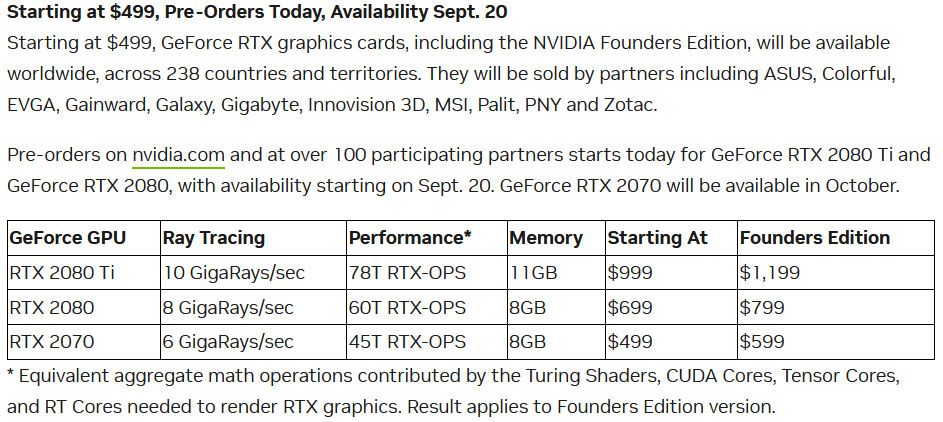
Our review of the RTX 2080 Founders Edition noted that this new second-fastest Turing architecture card managed to outpace the legendary GTX 1080 Ti. However, we grumbled about it being $100 more expensive than the former flagship. During this era, Nvidia Founders Editions were actually more expensive than the base models from AIBs. Thus the RTX 2080 FE had an MSRP of $799, but you might have been able to pick up an Asus, Colorful, EVGA, Gainward, Galaxy, Gigabyte, Inno3D, MSI, Palit, PNY, or Zotac for $699.

Turing launch pricing

(Image credit: Nvidia)

Our review of the GeForce RTX 2080 Ti flagship was more positive, despite the conclusion that the “$1200 price tag is out of reach for most gamers.” The 71% uplift in price wasn’t really worth it for the ~26% faster performance vs the GTX 1080 Ti. It was also about 20% faster in gaming than the pro Titan V, though.

Our review of the RTX 2080 Ti was 14 pages long, but here’s a direct link to some gaming benchmarks featuring the likes of Tom Clancy’s Ghost Recon, The Witcher 3, and World of Warcraft: Battle for Azeroth. During gaming, this new consumer flagship would typically consume about 280W.

Eight years later, we can say that realtime ray tracing has indeed proved popular. Even consoles and mobile games now use and boast of this visual tech, and probably couldn’t ignore it without getting sidelined. But adoption has been slow, and it has taken yet more layers of technology, such as DLSS for the green team, to make ray tracing at all accessible for budget / mainstream gamers, even in 2026.

Do you still rock a Turing GPU in 2026? If you do, or are just curious about how well an 8-year-old card would do in 2026, I'm sorry to say that Turing has slipped off the end of our famous graphics card hierarchy. However, the following generation RTX 3070 at $499 offered very similar performance to the prior-gen $1,199 flagship. Those were the days (except that the cryptomining craze happened).

  •  

Modder gets Nvidia's DLSS 5 working in a web browser using WebGPU — 147MB browser port runs on non-Nvidia GPUs and macOS but takes two seconds per render

A modder by the name of MAAN has reportedly gotten Nvidia DLSS 5 working in a browser window with an interactive demo, according to a report by VideoCardz. The developer said the technique also works on macOS. The demo is hosted on Cloudflare Workers with some default scenes, starting with "Cowboy Gramps," with a variety of adjustable settings and a comparison view.

DLSS 5 running in the browser with #webgpu And yes it works on MacOS too. Try the the live demo here https://t.co/frqdwHzeDv You can also try it with your own models #WebDev #AI #threejsSeptember 16, 2026

DLSS 5 is Nvidia's neural rendering feature used to improve graphical quality using AI. Nvidia launched it earlier this month for NBA 2K27, the first game with official support for the technology. DLSS 5 is officially RTX 50-series only, aside from GeForce NOW. The DLSS 5 DLL file has since been pushed onto RTX 40- and RTX 30-series, and even AMD hardware. There is also a mod to unlock it for RTX 20-series hardware.

NBA 2K27 gameplay

(Image credit: 2K)

According to MAAN, the demo uses model weights extracted from a leaked DLSS 5 library file. They did not know whether this file differs from the official one. Normally, Nvidia offers DLSS through its NGX interface or the Streamline SDK on DirectX and Vulkan. The documentation does not list WebGL or WebGPU, the outlet noted. MAAN plans to publish the source code on GitHub this weekend.

In our quick test of the demo on an RTX 40-series desktop, the 3D viewer was smooth to rotate, but each DLSS 5 render took a second or two and was notably slow in live mode.

MAAN said that the demo is DLSS 5's neural network reimplemented using WebGPU compute shaders. The weights are around 147MB, with a JavaScript runtime of around 1MB compressed. WebGPU has no trouble running on macOS, so the only surprise here is the DLSS part. Normally this needs an RTX GPU and Nvidia's driver, but a WebGPU implementation would not inherently require Nvidia hardware.

The outlet suggested the approach could suit architecture, 3D model previews, and other work where real-time speed matters less. MAAN's X post said users "can try it with your own models" and the demo's page accepts common 3D formats by file or drag-and-drop. Due to the technology's current restrictions, a browser demo is a way for more people to see the effect on a model without owning the game or appropriate hardware. Nvidia has said official RTX 40-series support is coming.

  •