❌

Lese-Ansicht

PS3 emulator devs warn of fake Blu-ray drives on Newegg and AliExpress

The developers of the Sony PlayStation 3 emulator RPCS3 have warned their social media followers about “a recent influx of fake Blu-ray drives.” According to the emulator devs, scammers are putting inferior optical disc mechanisms in higher-end Blu-ray drives for extra profit. Such skuillduggery could directly affect potential RPCS3 users, looking to ensure any Blu-ray drive they buy is compatible with the emulator.

⚠️ BEWARE OF FAKE BLU-RAY DRIVES! ⚠️There has been a recent influx of fake Blu-ray drives. These fakes use older drives that cannot read PS3 discs, with enclosures and packaging for higher-end models, plus spoofed firmware.Learn how to spot fakes:https://t.co/IoIlSPWRc1September 30, 2026

“BEWARE OF FAKE BLU-RAY DRIVES!” warn the RPCS3 devs. “There has been a recent influx of fake Blu-ray drives. These fakes use older drives that cannot read PS3 discs, with enclosures and packaging for higher-end models, plus spoofed firmware.” The team also helpfully links to a wiki with images and details to help you know if you acquired a “fake drive.”

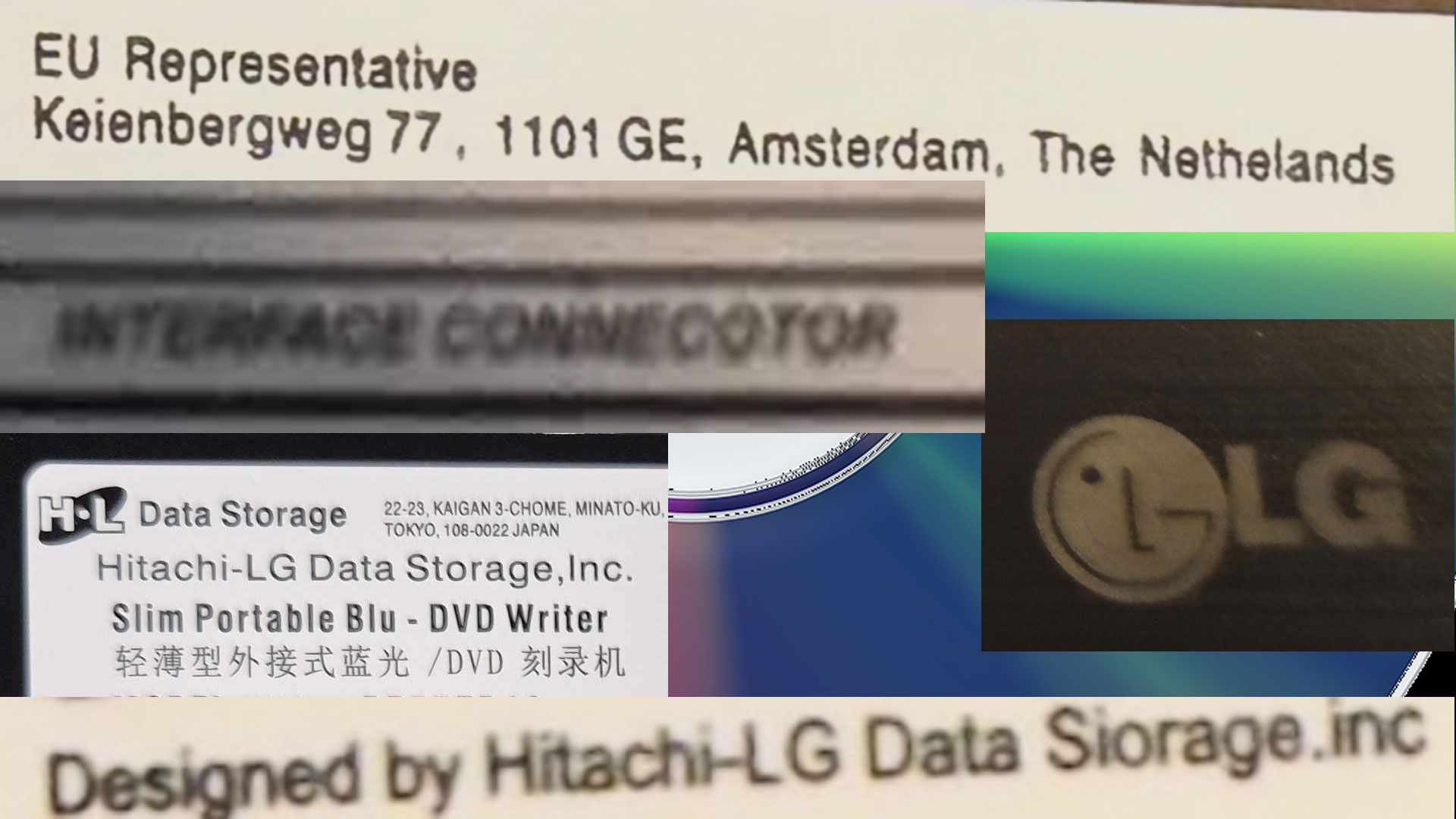
Telltale signs that you have a fake Blu-ray can include misspelled words on the drive label, misaligned logos, incorrect manufacturing dates, and the covering of certain PCB markings. We guess that another symptom that RPCS3 users might notice is that their supposedly compatible Blu-ray drive won’t work properly with the emulator.
Blu-ray fake gallery

Example details seen on fake drive hardware. Spot the mistakes. (Image credit: wiki redump info)

Blu-ray drought

In 2026, after 20 years of commercial availability, the hardware options for living room Blu-ray players and PC drives are narrowing due to the withdrawal of several big brands from these markets. Media makers are dwindling, too. Meanwhile, interest in the highest-capacity consumer optical standard for media playback and backups is rising. The price of HDDs and SSDs in 2026 has also resulted in increased numbers of computer enthusiasts looking at Blu-ray storage.

So, what should those on the lookout for a Blu-ray drive do? According to the RPCS3 experts the best way to keep out of the reach of scammers is to only order from stores with good buyer protection. The above-linked Wiki warns specifically against buying your next Blu-ray drive from Newegg or AliExpress marketplaces. Unfortunately, we’ve now got another piece of tech to add to the beware-of-scams list.
  •  

Demon's Souls reaches 40-50 FPS on private PS5 emulator with accurate graphics

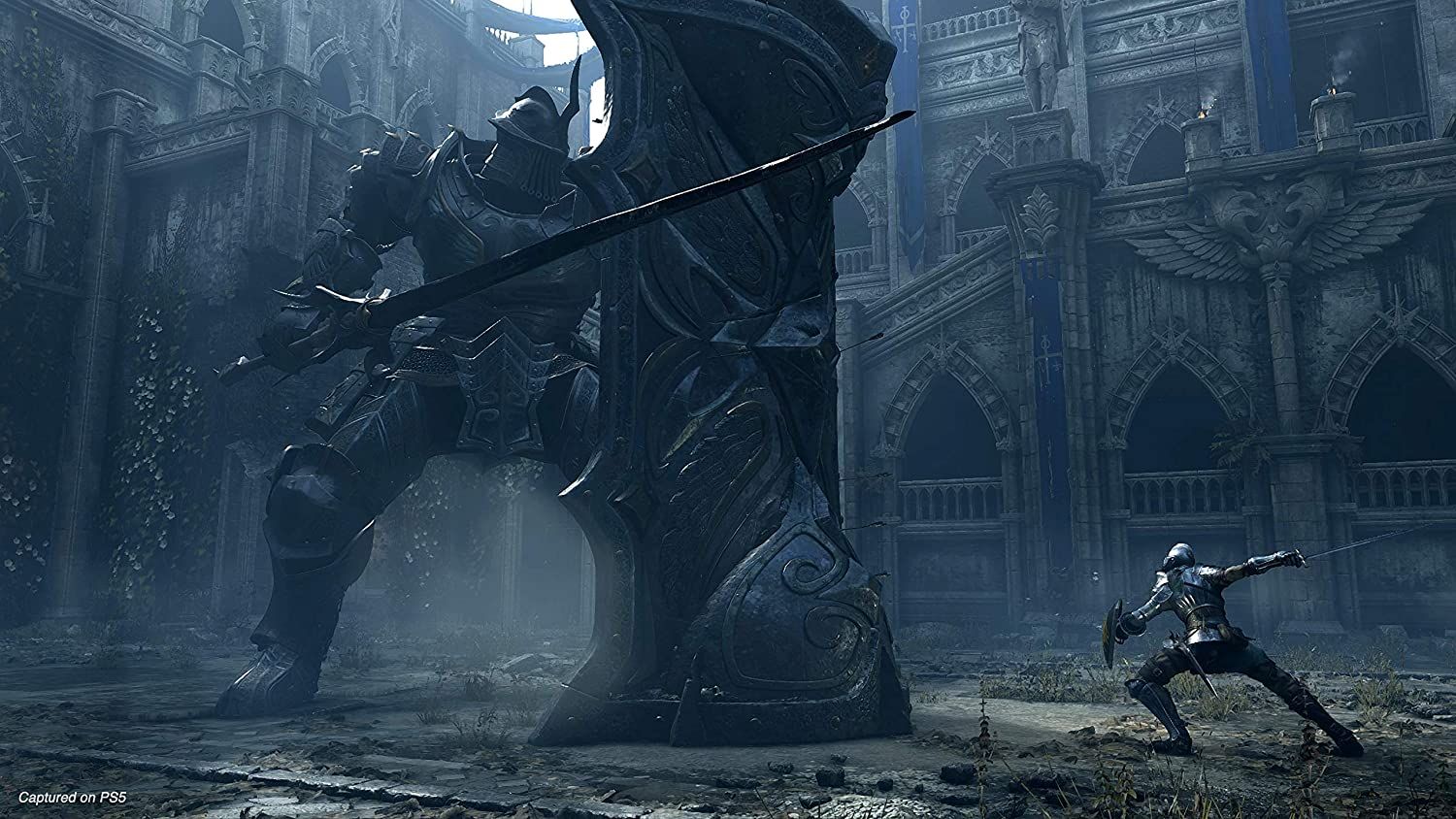
Few projects in the software world have experienced such rapid evolution as PlayStation 5 emulation. A few hours ago, a video popped up of Demon's Souls Remake running at 40-50 FPS, seemingly with accurate graphics. Coincidentally or not, only scant months after Sony ditched physical releases of games — an announcement that landed as well as the Hindenburg — progress on KyTyPS5, SharpEmu, and AnyPS5 has gone into overdrive.

The video above is short and only shows a few sections of the game, but it's an impressive watch. Even acknowledging that the hardware specs displayed comprise an RTX 5090 and a Core i9-14900K, having a game working this well, at least graphically, only a month after "barely works" was a landmark is nothing short of staggering.

To wit, KyTyPS5 was running Demon's Souls Remake with 1-2 FPS on actual gameplay three weeks ago, and struggling to reach 30 FPS a fortnight past. The same emulator has been shown partially running GTA V before at 40-60 FPS, but that's an older title that presumably isn't as demanding as Demon's Souls.

The fact that the PlayStation 5's architecture is so similar to a standard PC apart from unified memory is a big reason why progress has been so speedy. As it stands, the major roadblocks aren't emulating a CPU or a GPU, but rather writing compatibility layers for the console's operating system and drivers, including but not limited to converting native graphics shaders to Vulkan's SPIR-V language.

Given the demo video's lack of stuttering, it's a reasonable assumption that the captured video was done after an initial run to avoid shader recompilation hitches. This particular aspect of emulation has always been a constant thorn in developers' side, as it's exceedingly difficult to predict which shaders a game will need before they're actually used.

The current best approach is to asynchronously compile and collect shaders from gamers' playthroughs and build a community database for preloading. This concept was popularized by RPCS3 around 2018, with a small team and limited to no budget.

Although Nvidia and AMD drivers have cached shaders in limited fashion for a long while, RPCS3's effort appeared seven years before Nvidia and Microsoft, with their gigantic piles of money, bothered to try and fix this issue properly with their Auto Shader Compilation and Advanced Shader Delivery, respectively.

  •  

Minecraft Legacy gets rewritten in C++ for PS2 and Wii ports — code is tuned so it works well even on the PS2’s meager 32MB of RAM

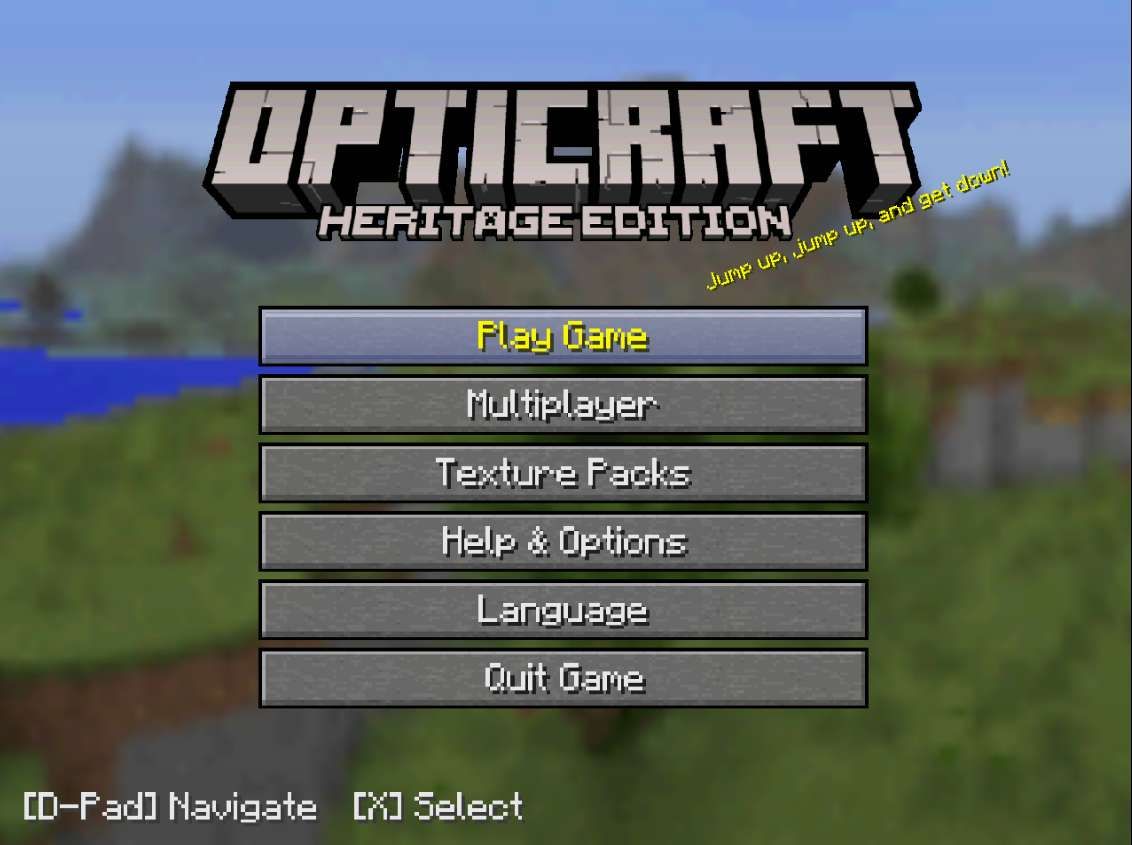
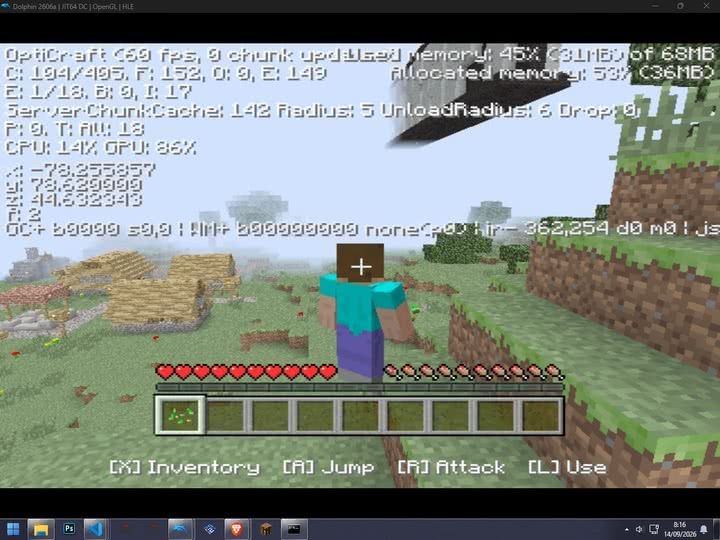
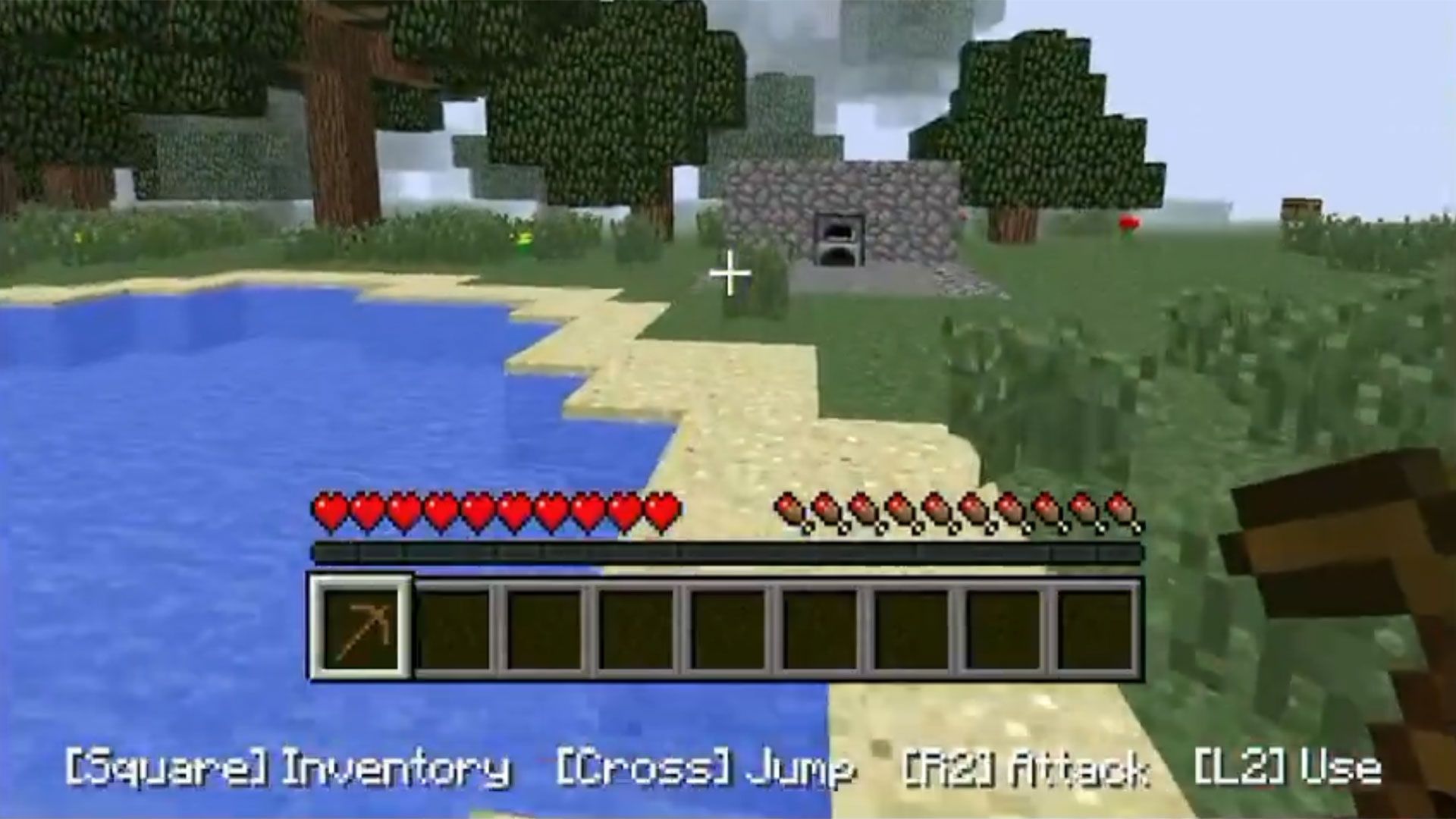
Games optimization specialist OptiProjects (AKA OptiJeugos) has released a new port of Minecraft Legacy for the Sony PlayStation 2 and Nintendo Wii consoles. The project is based on the Minecraft Java 1.2.5 source code, rewritten in C++, and using a recreated legacy console interface (machine translation). Even on the quarter-century-old PS2 with its cramped 32MB of RAM, the OptiCraft Heritage Edition runs at 15-30 fps. Check out the video demo embedded below.

TERMINADO!!! FINALMENTE NUEVO PORT DE ""MINECRAFT LEGACY"" a PS2 y WII!!Es un PORT de JAVA 1.2.5 a C++ con la interfaz de Legacy recreada, corriendo nativamente en la PS2 y Wii.Probado en hardware real! La wii soporta online con servidores de JAVA en esa version! https://t.co/x3pQw8XvBJ pic.twitter.com/nZNc0QehGySeptember 14, 2026

Minecraft is one of the best-selling games of all time, with sales above $400 million according to an Entertainment Weekly report earlier this year. Meanwhile, the PS2 is the best-selling home console in history, with 160 million units shifted worldwide. When Minecraft first launched, the PS2 had already been kicking around for close to a decade and was rapidly reaching retirement age. Thus the Minecraft PS2 game release was never a thing (it did launch on PS3 in 2013-14). Similarly, the Wii got overlooked by Minecraft's publishers, with the Wii U only getting the game in late 2014.

Windows PC (Java Edition 1.2.5)

PS2 (OptiCraft Heritage)

Wii (OptiCraft Heritage)

Engine / Language

Java

C++ (native port)

C++ (native port)

Hardware / RAM

Min. ~2GB recommended for era

32MB system RAM

~88MB available RAM

Chunks / draw distance

Scalable, (usually 8–16+ chunks)

2 chunks

4 chunks

Performance

Often 60+ FPS on period PCs

15–30 FPS

15–60 FPS

Controls

Keyboard + mouse

DualShock 2

Wii Remote / Classic Controller

Interface

Original 1.2.5 UI

Recreated Legacy interface

Recreated Legacy interface

Ponder over the features and performance comparison table we have nailed together, above. You can see how tightly the PS2 version is constrained by its hardware limitations. In comparison the Wii version is significantly more comfortable. Moreover, the Wii version has experimental online gaming functionality.

Minecraft Legacy for the Sony PlayStation 2 and Nintendo Wii
OptiProjects
Minecraft Legacy for the Sony PlayStation 2 and Nintendo Wii
OptiProjects

If you are interested in enjoying some retro Minecrafting on your old PS2 or Wii, or emulators for either system head on over to the official OptiProjects page linked top for your downloads. Those aiming to play on original hardware will need to be able to load .ELF files from USB (on PS2), or access the game via SD card and the Homebrew Channel (on Wii). To my knowledge that means your PS2 or Wii must be soft or hard modded to play homebrew code.

  •  

Need for Speed Underground 2 now runs directly on Nintendo Switch — other Classic Windows titles playable thanks to custom firmware boot

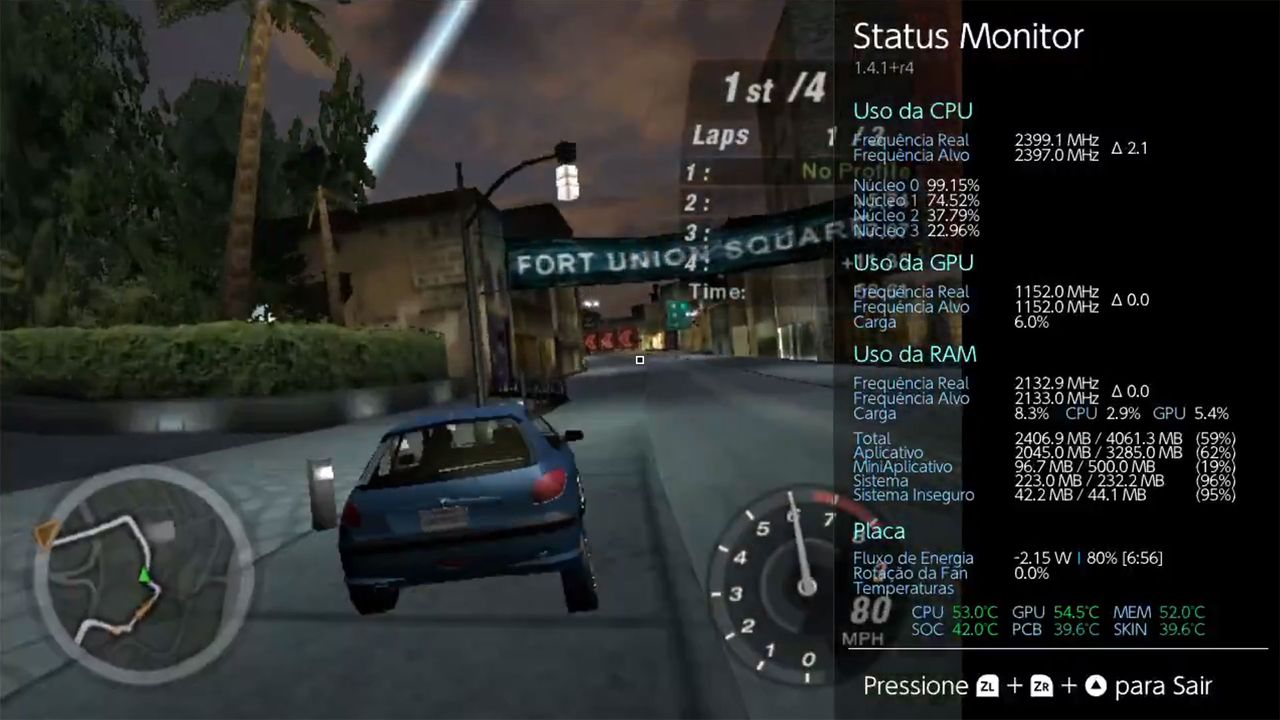
Retro gaming fans who own Nintendo Switch consoles now have several classic Windows titles they can now enjoy. A video shared on Twitter/X shows the well-loved Need for Speed Underground 2 running pretty smoothly on Nintendo’s hybrid device. Meanwhile, a forum about Wine-NX says that Quake III and OpenTTD are also playable, with WarCraft III nearly ready, too. It's early days for this 'experimental' software, but things look very promising.

Windows x86 games are now running directly on Nintendo Switch homebrewNeed for Speed Underground 2 on capture 😀 pic.twitter.com/SD0sugV4DsSeptember 13, 2026

In the embedded video you can see NFSU2 runs rather well on Nintendo’s hardware. Older PC games are perhaps a good fit for what many consider to be the rather anemic specs of the Switch. A status panel shows CPU and GPU usage. According to the forum post “Races run at roughly 20–45 fps at default detail with the CPU overclocked.”

Other games that Wine-NX can handle well at this time include OpenTTD (Transport Tycoon Deluxe), which runs at up to 60 fps. Quake III Arena is also capable of running at around 37 fps at 1,280 x 720 pixels, according to the source. The last PC game mentioned as being compatible, almost, is WarCraft III, and specifically this work in progress has working “menus, campaigns, and now cutscenes.”

The Wine-NX forum page linked to helpfully explains what exactly this is, and how it works. In brief, Wine-NX is a port of Wine 11 to the Switch’s native Horizon OS. It comes as a homebrew package in the NRO format Horizon expects games to be in, but that allows it to run Windows programs and games with Box64's ARM64 dynarec translating the x86 code. Graphics are handled through Mesa 20.1's nouveau driver. It supports audio and touchscreen, and the Switch controllers can also handle mouse / keyboard duties – as well as doubling as an Xbox 360 controller.

You can’t use any Nintendo Switch to load Wine-NX and Windows PC games. You’ll need to have a console that can boost custom firmware, and run homebrew NROs. That means an older unpatched Switch or one with a hardware mod.

  •  

Project Dream Leak: Verschollenes Rare-RPG hinter Banjo-Kazooie geleakt

Project Dream Leak: Ein verschollenes Rare-RPG für das SNES ist aufgetaucht. Der Prototyp zeigt die frühe Entwicklung von Banjo-Kazooie.

Der Artikel Project Dream Leak: Verschollenes Rare-RPG hinter Banjo-Kazooie geleakt erschien zuerst auf TARNKAPPE.INFO

  •  

Hardware-accurate NeoGeo AES+ delayed to late 2027 due to memory shortage — decision driven by surging demand and AI-driven RAM crunch

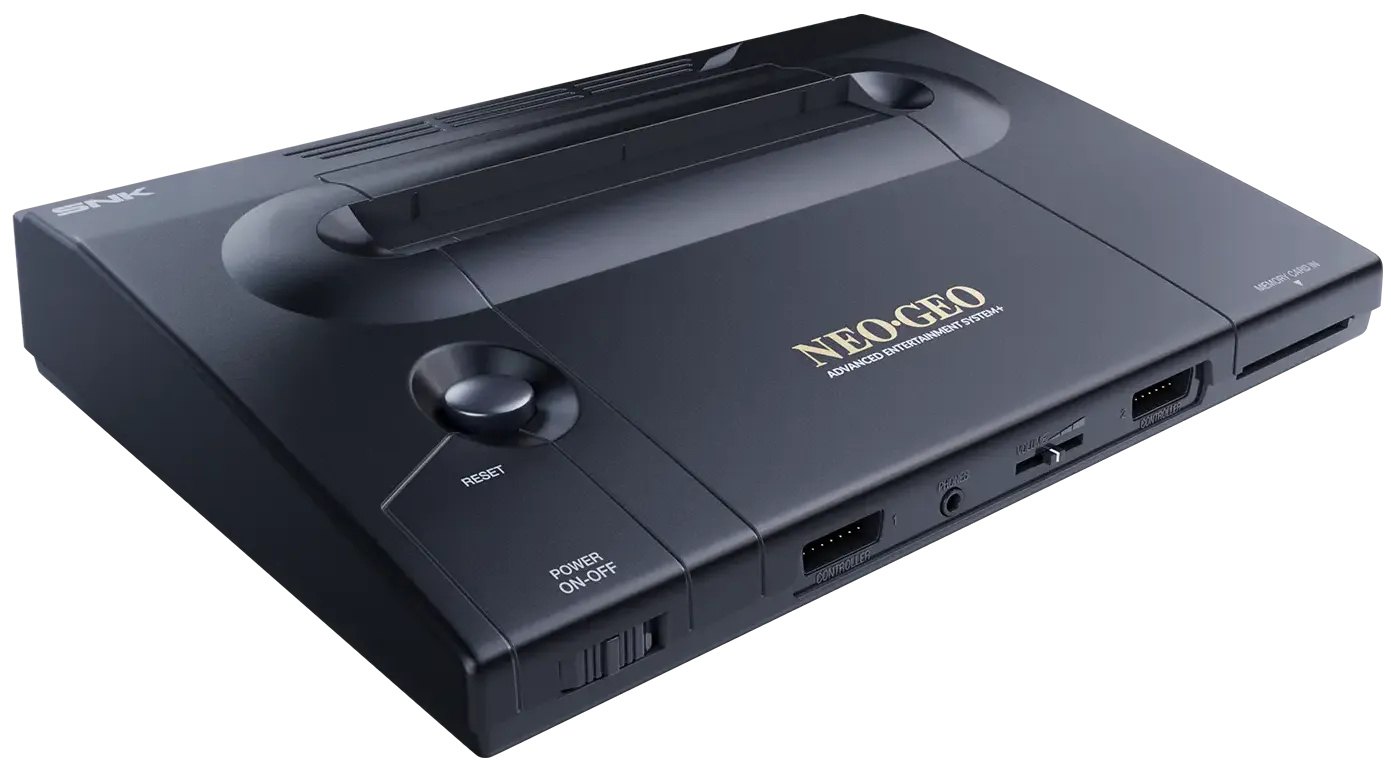
Plaion's release of the NeoGeo AES+, a contemporary, hardware-level 1:1 replica of SNK's evergreen NeoGeo console, is being delayed by 10 months, with a new September 16, 2027 release date. Predictably, Plaion says the main reason is the AI-driven RAM shortage, though it remarks that demand is higher than expected.

Unlike nearly every other modern console re-release, the AES+ is intended to be an exact, 100% compatible replica of the original, by way of physical hardware rather than emulation software. Plaion says it's using dedicated ASIC chips and presumably contemporary clones of processors like the Motorola 68000 and Zilog Z80A.

The team counts long-time MiSTER core developer Jotego among its staff, lending serious pedigree to the project and assuaging concerns about whether the AES+ will perform just like the original. They're even going as far as using 5 V power delivery to be directly compatible with the original cartridges.

NeoGeo AES

(Image credit: Plaion / SNK)

It's expected that every game cartridge from the original NeoGeo AES (Advanced Entertainment System) home console will work on the AES+, and there are modern third-party adapters for using original arcade cartridges. Plaion is re-releasing ten iconic games in cartridge form, including Metal Slug, Garou: Mark of the Wolves, Pulstar, and King of Fighters 2002.

The NeoGeo was the greatest 2D arcade/home system that ever existed (according to me), with production lasting for 14 years from 1990 to 2004. It had a number of "firsts," being the first system that used the same exact hardware for the home version as it did inside an arcade cabinet, with nothing but the form factor, the name (AES vs. MVS), and a defeatable lockout mechanism as a distinction. Arcade operators loved the then-new swappable cartridge system, and there were variants that could hold four games that were switchable on the fly.

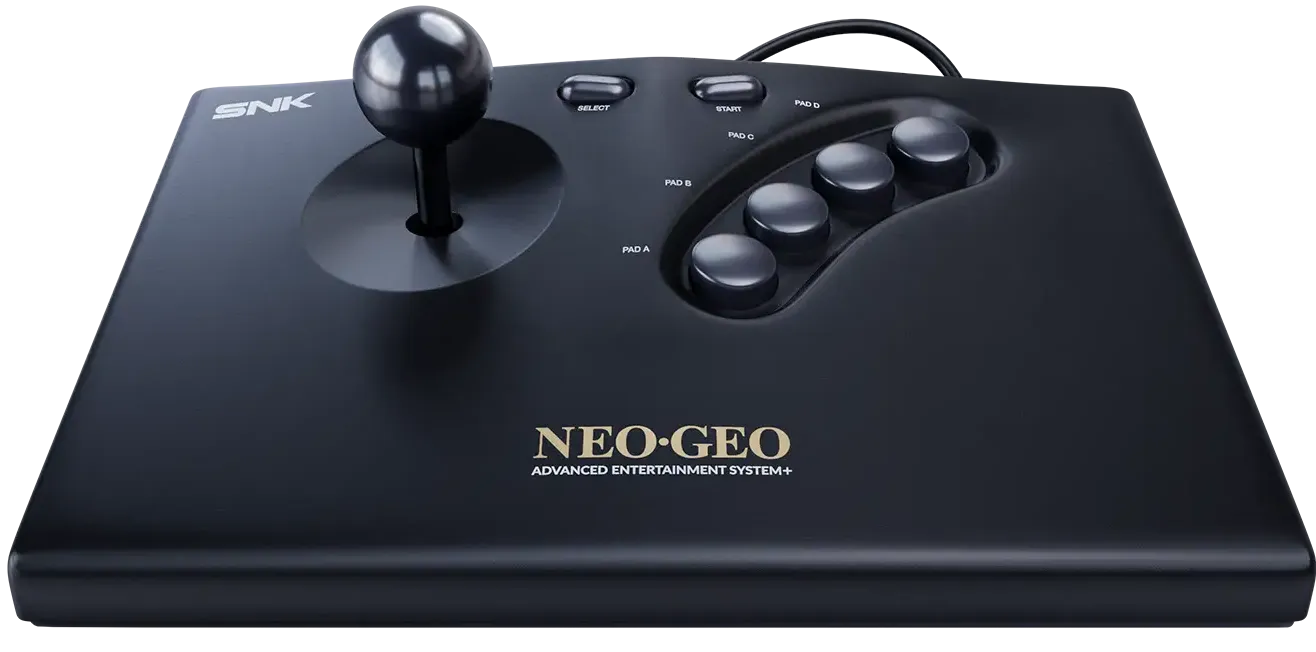
The AES also marked the appearance of memory cards for save games, and that came with a serious arcade joystick, unlike its competitors' gamepads. Every home console release at the time promised "arcade-quality games in your home," but only the Neo Geo actually delivered.

NeoGeo joystick

(Image credit: Plaion / SNK)

Of course, all this goodness had a small problem: the AES cost $399.99, or $1,028 in today's dollars — for just the base system with the one joystick and no games. The Gold package with two sticks, one game, and a memory card would set buyers back a cool $649.99, or $1,671 today.

The technical reasons for the NeoGeo's longevity are quite straightforward: it was ridiculously overpowered from the start. Its architecture covered almost every possible use case and lent itself well to most every type of 2D game. The NeoGeo packed a total of seven processors and co-processors, and a GPU with a 24-bit bus, capable of 3840 simultaneous colors across 380 sprites. The graphics chip also had hardware scaling and used an unconventional but effective vertical-strip sprite mechanism, unlike tile maps of the era.

The expandable storage also played a big part in longevity, with late-day cartridges storing as much as 716 Mb, or 89.5 MB. The only notable omission is the lack of a direct-to-screen drawing mechanism (aka framebuffer), precluding Doom ports — but as always, people are finding a way regardless.

If you're looking to order a NeoGeo AES+, the base model with the console and one stick will set you back $249.99 (or 199.99€), an affordable amount considering a decent joystick can cost $75-100 on its own. The Anniversary Edition comes in a white finish, with Metal Slug, a wireless joystick, and a memory card, for $349.99 (or 299.99€). Finally, the Ultimate Edition comes with all ten re-released games, two joysticks (one wired, one wireless), and a gamepad, for $999.99 (or 899.99€).

  •  

Super Smash Bros Melee gets fully decompiled after over six years of effort — ambitious and technically impressive project delivers GameCube classic as C code

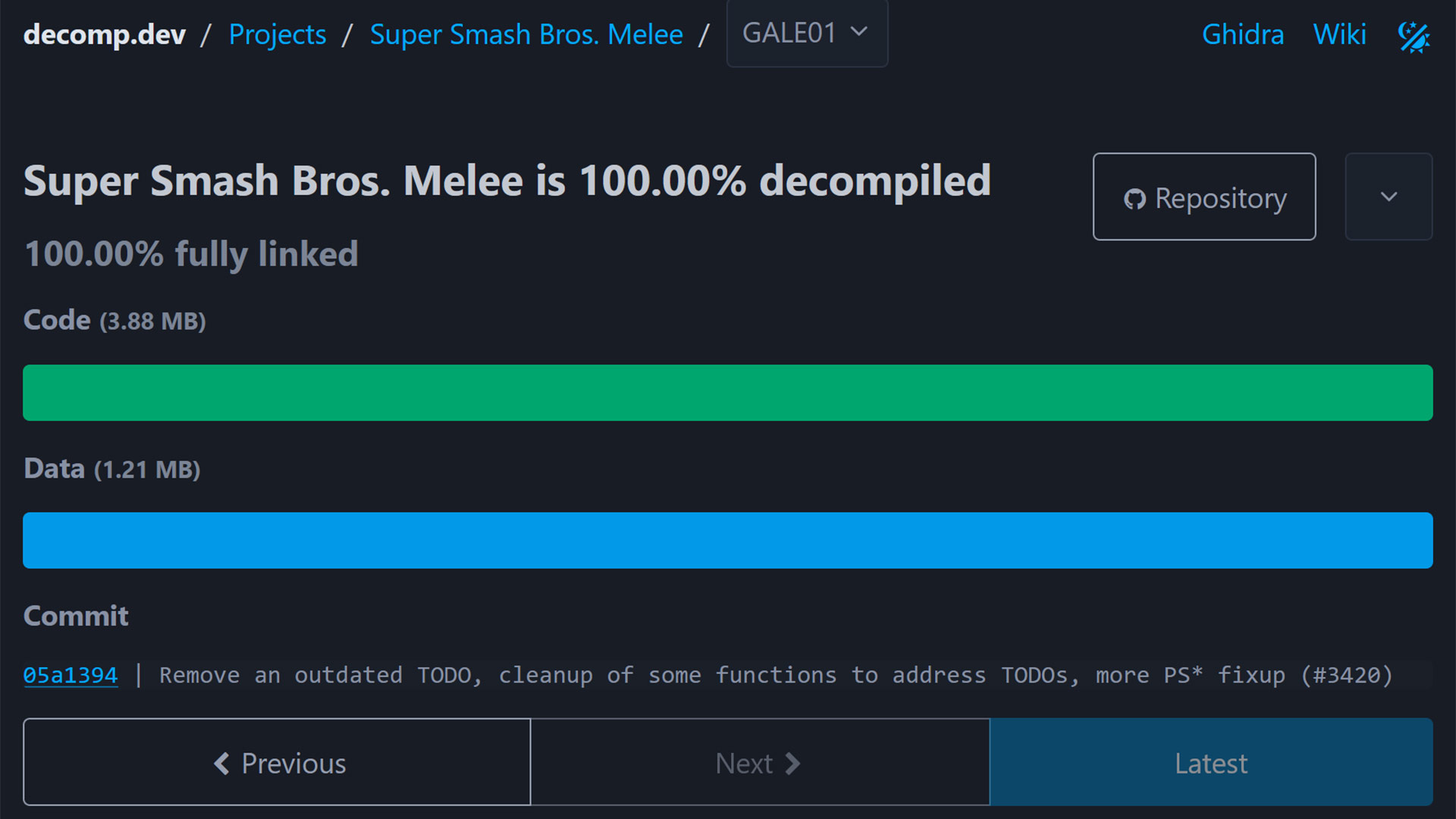
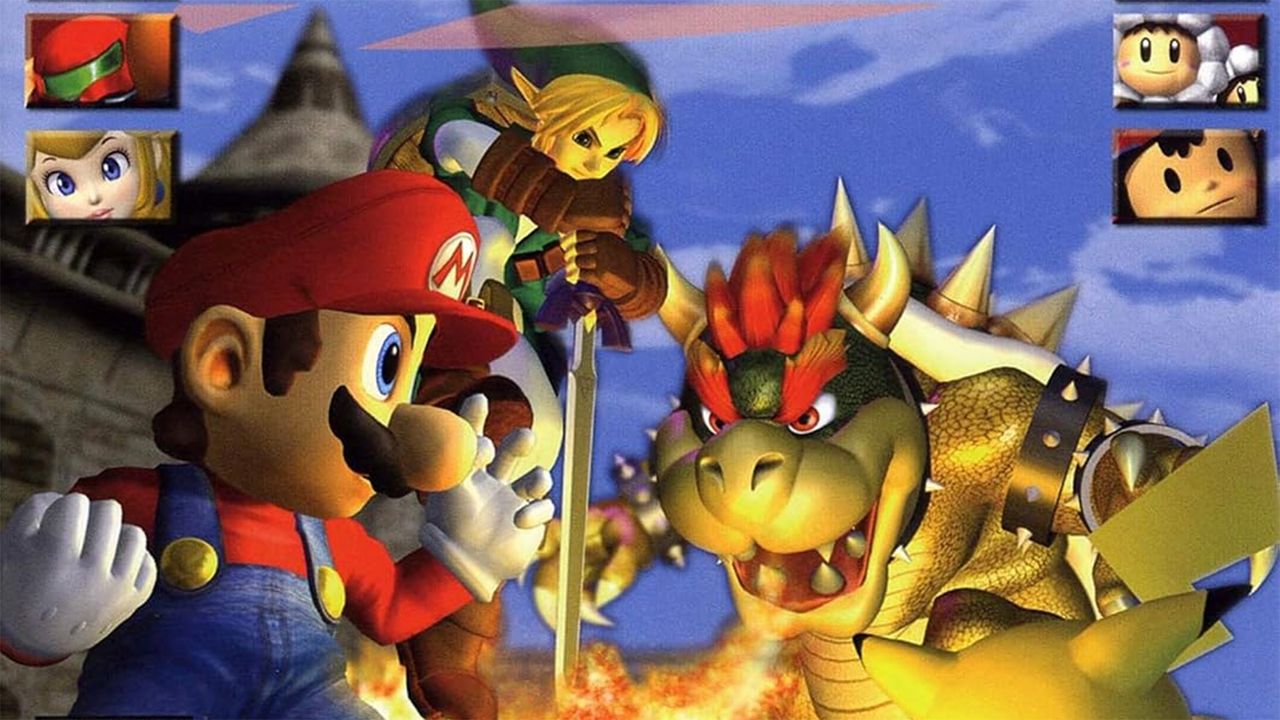
A Super Smash Bros Melee decompilation project hit its key long-standing goal a few hours ago. Nintendo’s legendary platform fighting game, which launched on the GameCube in 2001, has now been 100% decompiled by a team of developers. This is a complex game to convert to C code, but the project code can now be compiled into a binary byte‑for‑byte identical to Nintendo’s original main.dol. The effort has taken the team six years or more to get to this stage, with OpenAI's Astra part of the effort to get it over the line. Gamers may already be excitedly anticipating Super Smash Bros Melee ports and modding tools, but these too will take time and effort.

Super Smash Bros. Melee has been 100% decompiled!
 from r/SSBM

Decompilation projects seem like the latest trend to grasp the retro gaming and development communities, but some, like this, have been in progress for a very long time. Enthusiasts are spurred on by old console hardware becoming scarce, expensive, or uneconomical to repair. Thus, they want to preserve the original game code in a manner that can be ported to modern supported systems. Demanding 100% accuracy with a complex game like this was ambitious, but now that milestone has been reached.

Super Smash Bros Melee decomp

(Image credit: decomp tracker)

Preservation isn’t the only goal, or result of projects like this. Seasoned developers will now be able to pore over the game’s C code and gain insights into Melee’s engine, physics, game mechanics, and more. Armed with this knowledge, we should eventually see the modding potential of this game blossom. This has happened in the wake of previous successful decompilation projects.

If you drop in on the doldecomp/melee GitHub page, linked above, you can check over the code for yourself. There are instructions for compiling this Super Smash Bros Melee C code on various platforms, including Windows. However, please remember these aren’t ports; you will just be recreating the v1.02 US release main.dol file from the GameCube, which weighs in at 3.88MB. You'll also need the original assets (textures, audio, etc.) from the GameCube disc that you own, in order to run the game.

Some highlight that the project was finalized with thanks in part to the latest AI tech, including GPT-6 Astra. Similar tech might also be used to rapidly develop the ports and mods that the crowds are looking forward to.

  •  

Vintage Emulator Studio recreates 44 legendary synths down to the chip level — free MAME-powered component-level emulation should offer exceedingly accurate sound

Musicians and synth-heads in the audience, rejoice. A new vintage synthesizer plugin has arrived that has the potential to blow many commercial offerings out of the water — and it's completely free, to boot. Audio software maker Autodafe has released the Vintage Emulator Studio (VES), a fresh new plugin that integrates a fair number of the open-source MAME emulator's synthesizer cores in one neat package.

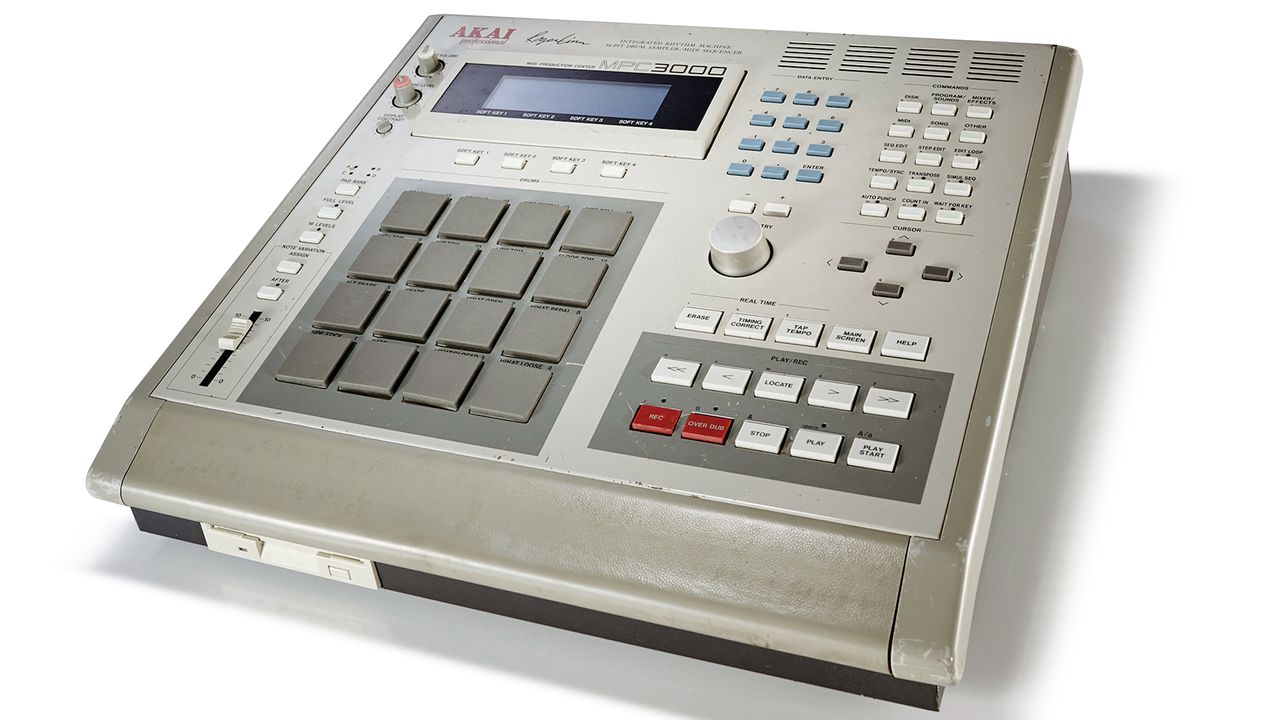
The entire list of emulated synths is below, but it includes iconic entries like the Akai MPC3000, LinnDrum, Oberheim DMX, and Roland TR-707 — used by names like Dr. Dre, New Order, The Police, INXS, and Prince, among many other high-level acts. There are a total of 44 machines, all with component-level emulation.

What makes VES different from most other synth plugins is that instead of presenting a facsimile of the final output or a hybrid mix of component- and output-stage emulation, it employs — by way of MAME — full component-level emulation. Each processor, tone generator, envelope generator, filter chip, and converter should be faithfully reproduced, potentially resulting in a "perfect" emulation of the gear in question, more or less depending on the status of each driver core.

Notably, on machines whose MAME emulation is farther along, analog and/or digital output stages are faithfully recreated, meaning you won't need additional low-pass filters or any other trickery to make the synth sound like the actual hardware. Additionally, the skeuomorphic, HiDPI-ready UI replicates the units' control panels, dials, buttons, and LCD displays, making them easy to interact with if you're familiar with the real hardware — and probably a nightmare if you're not, as "ease of use" wasn't high on the list of priorities back then. Floppy disk, CD-ROM, and peripheral emulation ought to be included too.

If by now you're thinking this is all too good to be true, there are indeed a couple or three catches. First and foremost, as with any emulator, you'll need to provide your own ROM/firmware, and depending on the synthesizer, any associated sample packs. Although obtaining those is not too difficult, having a copy of that data is a legal gray area if you don't own the original hardware. Although we haven't tested it ourselves, the CPU usage of the plug-in ought to be somewhat high, considering all the work it's doing simulating every single component.

Additionally, while MAME's emulation cores aim for full component-level emulation, not every synth driver has had the same amount of work put into it. For example, the Akai MPC-3000 driver is nearly complete, while the Prophet-5's has only been introduced to MAME fairly recently — so your mileage may vary. We'd expect this VST to be updated somewhat frequently as work on its MAME core moves forward.

For the sake of argument, though, if only a handful of synths are fully emulated, that's still an impressive showing out of a list of 44, given that in theory you'll get output that tracks exceedingly close to that of the original hardware, all from one plugin. You can download the Vintage Emulator Studio right here, in VST3 or AU format, for every major OS: Windows, macOS Intel/M-series, and Linux. It's also available as a handy standalone application.

  •  

This 10-inch 4:3 television hides your retro consoles in a secret rear compartment — Unico's Traveller ULW10 trades composite video for RGB SCART and HDMI

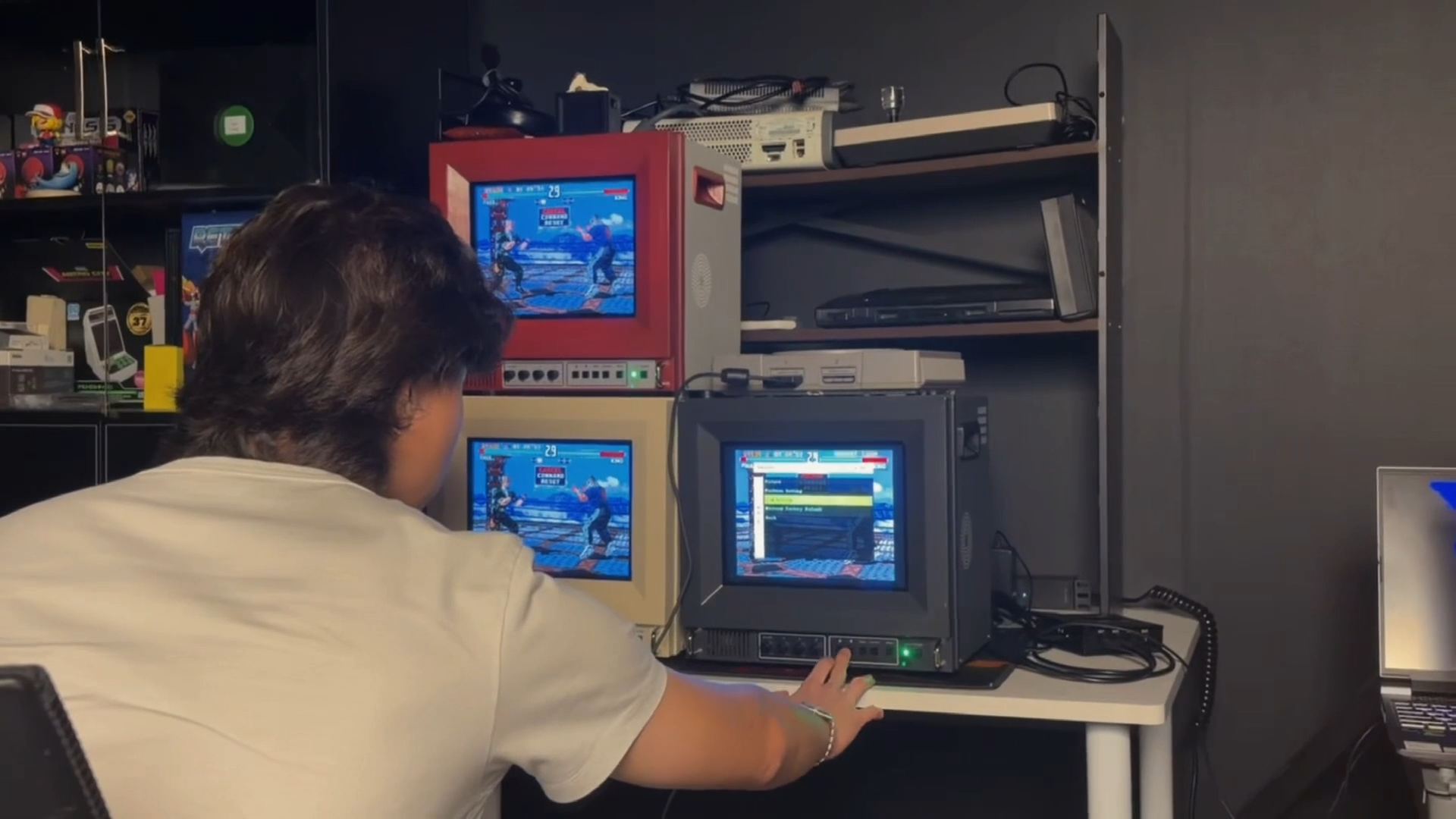
Getting a retro game console to look right on a modern TV can be a challenge, as legacy video signals need to be scaled or de-interlaced, while latency and aspect-ratio issues can further make retro games look or feel different from the original experience. In an attempt to recreate the nostalgic experience, retro gaming hardware manufacturer Unico has introduced the Traveller ULW10, a CRT-inspired 10-inch TV.

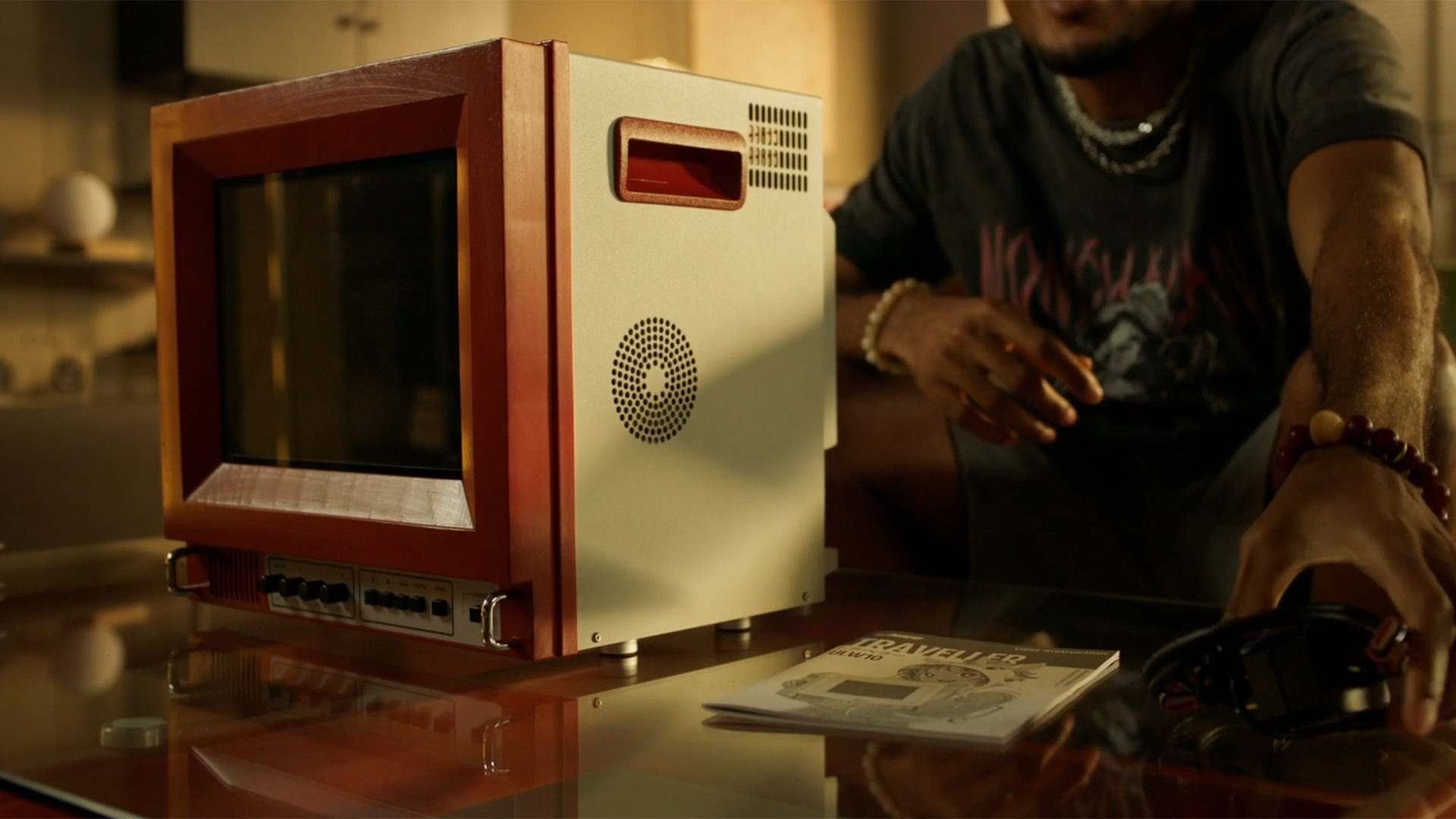
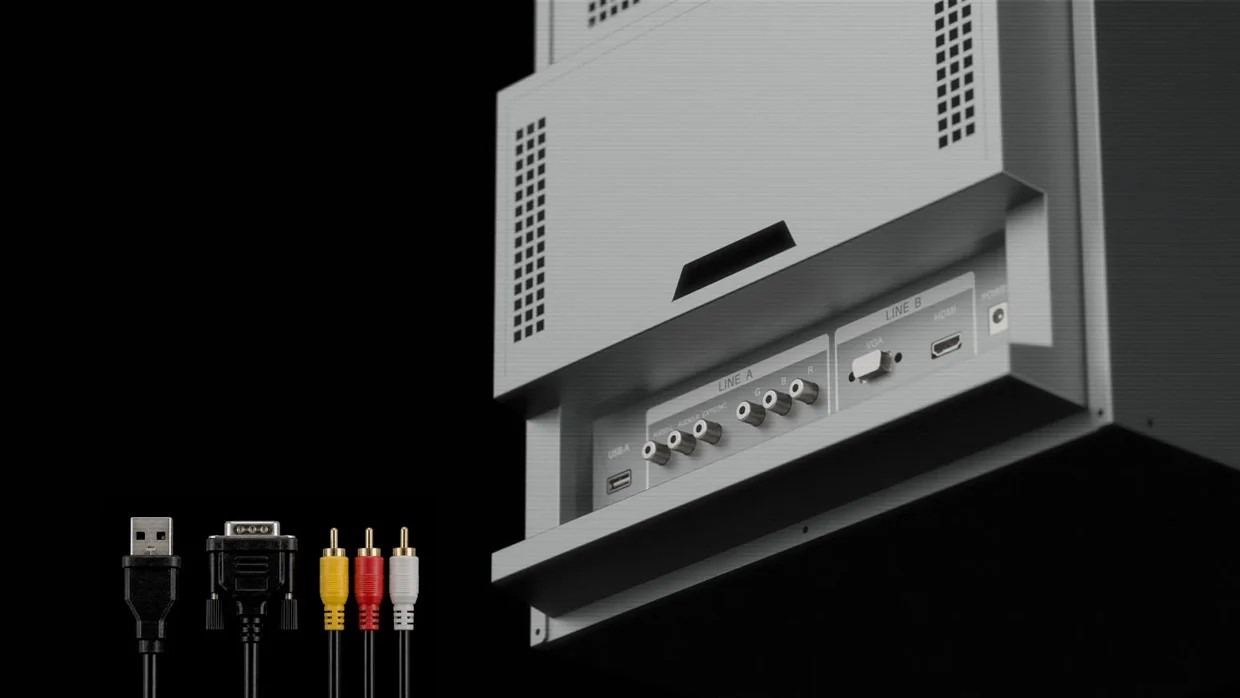
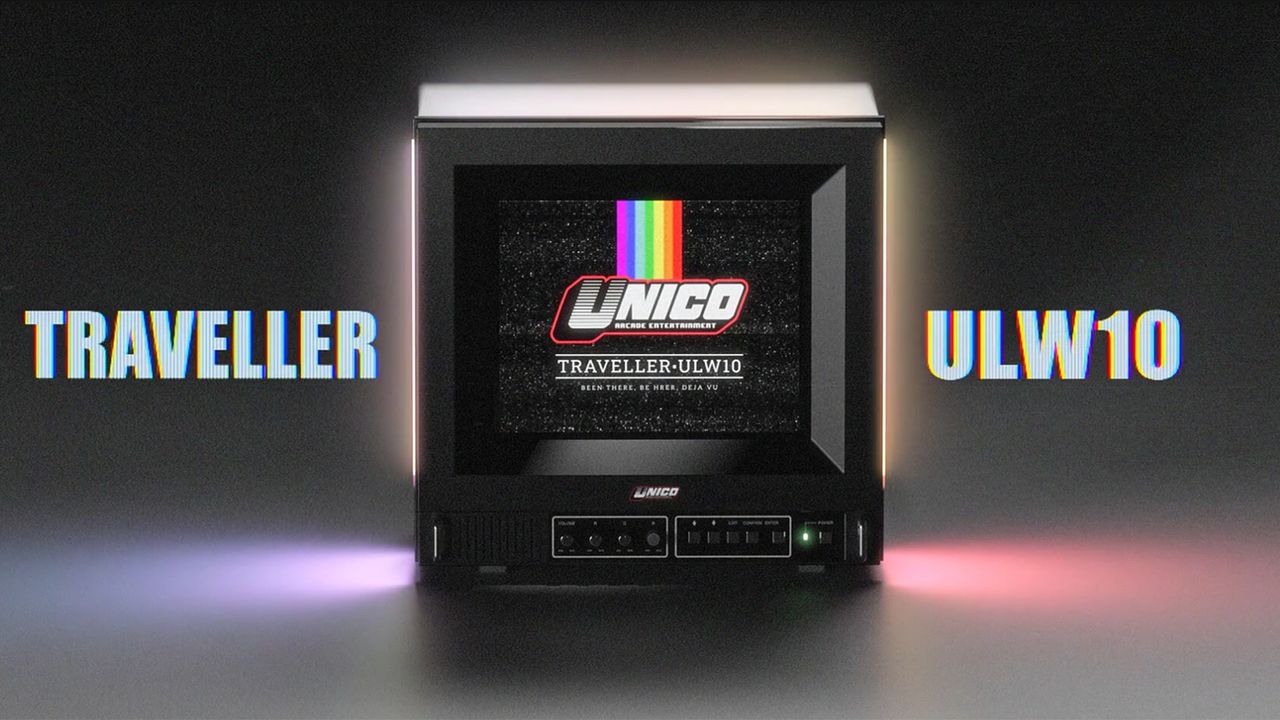
According to the company, the ULW10 is a PVM (Professional Video Monitor) with a vibrant 4:3 panel that “combines the character of a classic display format with the reliability of modern technology.” In terms of connectivity, the monitor comes with RGB, VGA, and HDMI video inputs, offering support for a wide variety of consoles. There is also a USB Type-A port, while the rear compartment provides storage for compatible consoles that can be tucked behind the display. It also includes knobs and physical buttons for various settings, similar to those found on old-school televisions.

The Unico Traveller ULW10 retro gaming monitor
Unico
The Unico Traveller ULW10 retro gaming monitor
Unico
The Unico Traveller ULW10 retro gaming monitor
Unico

Unfortunately, the ULW10 does not include a composite video input, and Unico says the decision ultimately came down to the limited space inside its compact chassis. With room needed for the signal board and other components, the company had to choose which video inputs to include. HDMI and VGA were retained for modern devices, PCs, and video converters, while RGB SCART was selected as the analog option because it offered the best balance between compatibility and image quality. It is also worth mentioning that the ULW10 is not a CRT monitor, but it can simulate the CRT or pixel-art style of old games.

The monitor will be offered in three color options: red and white, cream white, and studio gray. The casing includes built-in carrying handles as well as speaker vents, although the monitor itself does not include any speakers. The Traveller ULW10 will be available via Kickstarter, and while pricing information has not yet been confirmed, you can reserve a ‘Founder Spot’ for $5 and receive $30 back when you back the monitor on Kickstarter.

  •