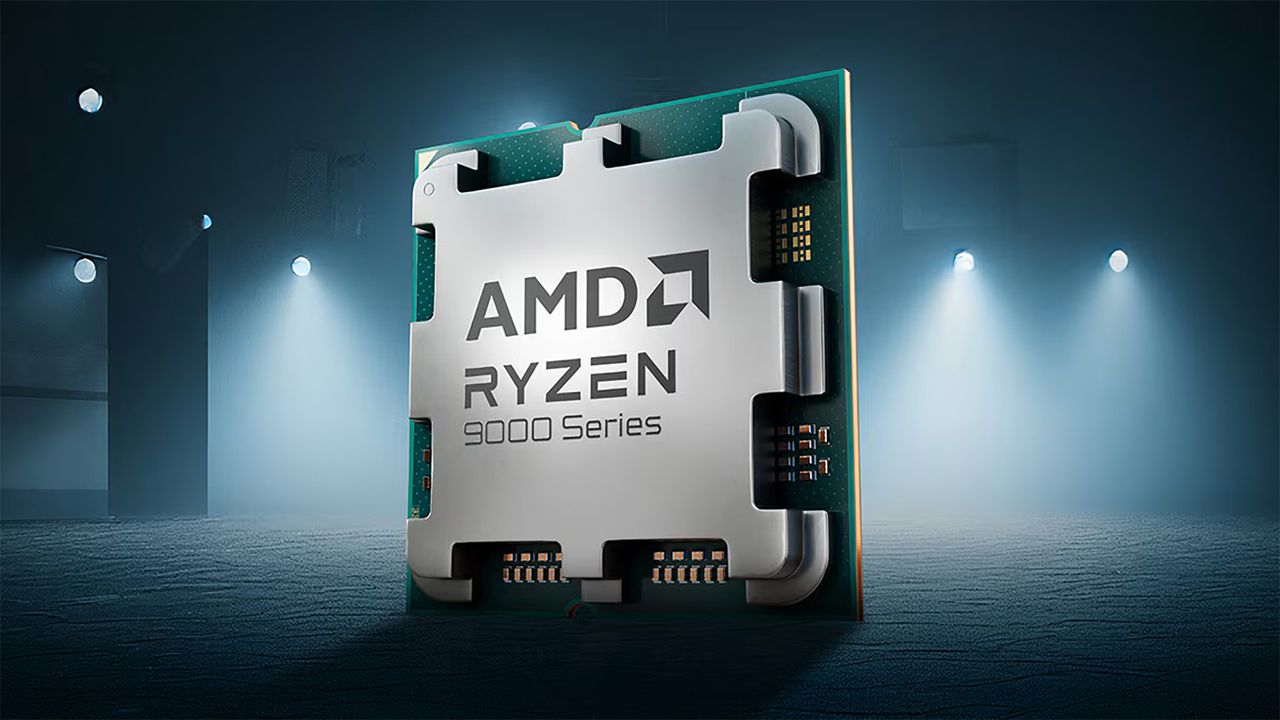
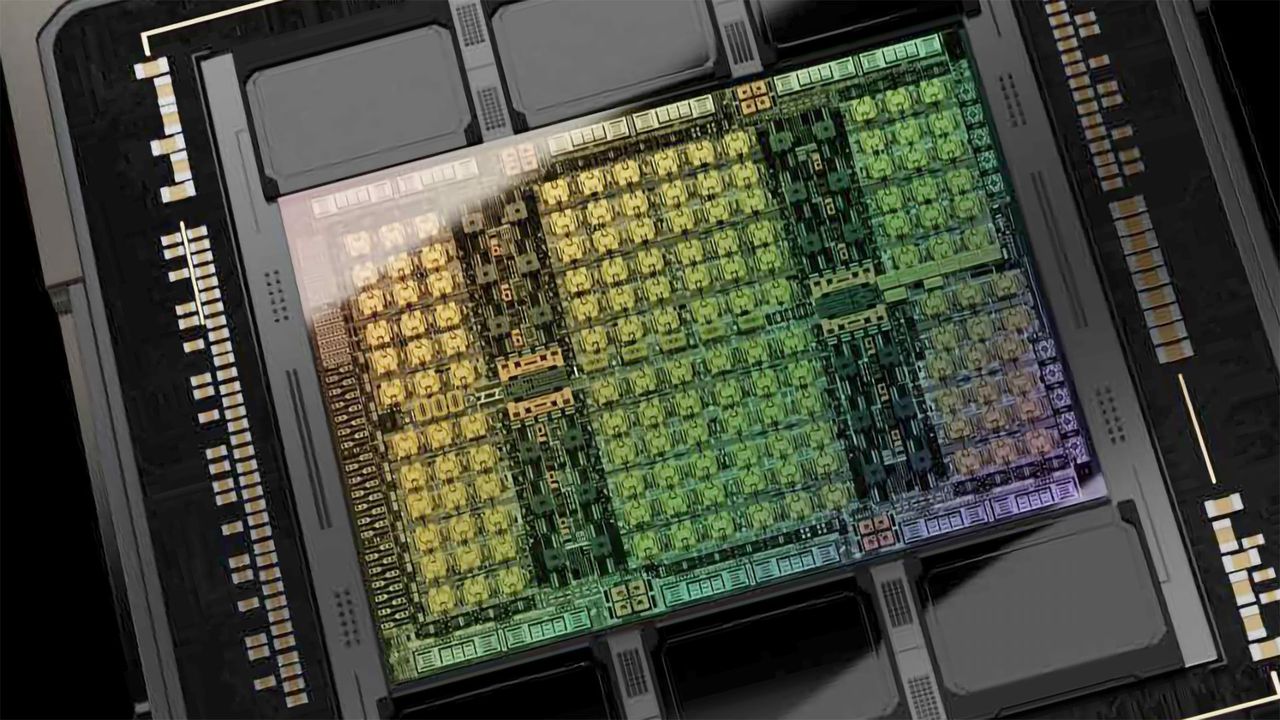
AMD is refreshing its X3D lineup, with new chips part of the Ryzen 9000 family, one of which is the updated Ryzen 7 9850X3D. As the name suggests, it's pretty much the same as the existing 9800X3D, but with 400 MHz higher boost clocks, which have now been confirmed won't require more power.
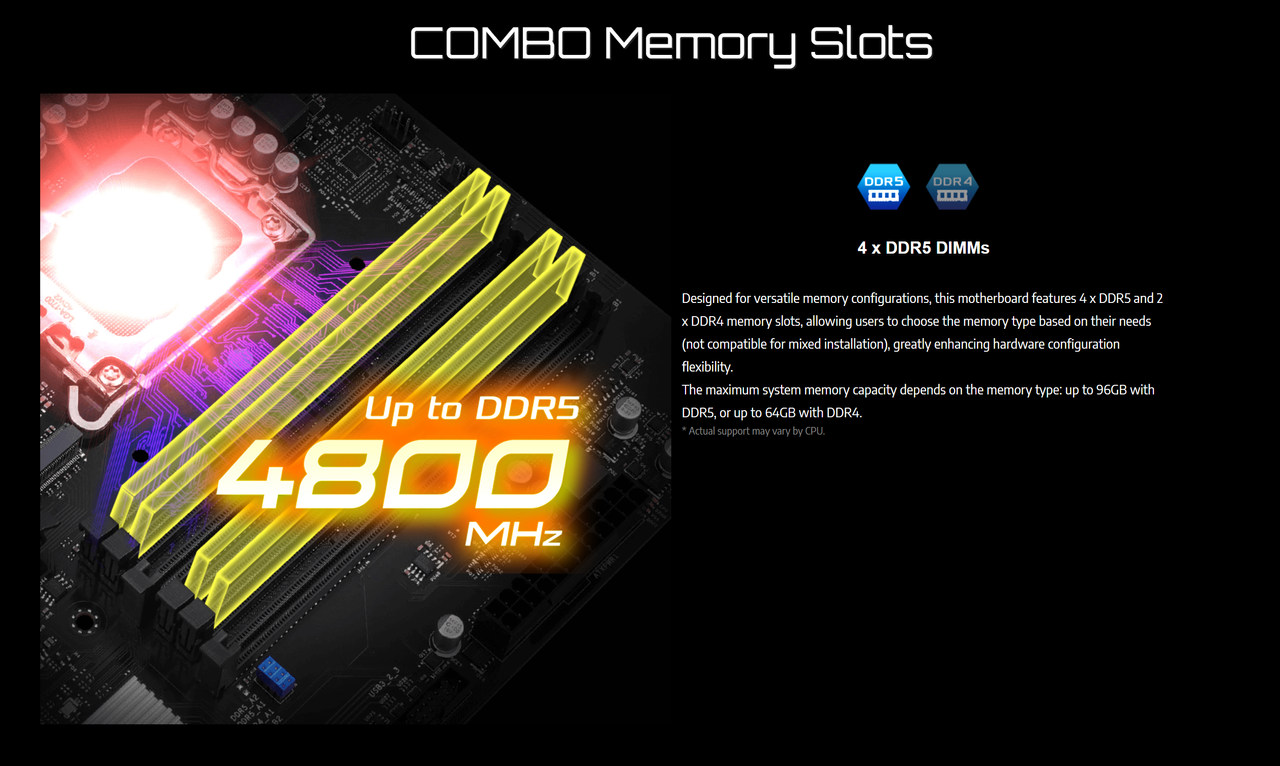
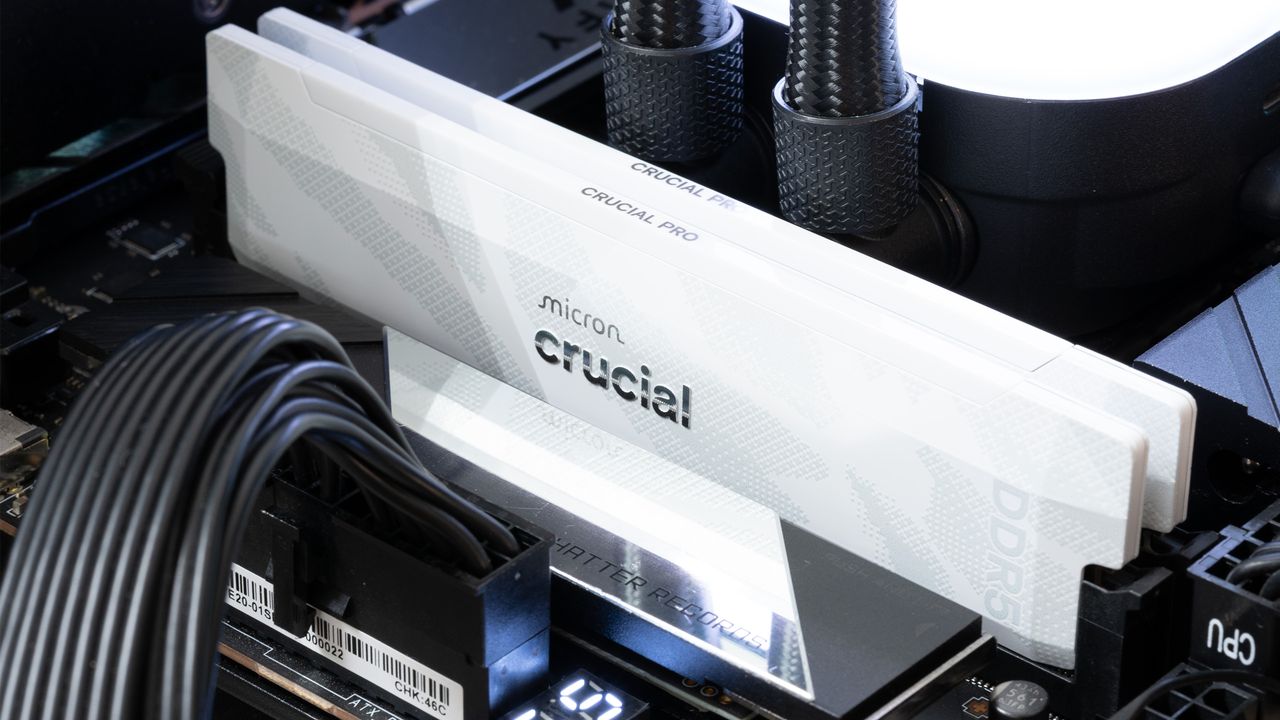
Amidst the never-ending cycle of DRAM shortage news cursing the industry, ASRock is finally bringing some good news: a motherboard with support for both DDR4 and DDR5 memory, that too in dual-channel mode. The H610M Combo doesn't have a price yet, but it looks like it can help somewhat mitigate the effects of the current RAM crisis.
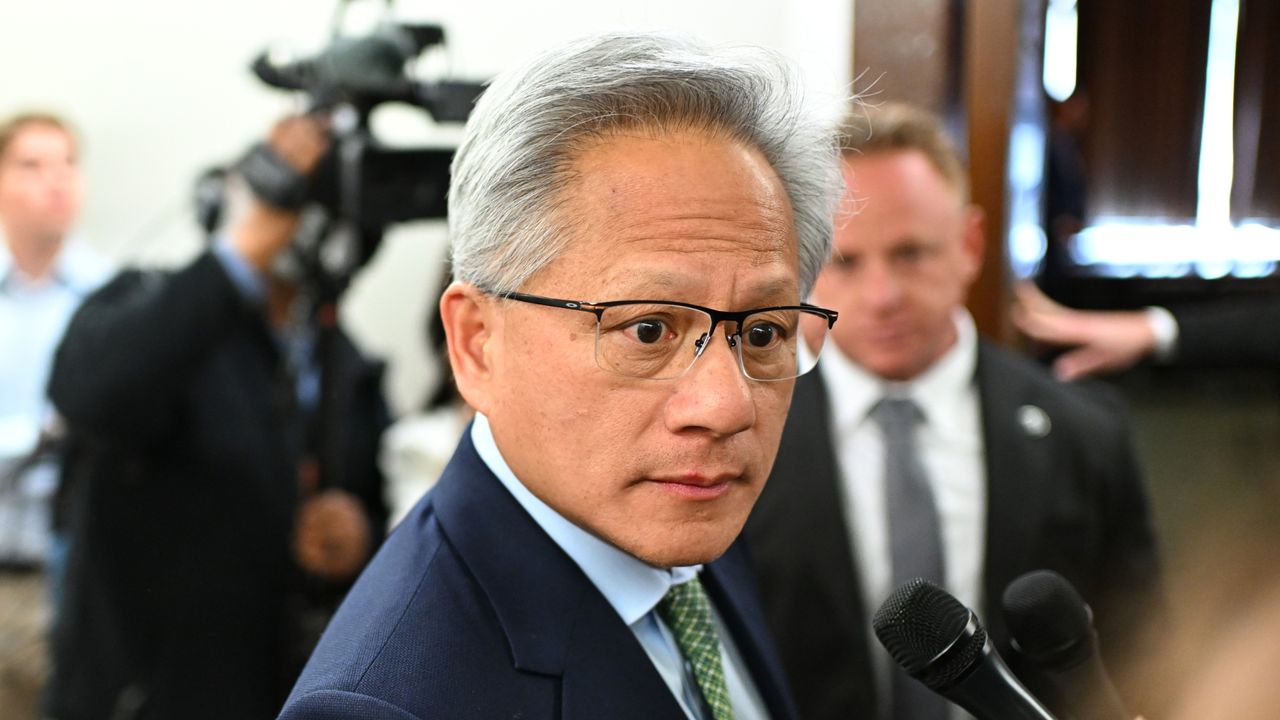
Nvidia CEO Jensen Huang admits that he has no idea whether Nvidia can sell its H200 chips in China even if Washington allows the company to export them.
Cash influxes from the U.S. government, Nvidia, and SoftBank stabilized Intel enough to cancel plans to spin out its networking and communications division.
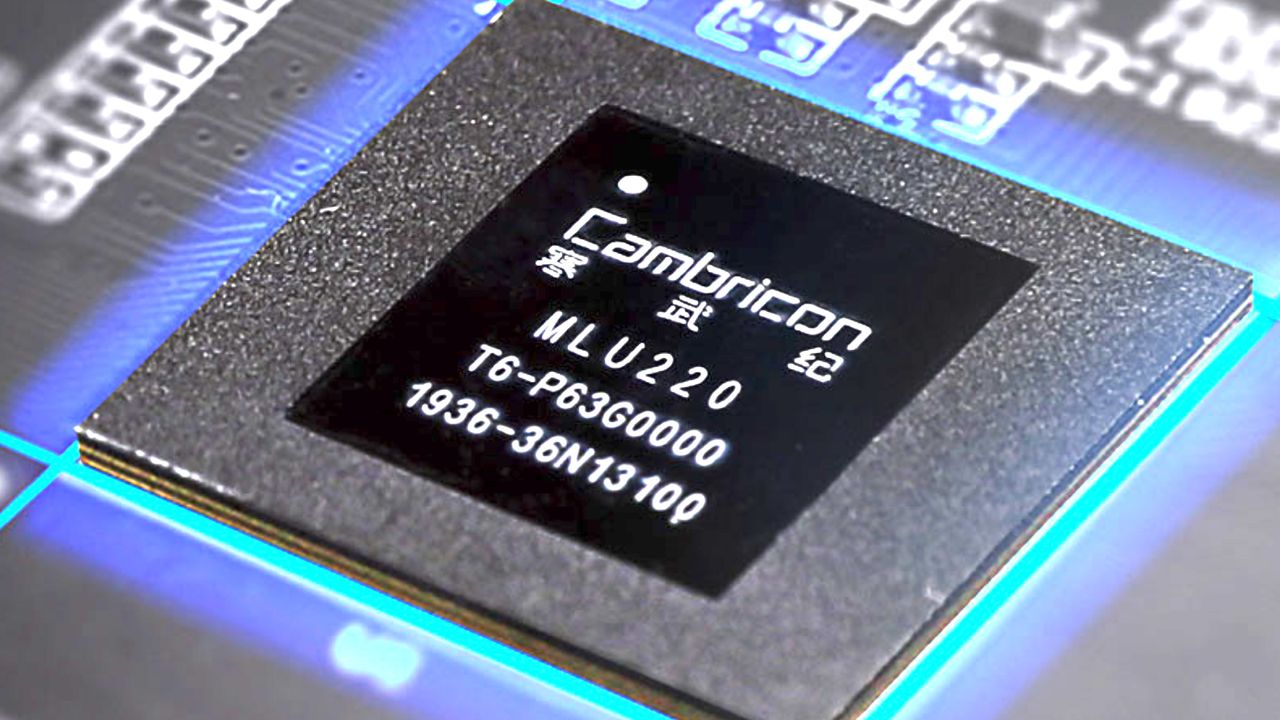
Chinese tech firm Cambricon Technologies has plans to triple its production of domestic AI chips in 2026, targeting the market dominance of national giant Huawei. Primarily set to rely on Semiconductor Manufacturing International for fabrication, it's not entirely clear how Cambricon will get enough wafers to achieve its goals.
Dutch intervention, China’s retaliation, and widening U.S. controls have turned a major European component supplier into the centre of a three-way dispute.
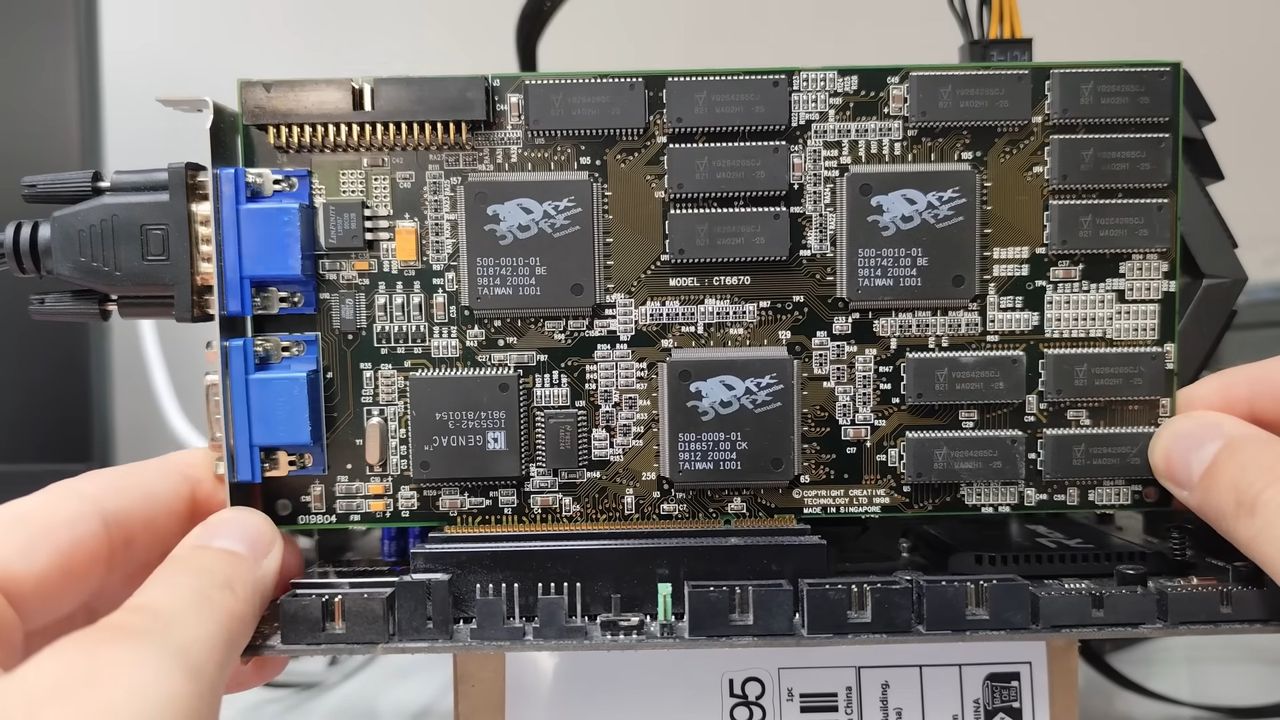
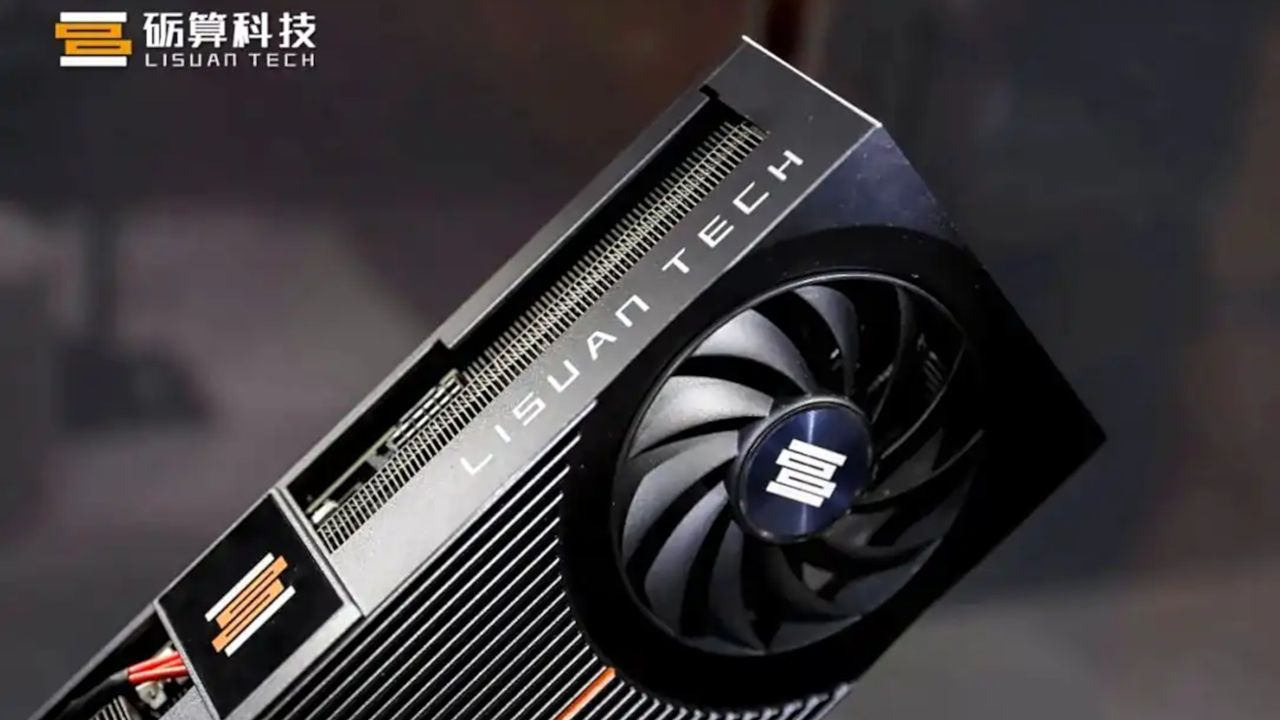
Lisuan's 7G105 discrete GPU was spotted running 3DMark in an ARM-based machine, revealing that Lisuan has quite possibly built the first 3D graphics driver that supports ARM machines that works with a dedicated graphics card.
The U.S. House shelved the GAIN AI Act, blocking a rule that would have forced AMD and Nvidia to put U.S. buyers ahead of China for advanced GPUs, though Beijing's own limits blunt the impact.
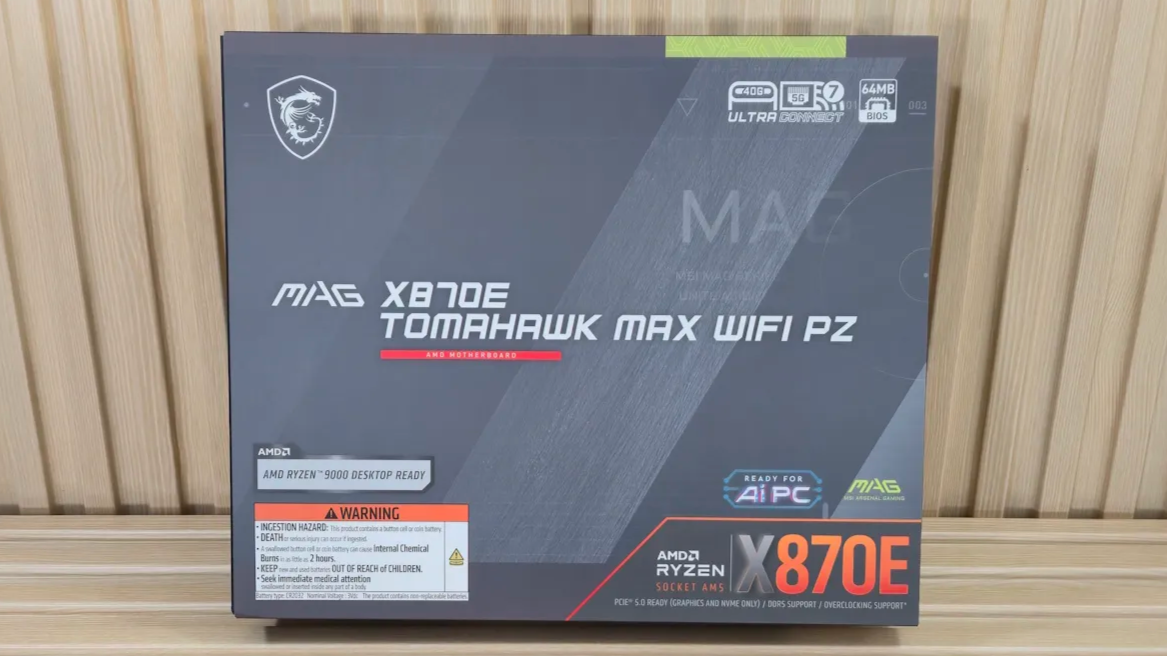
The MSI X870E Tomahawk MAX Wi-Fi PZ mainboard is designed to offer a sleek, clutter-free setup by positioning all its connections on the board's backside, providing a solid base to build your system around.
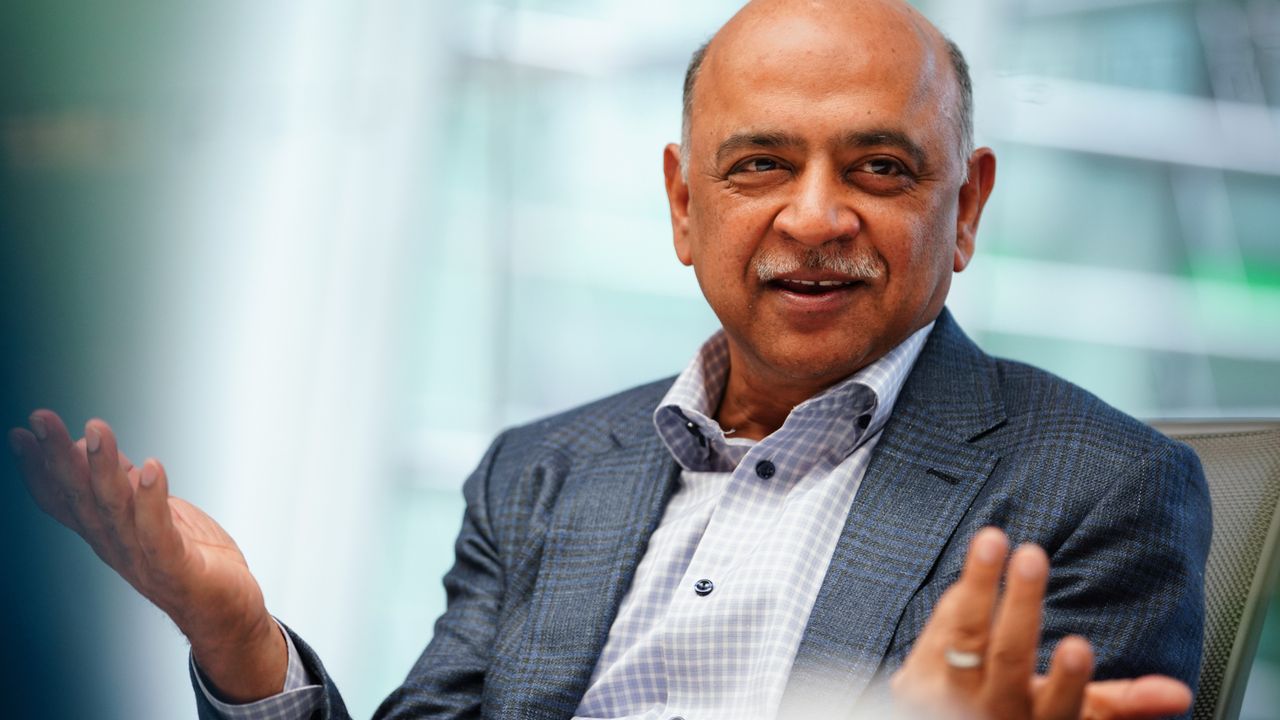
IBM CEO Arvind Krishna used an appearance on The Verge’s Decoder podcast to question whether the capital spending now underway in pursuit of AGI can ever pay for itself.
 Anmelden