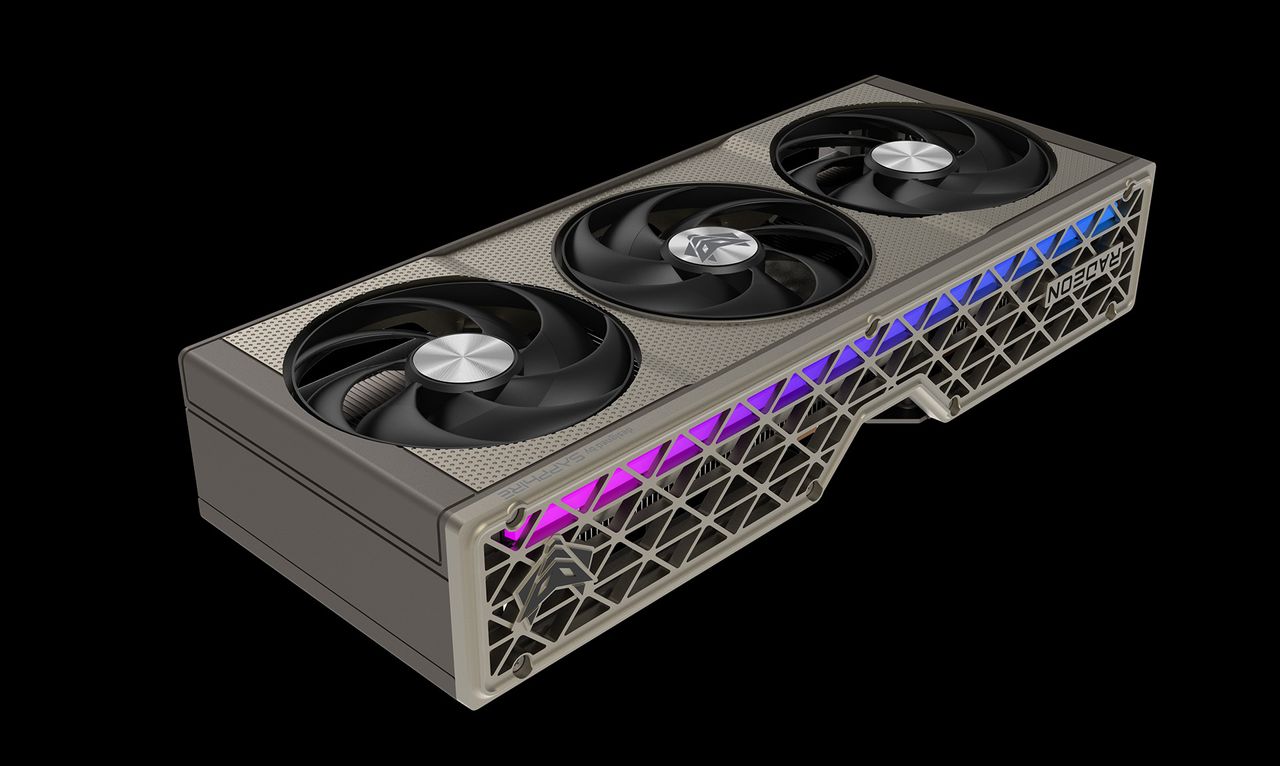
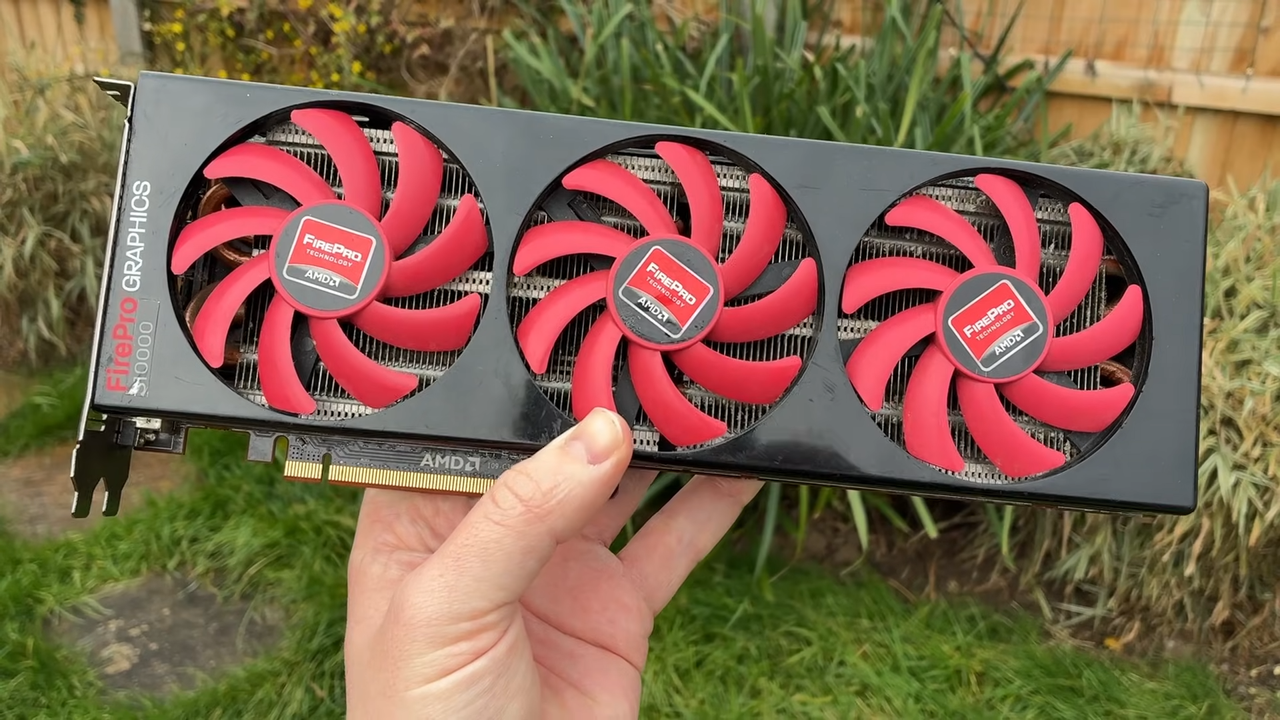
PR manager at Sapphire, Edward Crisler told Hardware Unboxed in a podcast that he wishes chip makers (like AMD and Nvidia) would let AIB partners roam free and build creative graphics card designs without restrictions.
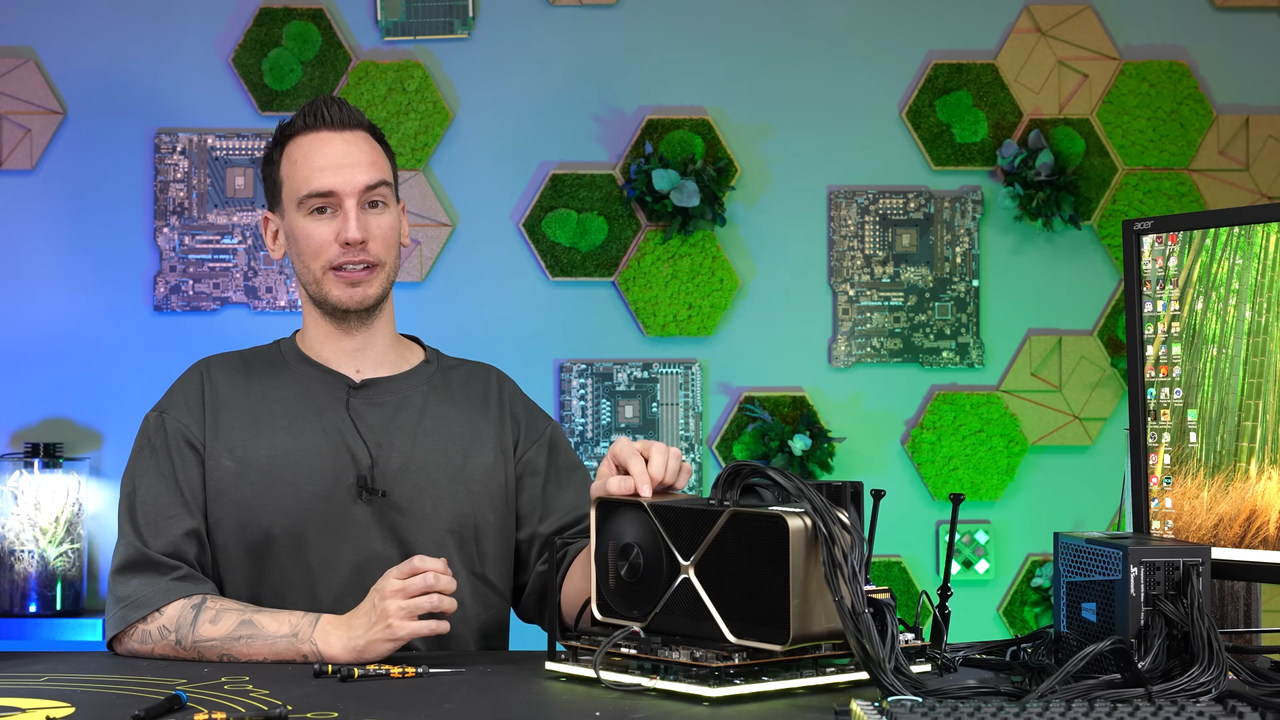
Following prior benchmarks, the man himself, der8auer, has disassembled the RTX Titan Ada prototype he's had for months. Inside, the card is a maze of wires, connections, and side-plate wizardry, holding together a beastly quad-slot design that had not one but two 12VHPWR (600W) connectors and a side-mounted PCB.
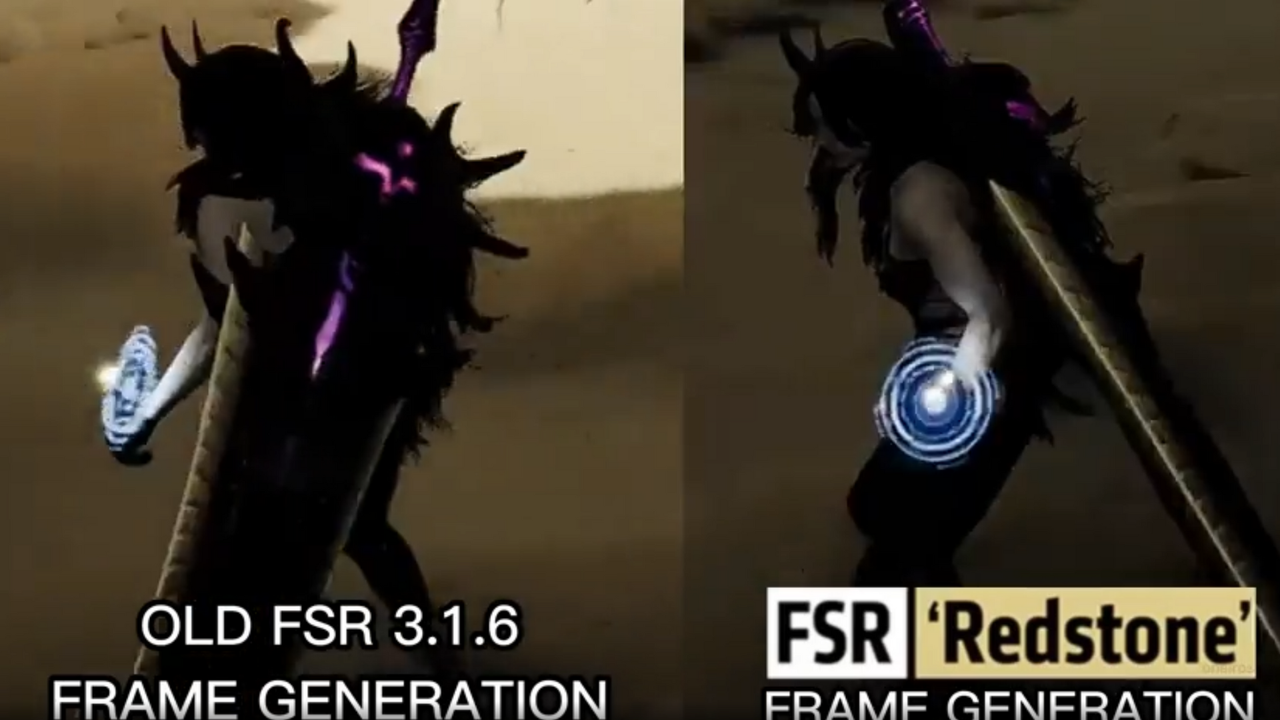
A Reddit user has demonstrated AMD’s new ML-powered FSR Redstone frame generation running in Monster Hunter Wilds, a game that was never designed to support it.
Nvidia's GPU fleet management software can track spikes in power usage, monitor utilization, detect hotspots, spot anomalies, identify software errors, and detect the physical location of processors. However, the software is completely optional for its clients.
Der Grafikchipspezialist Nvidia hat hinter verschlossenen Türen über die letzten Monate ein neues System präsentiert, mit dem Grafikkarten ihren Standort melden können. Damit soll der Schmuggel von GPUs in Länder mit Handelsbeschränkungen unterbunden werden. (Weiter lesen)
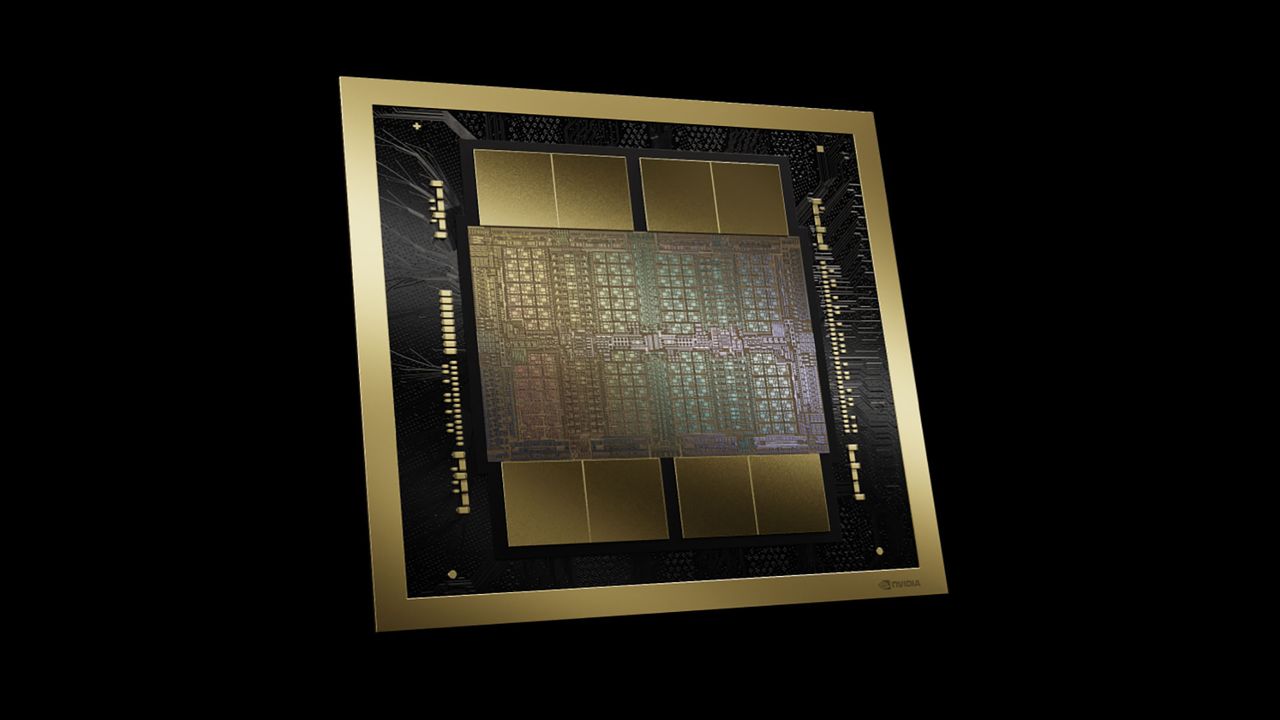
Nvidia has quietly developed a software-based location-verification system for its Blackwell-generation GPUs that can approximate where the hardware is operating, which could prevent smuggling of AI GPUs to China.
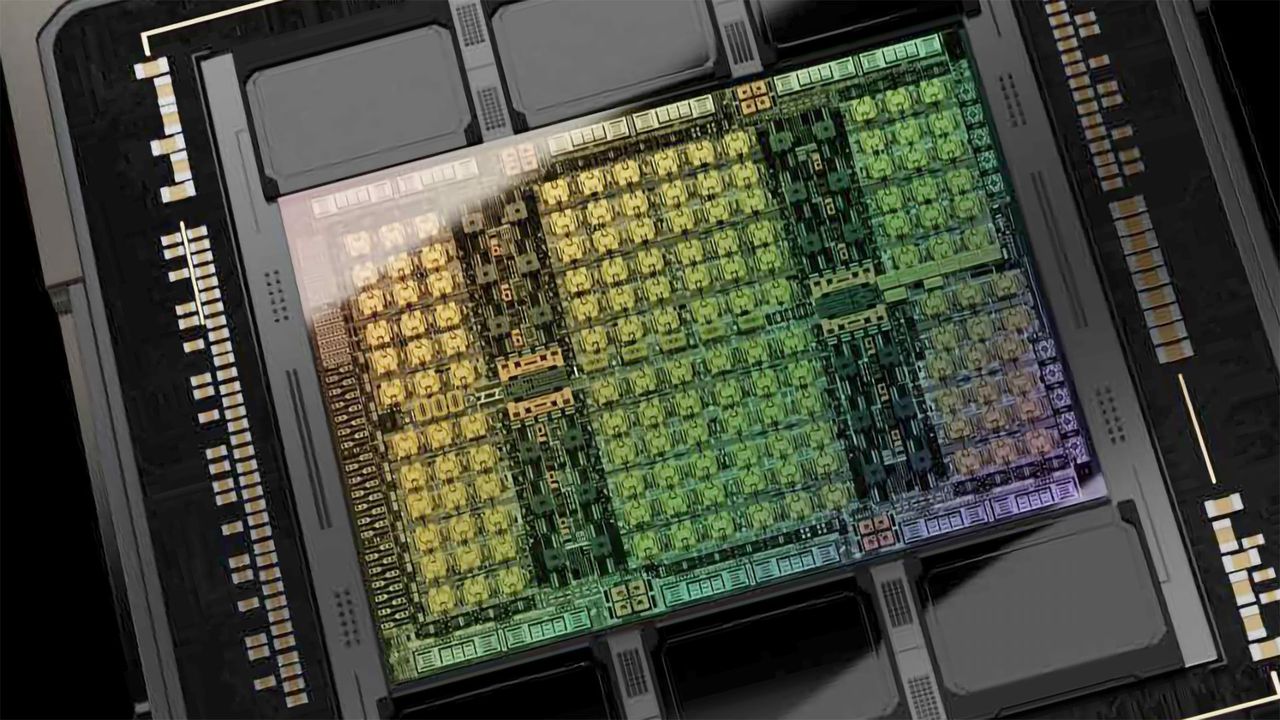
The U.S. government is reportedly preparing to let Nvidia ship its H200 accelerators to China, a move that could restore Nvidia’s influence in the Chinese AI market and reinforce CUDA’s dominance, but the question is if Beijing agrees to accept this hardware.
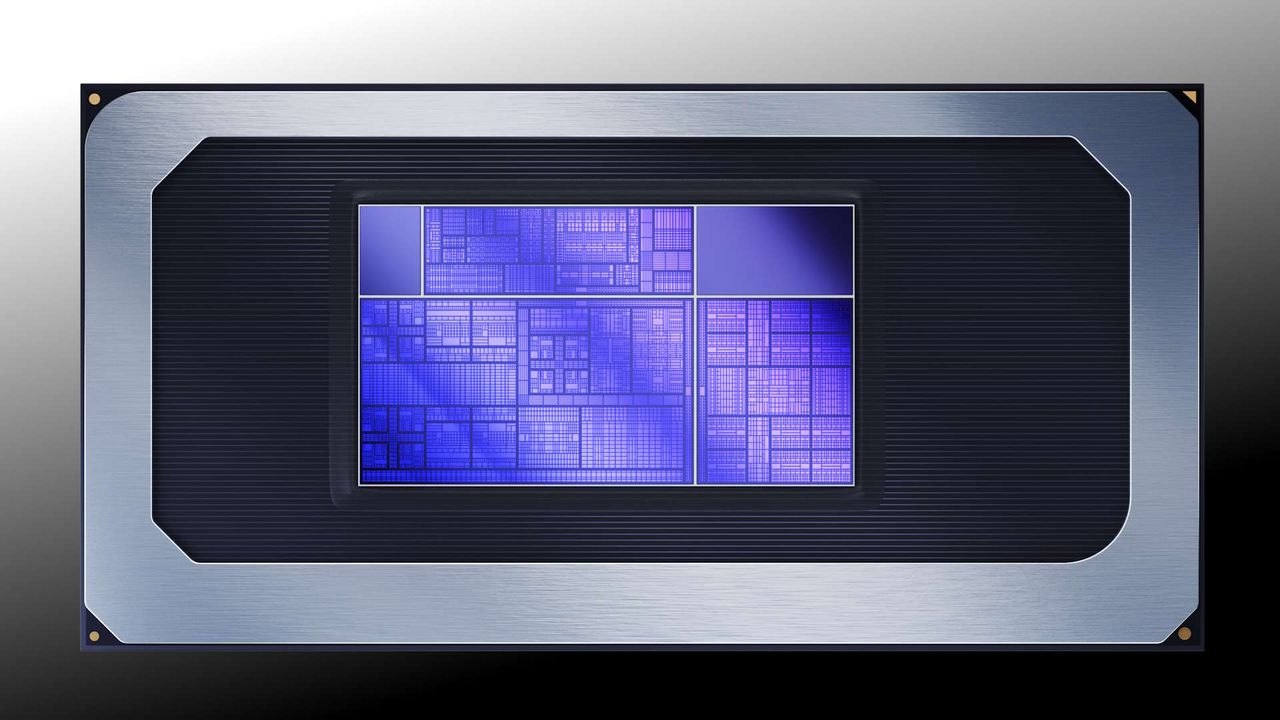
A Furmark 2 benchmark of Intel's upcoming B370 Xe3 iGPU, has appeared on X with underwhelming results. Intel's outgoing Arc 140V Xe2 iGPU beats the B370 by 14% in this particular benchmark.

 Anmelden