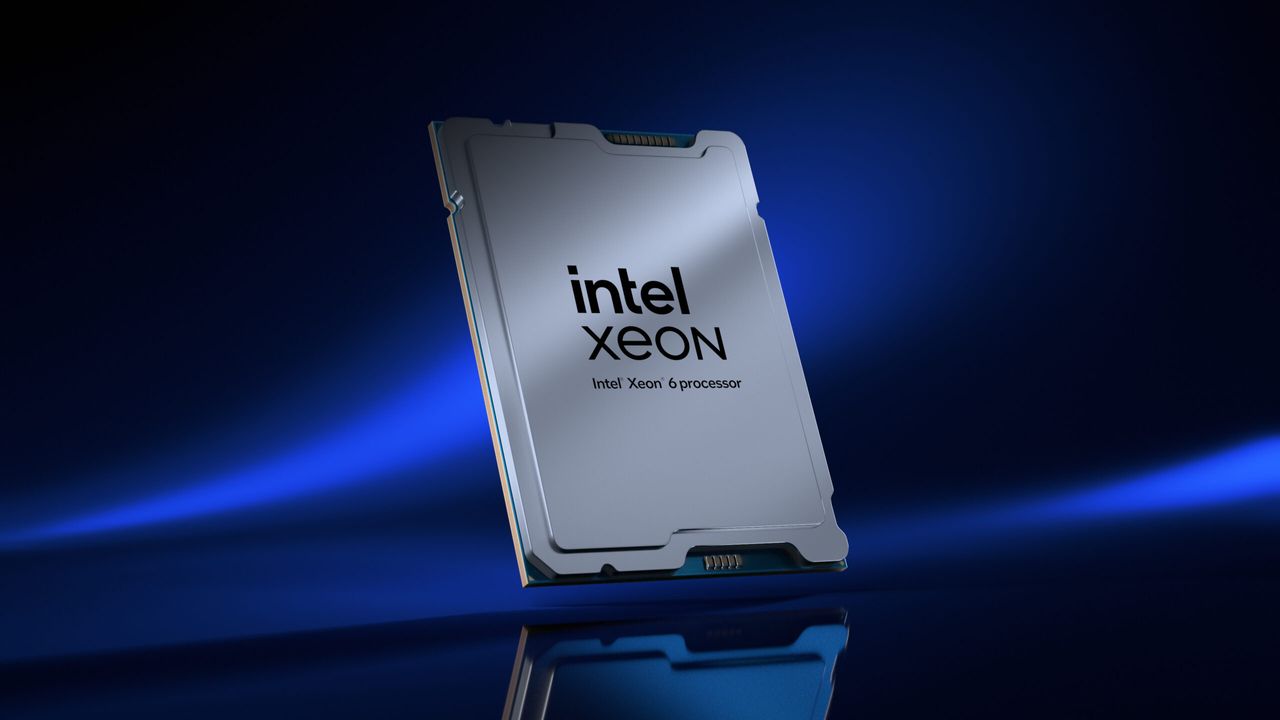
Diamond Rapids, also known as Xeon 7, was supposed to launch later this year, but a new leak from Jaykihn claims the timeline has now moved to 2027. Clearwater Forest, the E-core-only successor to Sierra Forest, is set to release in the first half of this year, while the next-gen Coral Rapids family is reportedly planned for 2028.
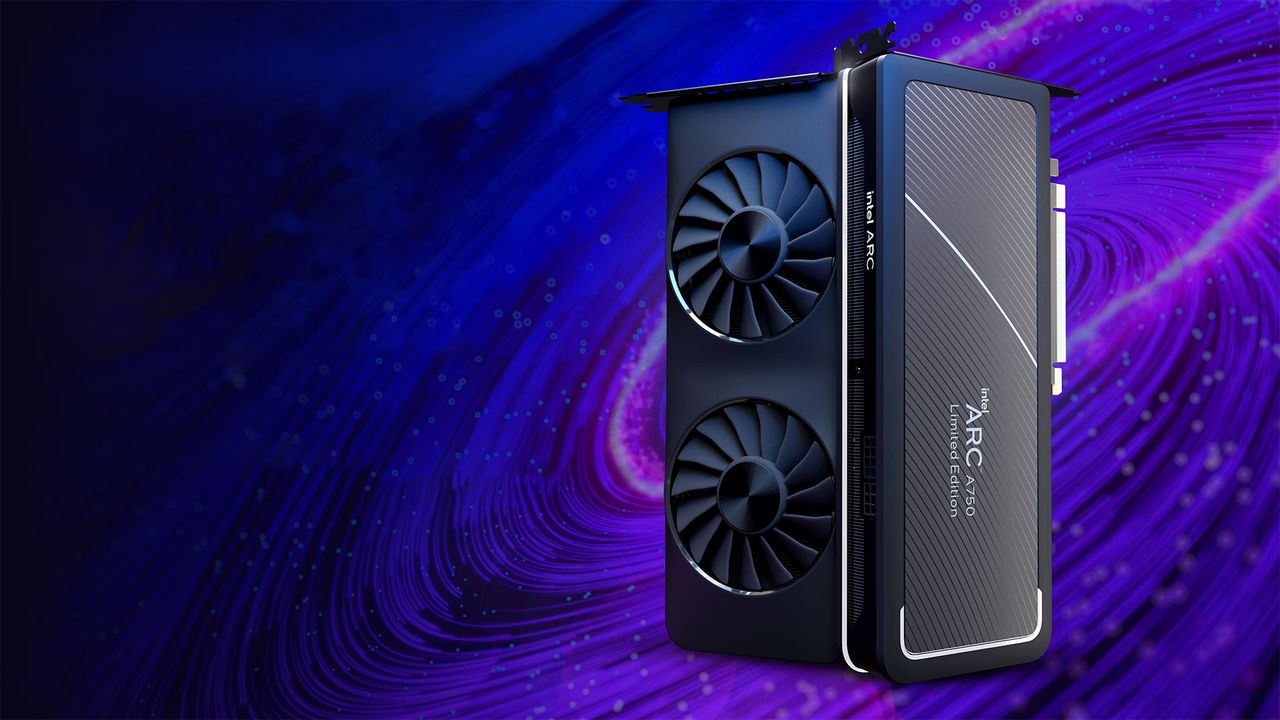
New leaks claim that Intel's upcoming Xe3P graphics architecture won't feature any discrete gaming GPUs, and even the next-gen Xe4 lineup isn't confirmed to. Intel is instead prioritizing the datacenter and workstation segments for new graphics IP, and is featuring them on mobile parts.
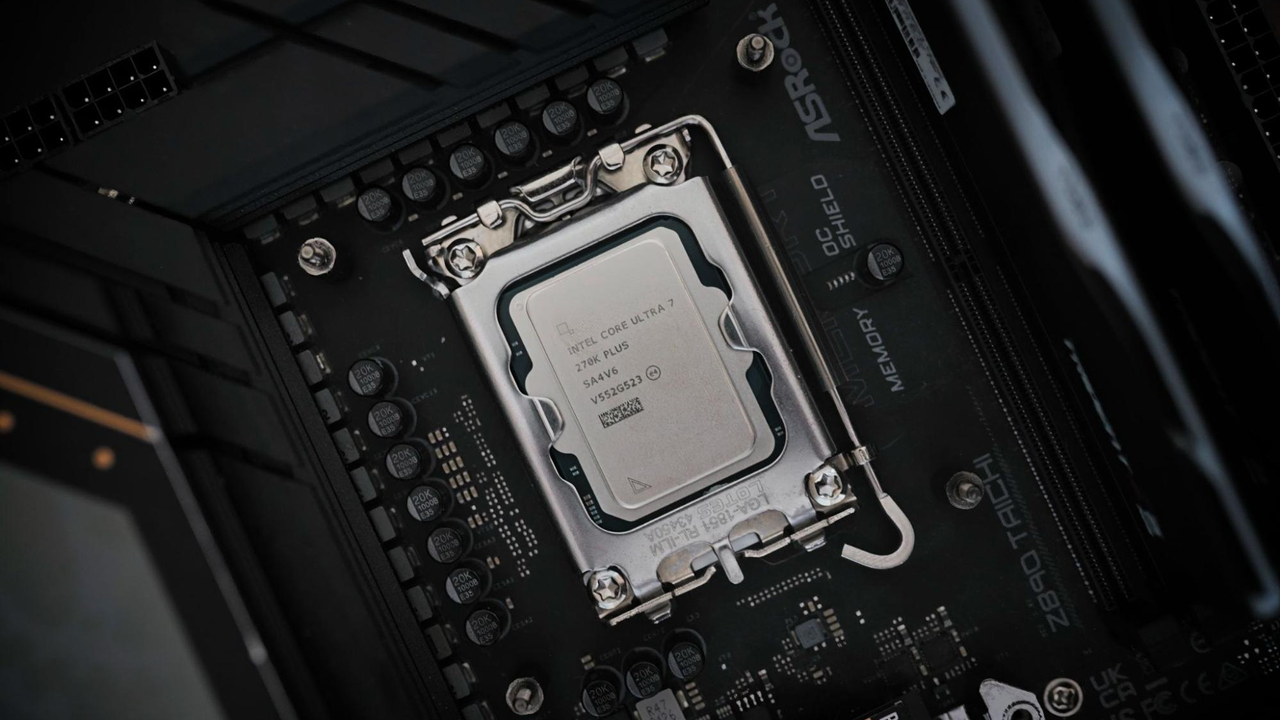
Intel is claiming that better software optimization for hybrid architecture CPUs can unlock up to 30% more performance without hardware upgrades. The silicon itself is very capable, but its true potential is held back by code that perhaps prioritizes more conventional silicon and, therefore, benefits from brute-force upgrades like extra L3 cache.
Microsoft Gaming has been rebranded to just Xbox and the new leadership at the company is looking to shift focus to what worked in the first place. The new open letter titled "We are Xbox" goes over four main points that the brand is putting at the center of this identity transformation. Surprisingly, it includes a reprioritization of console, too.
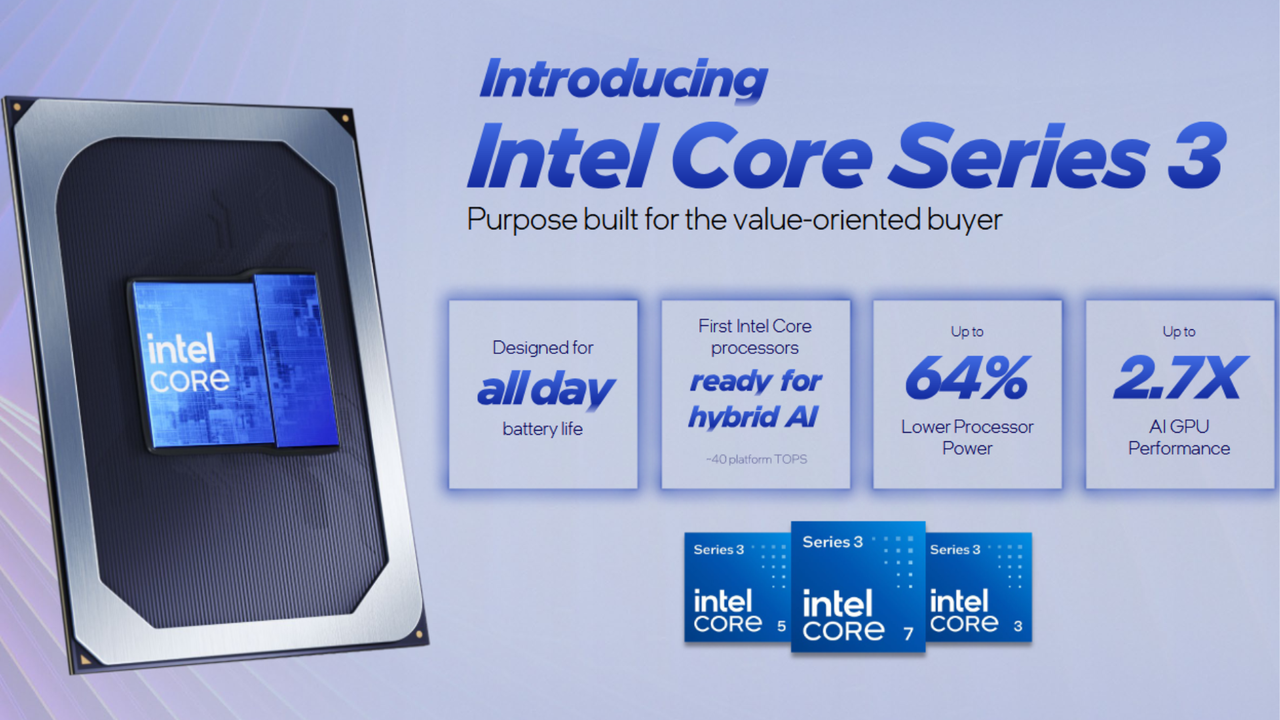
Intel's Wildcat Lake family was launched recently, but no devices featuring the CPUs have actually shown up yet. Analyst Vaidyanathan S shared pictures of a real laptop running the new 'Core Series 3' silicon, but it's just an Intel reference machine. It also shows that Wildcat Lake has a 17W PL1 and an 11W fanless mode, along with a 22W PL1 Max and a 35W PL2 mode.
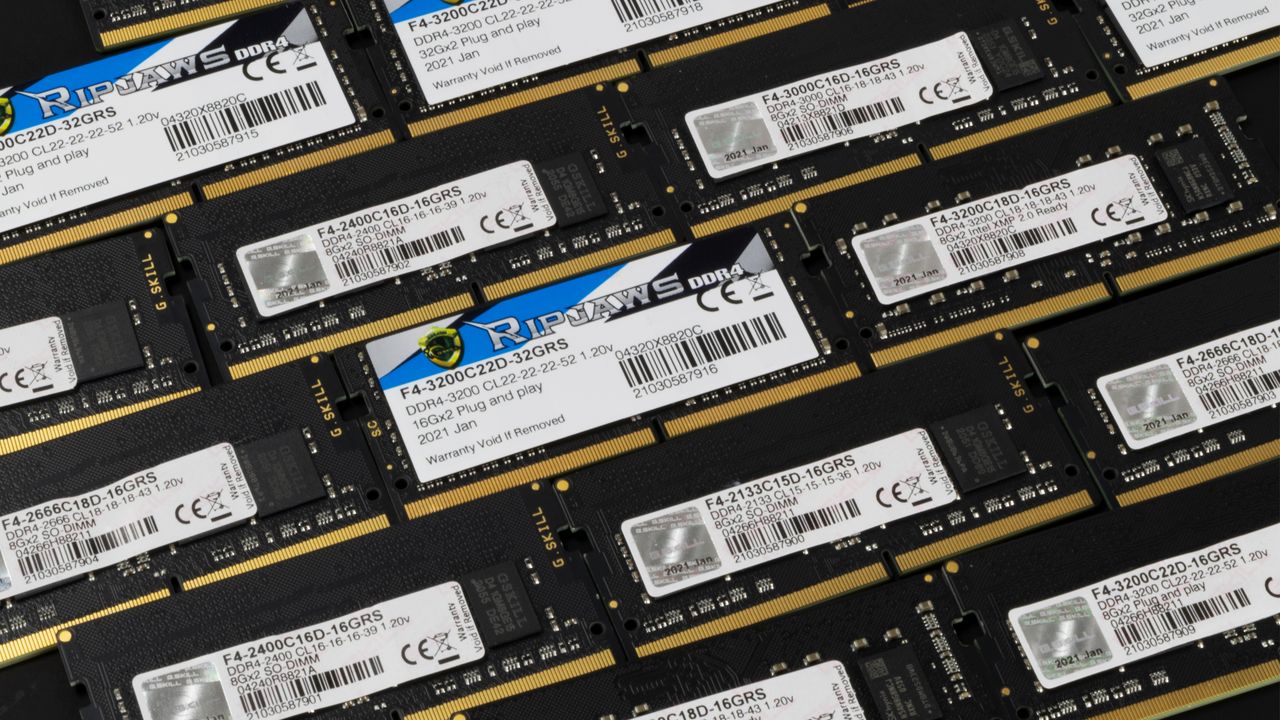
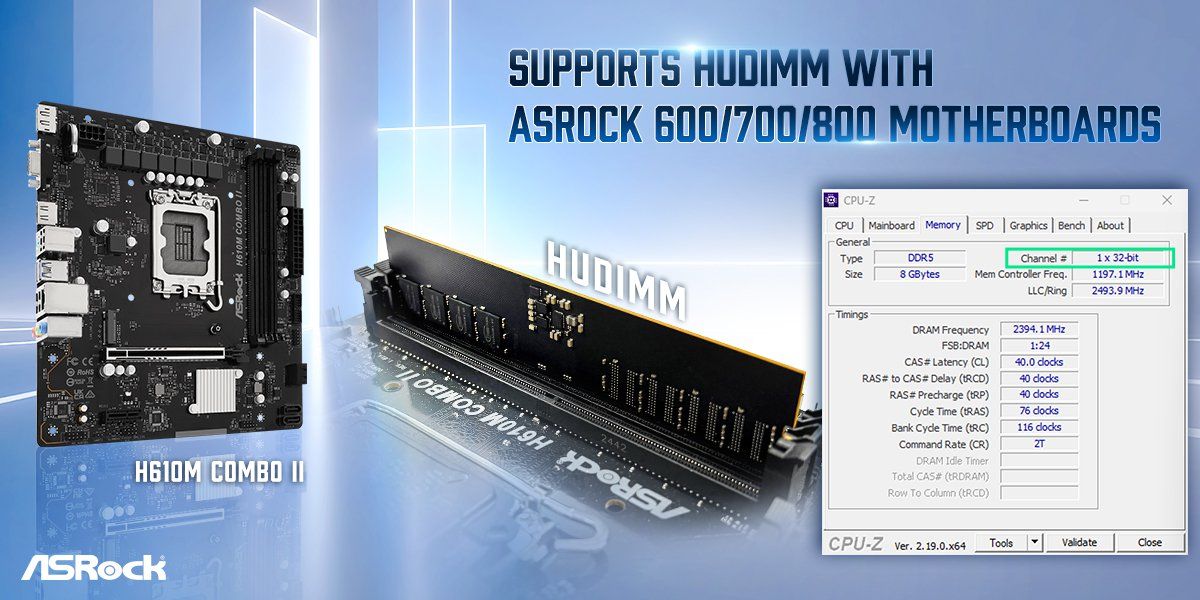
HUDIMM is being proposed as a cheaper memory spec using only 1x 32-bit subchannel per stick instead of 2x 32-bit in order to populate less ICs. Turns out, halving the bandwidth like that actually slashes the performance in half too, alongside the expected capacity reduction. Two HUDIMMs running in dual channel perform similar to a single regular DDR5 stick.
The Tokyo District Court has ruled that "spoiler articles" that describe the plot of a movie/show in detail now count as copyright infringement. The prosecution argued that these articles are "adaptations" made without permission, and that they earn ad revenue, further taking away fair compensation for IP holders.
DDR5 RAM usually has 2x 32-bit subchannels (single rank), which requires more ICs to populate a 64-bit wide bus. ASRock's new HUDIMM has just 1x 32-bit channel and can work with standard DDR5 in mix-and-matched configs as well. HUDIMM sticks are being made by TeamGroup and are supported on most LGA 1700 ASRock motherboards.
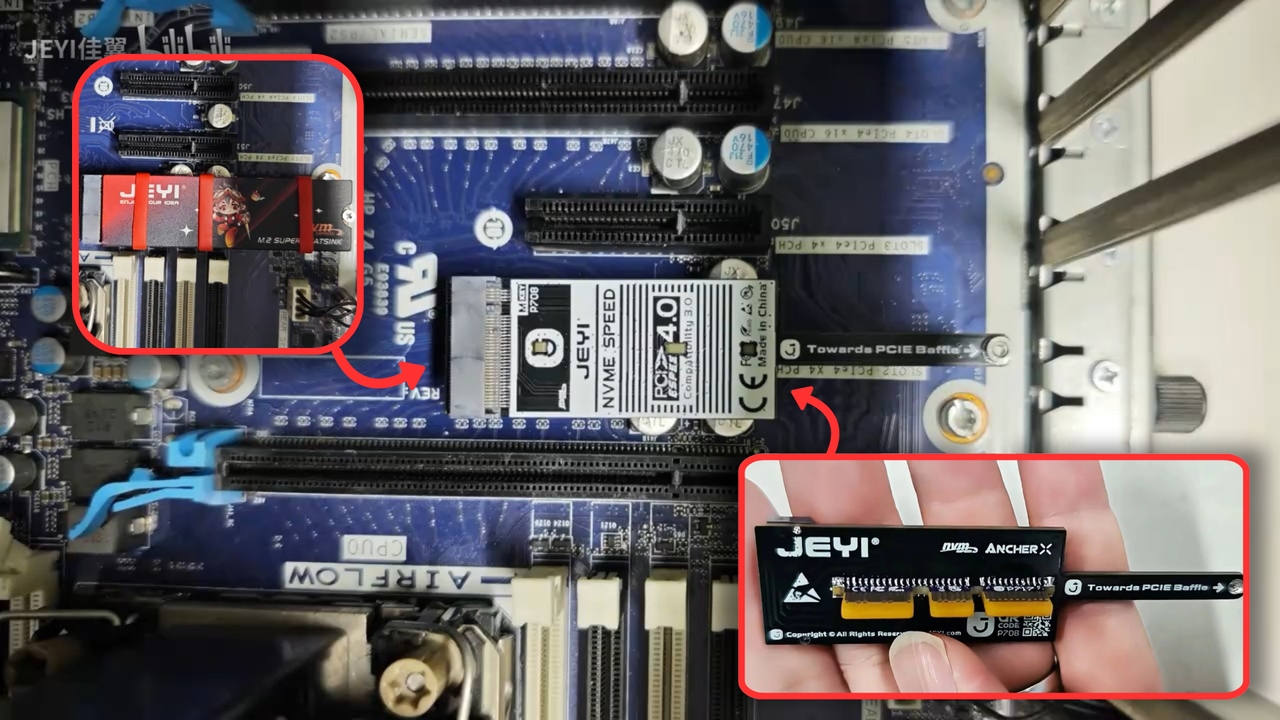
JEYI's new PCIe to M.2 adapter is flat and sits flush with the motherboard when installed in a PCIe slot. It basically takes up no perpendicular space, allowing an SSD to be installed even in tight spaces where the GPU is often blocking the area. The adapter features PCIe 4.0 speeds and is backwards compatible with PCIe 3.0 as well.
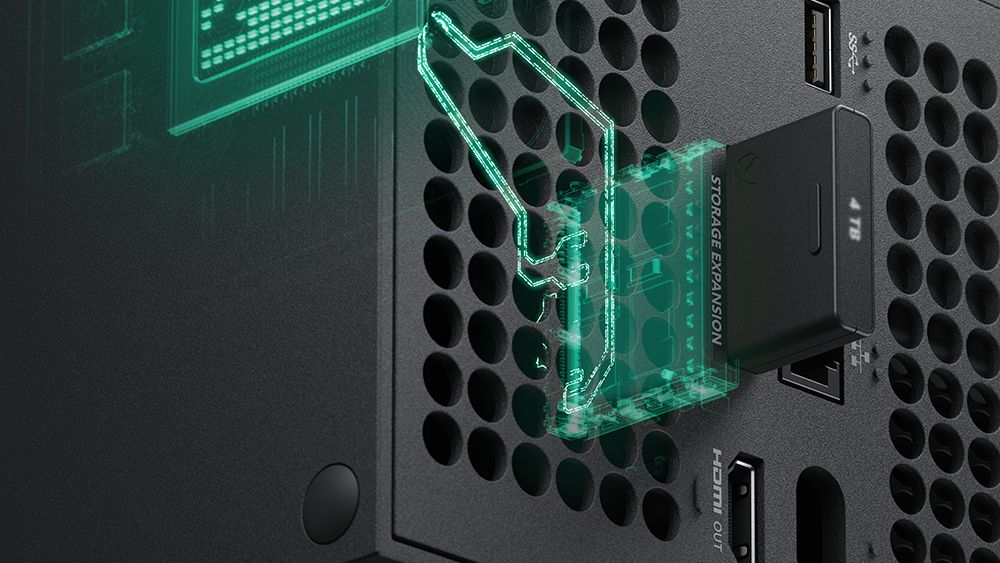
You can use Xbox Expansion Cards on PC with a CFexpress adapter since these cards use a standard CFexpress Type-B connector. There are various options available such as PCIe to CFexpress or M.2 to CFexpress, and all of them are inexpensive. You just need to format the Expansion Card before it's useable, but don't expect blazing-fast speeds afterward.
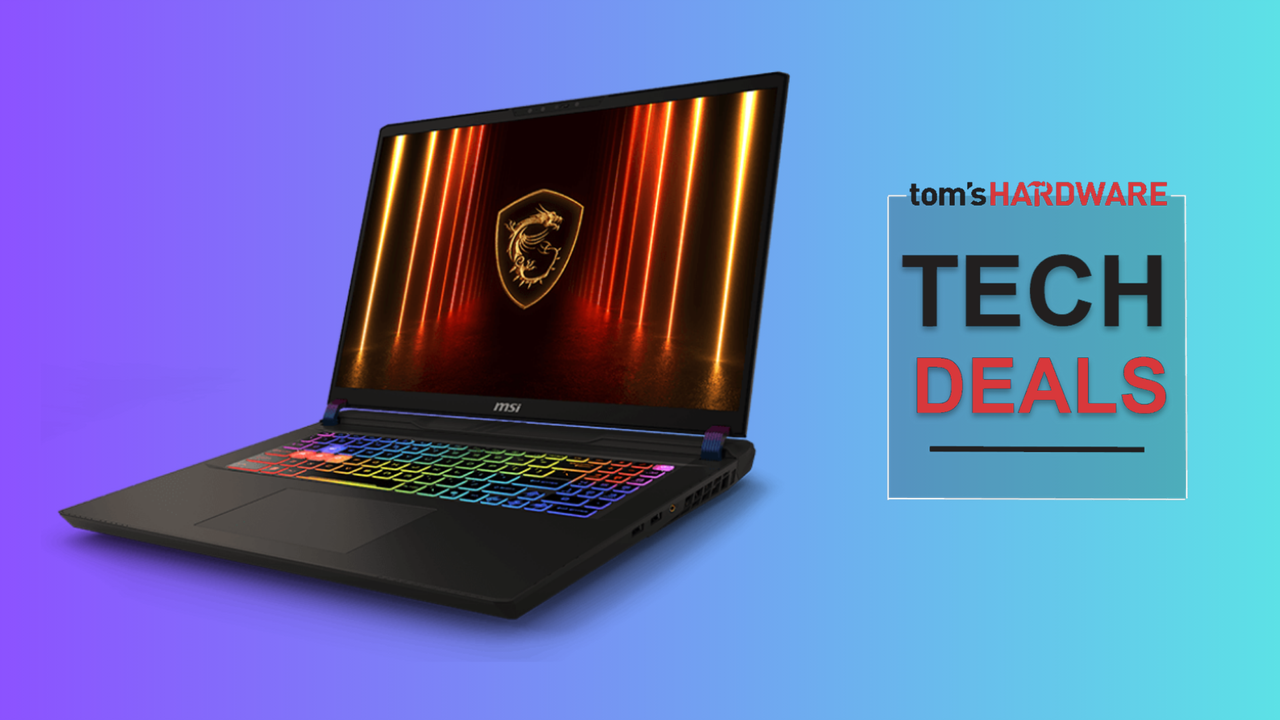
MSI has put its Vector 16 gaming laptop on sale for just $1,529 at Newegg, offering a solid discount for a beastly hardware combo. You get a Core Ultra 7 255HX paired with a 140W RTX 5070 Ti, 16GB of RAM, and a 512GB SSD, all of which are upgradeable. All that is backed up by a 90 Wh battery and displayed on a 144 Hz FHD+ screen.
Meta's Quest 3 lineup was known for offering an excellent value proposition, giving players a powerful, untethered VR experience without breaking the bank. Unfortunately, the AI boom is at the door, and Meta is now raising the price of the Quest 3 by $100, to $600, while the cheaper Quest 3S is getting hiked by $50.
Your Steam games are about to get some new glanceable information next to their price boxes, according to recent changes discovered in the client's backend. Valve might be adding a 30-day price tracker to the platform, letting you see if the game currently costs the lowest it has been in the last month.
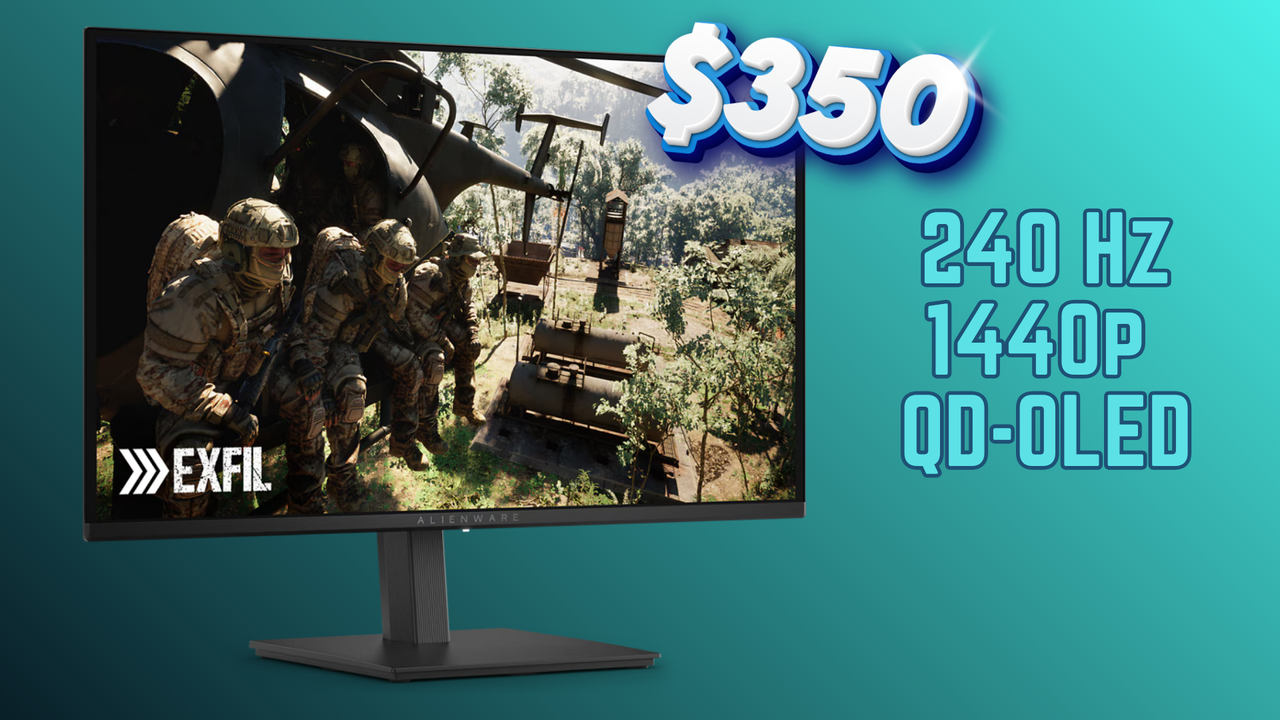
Entry-level OLED monitors used to cost $500 last year, but you could find them for a bit less on sale. Now, Alienware has just launched the AW2726DM for $350. That's the MSRP, not a discounted price. For that money, you get a 27-inch gaming monitor featuring a 1440p 240 Hz QD-OLED panel with FreeSync Premium.
A new leak claims Intel is prepping a 16-core CPU featuring 12 Xe3P iGPU cores, likely targeting the Ryzen G-series APUs. AMD's latest desktop APUs top out at only 8 RDNA 3.5 CUs, while the Arc B390M in Panther Lake already beats the Radeon 890M in Strix Point. That means 12 Xe3P cores on an NVL-S chip would be a heaven-sent for gamers.
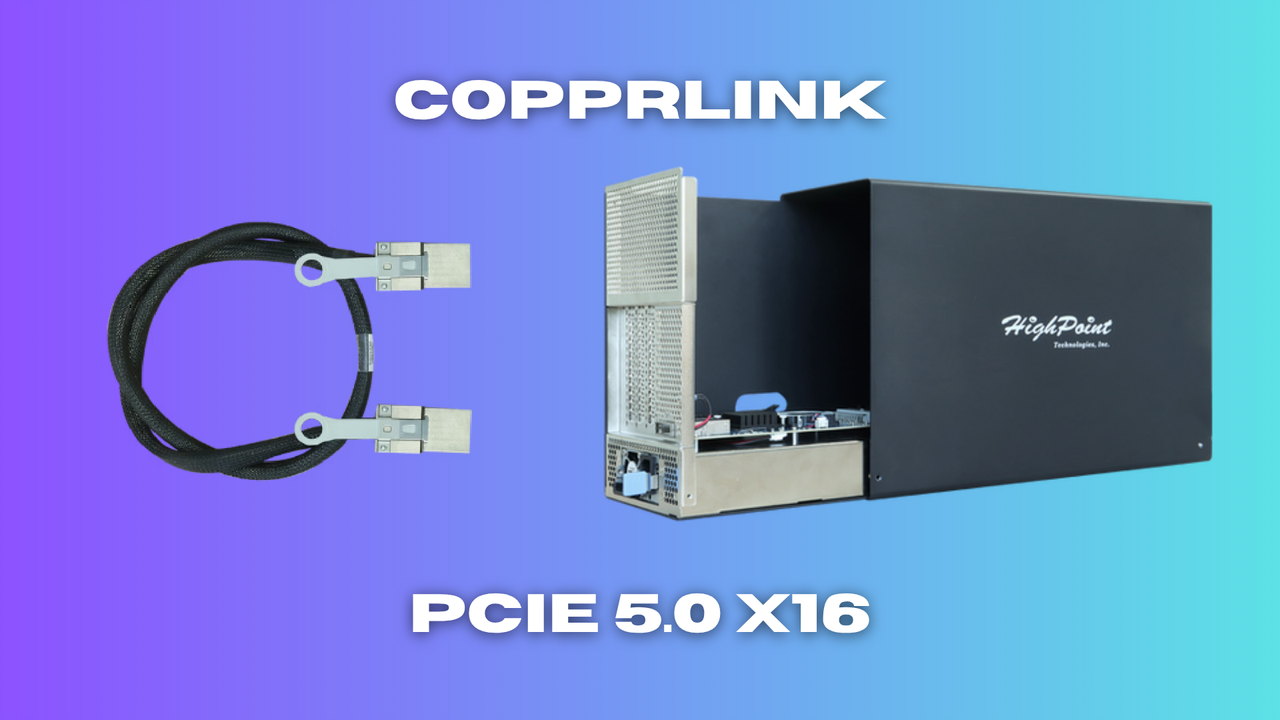
An RTX 5090 plugged into this eGPU using the CopprLink standard was able to get essentially the same level of performance as the GPU directly plugged into the motherboard. The setup requires a $1,300 enclosure and a $1,000 adapter card, and it's only meant for enterprise markets, but it shows what the future of eGPUs could be for consumers.
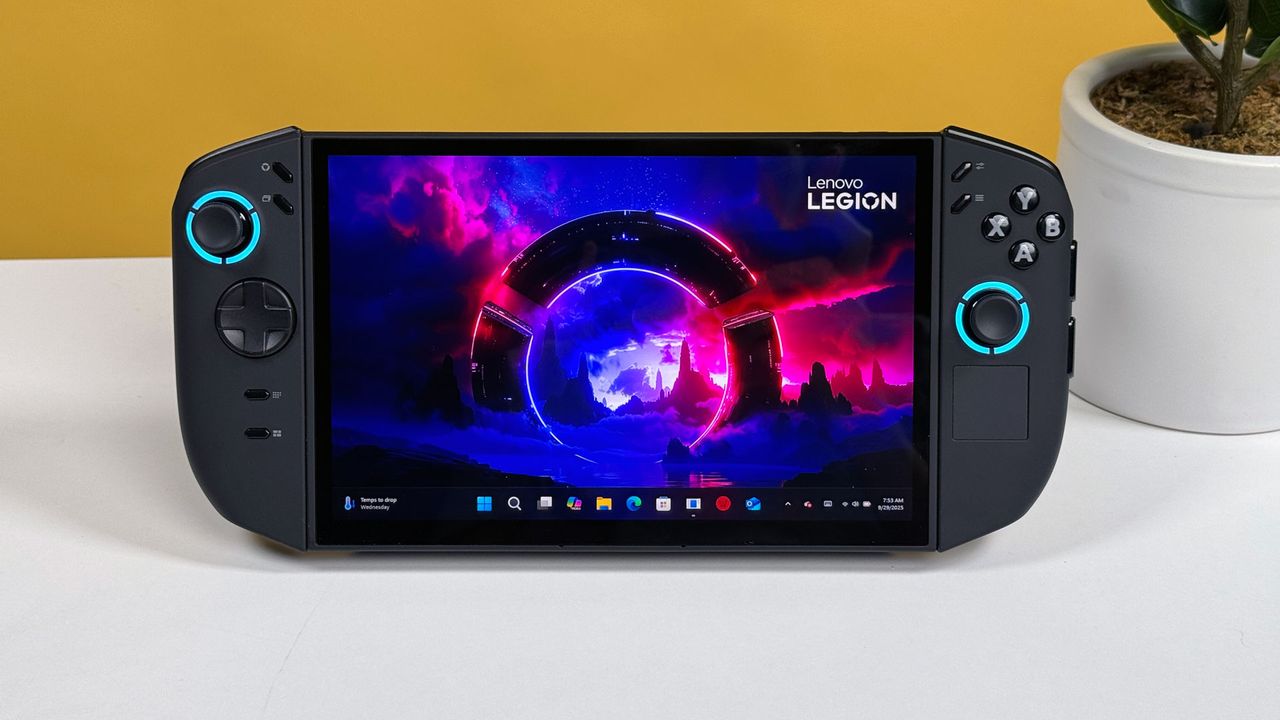
Lenovo has raised the prices of its Legion Go 2 handhelds (with Z2 Extreme) across the board, with the worse offended being the 2 TB model, receiving a 93% hike. It went from $1,480 at launch to a staggering $2,850 in the span of just a few months, while the 1 TB model is now $2,000, up from $1,350 at launch.

 Anmelden