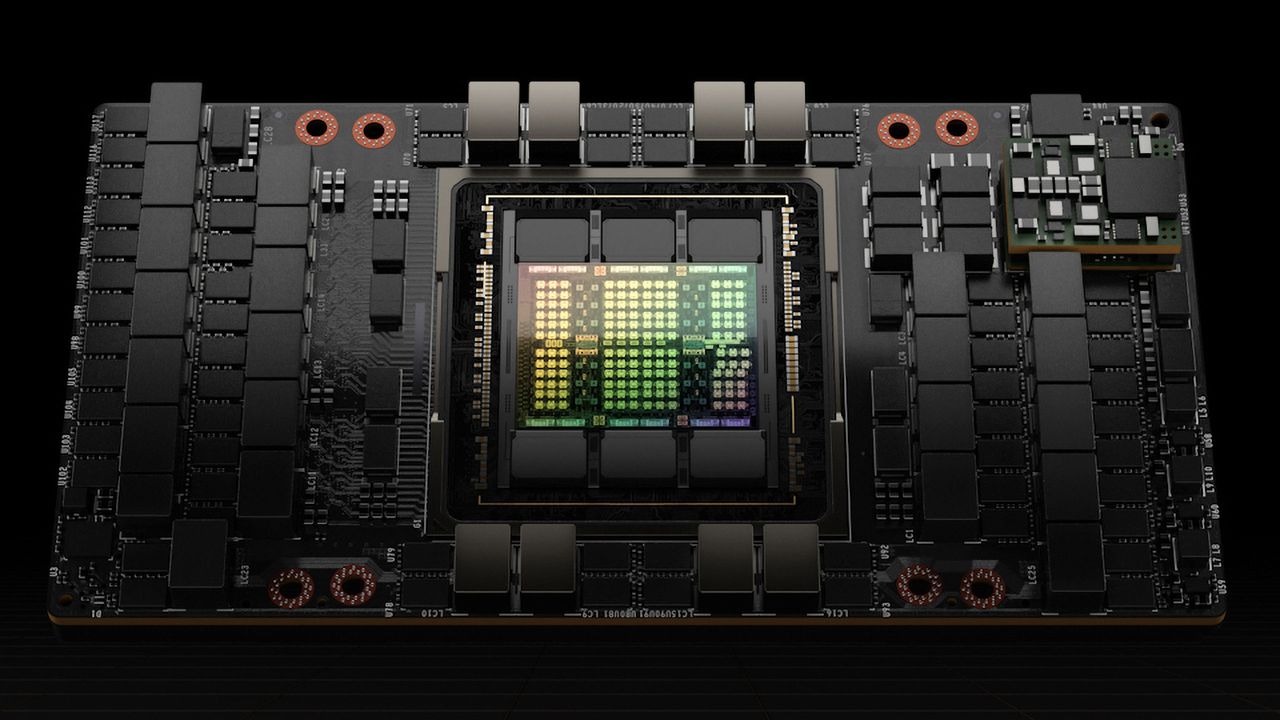
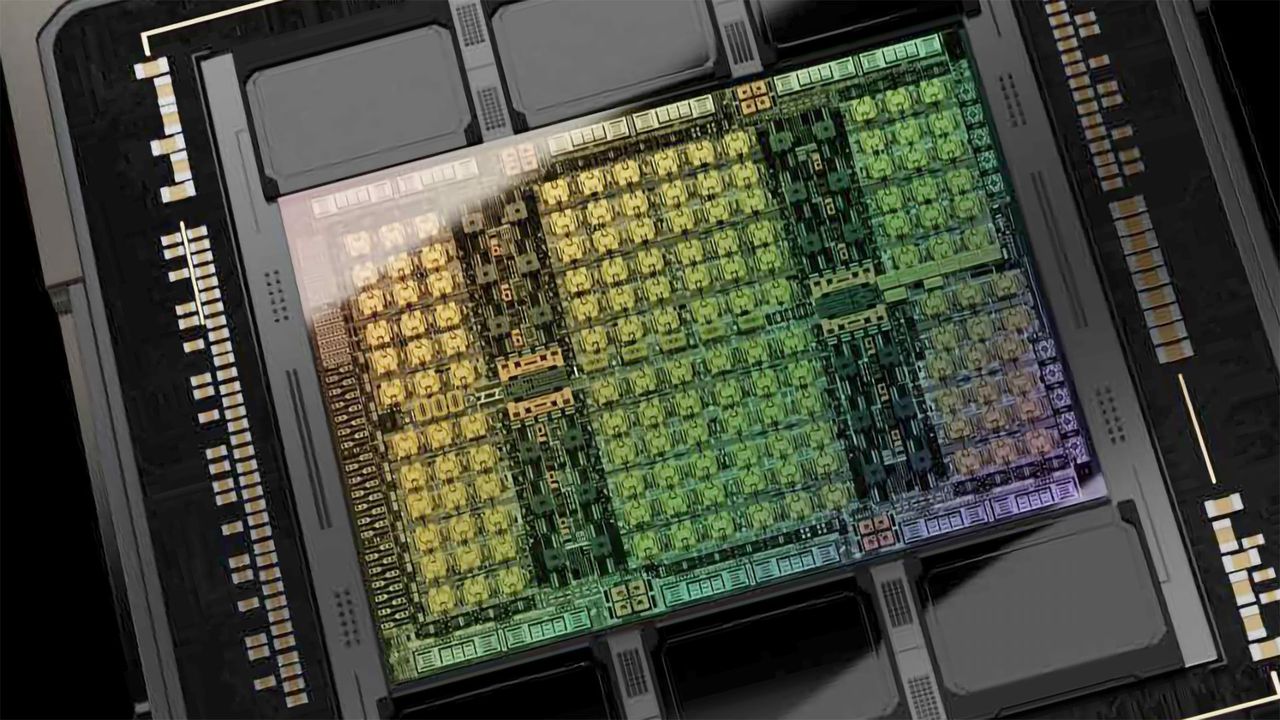
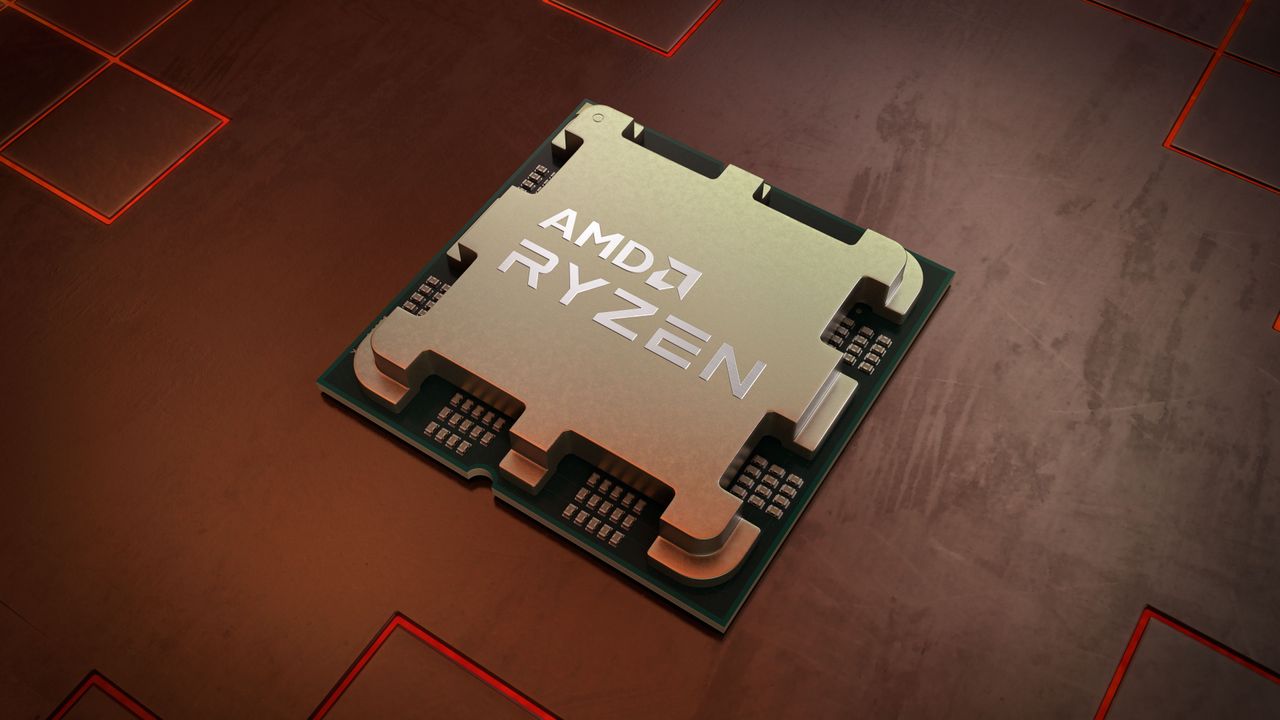
The SAFE Chips Act proposed by a bipartisan group aims to lock current export rules into law, preventing AMD and Nvidia from selling any AI accelerators based on the latest architectures to China for the next 30 months and forcing companies to compete with H20 and MI308 against China's latest AI processors.
AWS is taking pages from Nvidia's book with its new Trainium3 AI accelerators and Trn3 Gen2 UltraServers that are now built entirely on in-house silicon and are accompanies by the enhanced Neuron software stack that simplifies their adoption and gives users more controls over performance and behavior.
Cash influxes from the U.S. government, Nvidia, and SoftBank stabilized Intel enough to cancel plans to spin out its networking and communications division.
The U.S. House shelved the GAIN AI Act, blocking a rule that would have forced AMD and Nvidia to put U.S. buyers ahead of China for advanced GPUs, though Beijing's own limits blunt the impact.
AMD's MSRPs for Radeon RX 9000-series graphics cards may increase by $20 - $40 amid rising GDDR6 prices depending on the model, if new rumors are true.
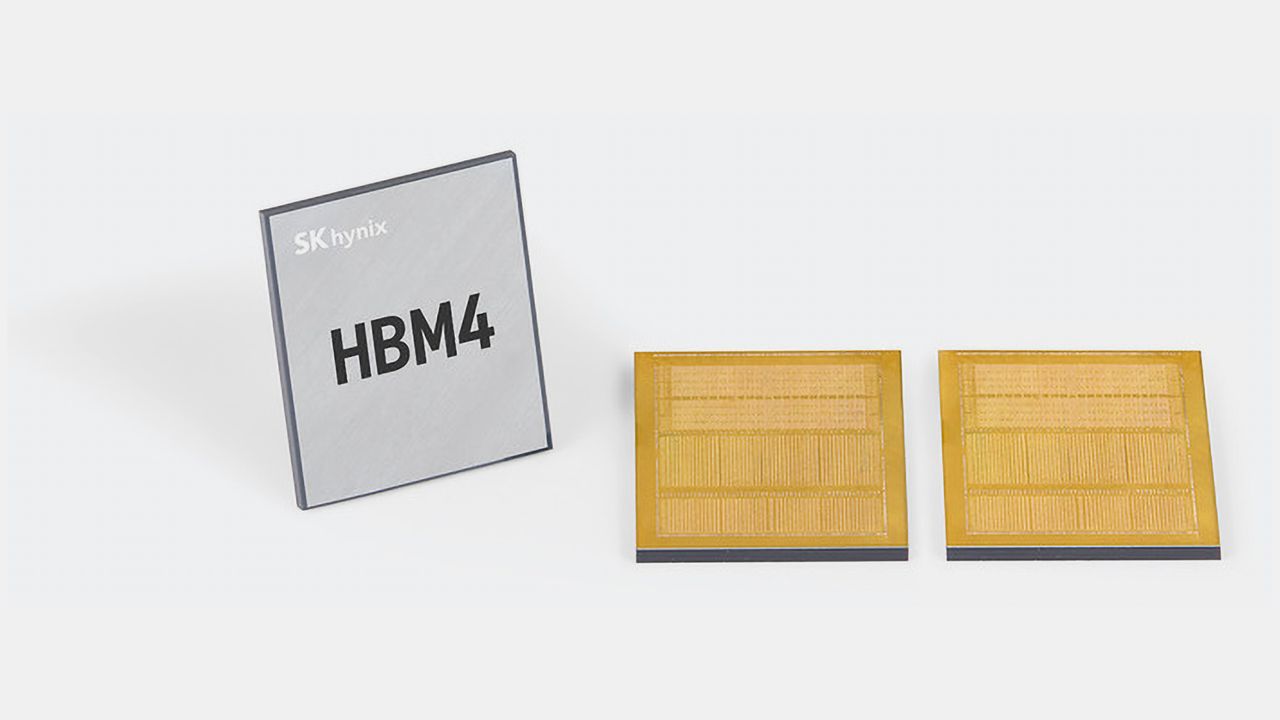
HBM is undergoing its first major architectural overhaul in a decade, as HBM4, HBM4E, and C-HBM4E will introduce a 2048-bit interface, logic-node base dies, and optional custom memory logic inside base dies, enabling up to a 2.5X performance leap between 2025 and 2027.
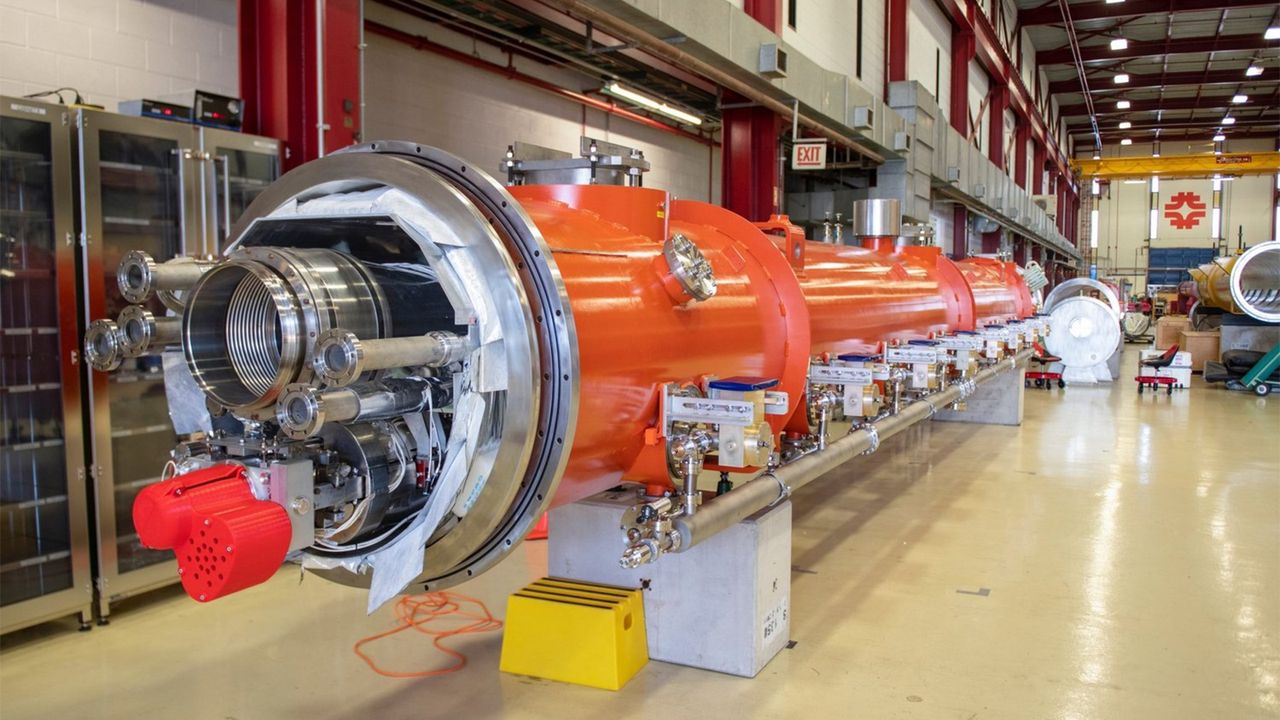
U.S. government to inject up to $150 million in xLight, a startup developing EUV light source based on a particle accelerator, with the first CHIPS and Science Act grant by the Trump Administration.
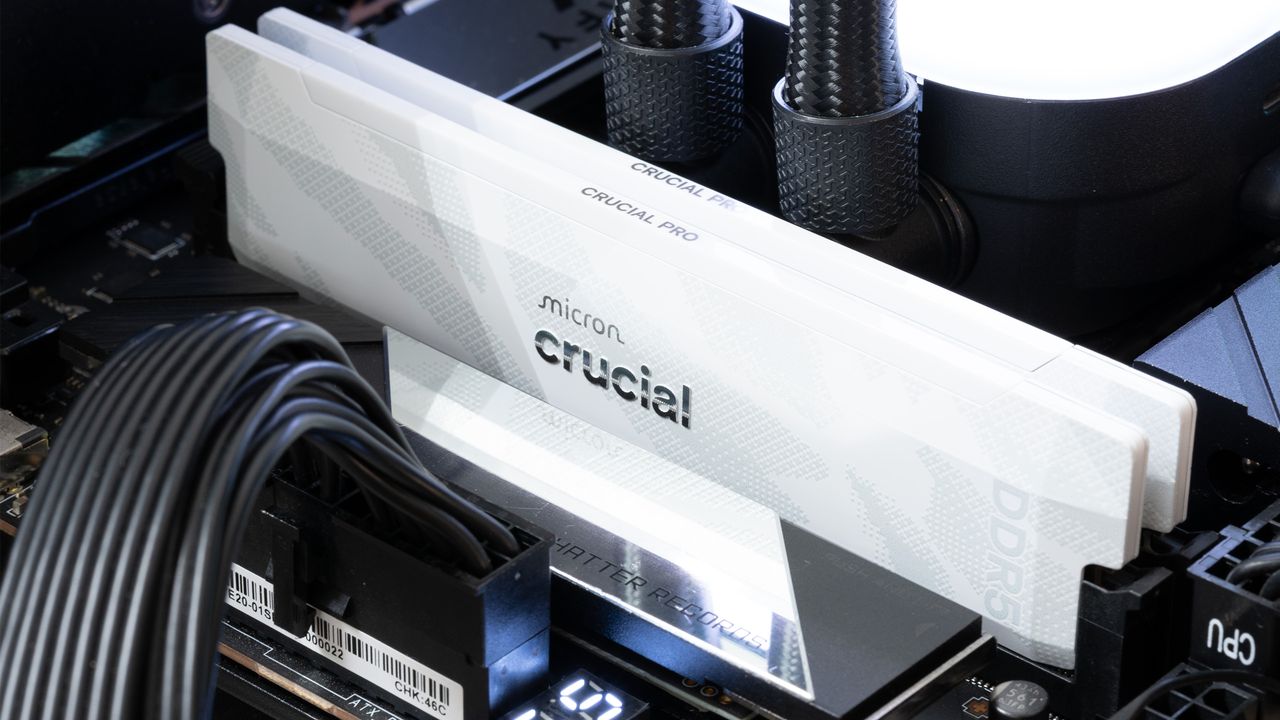
The diversion of DRAM capacity into HBM for AI has already doubled memory prices, pushed DDR5 above $27 per 16 Gb, and, according to Gerry Chen of TeamGroup, will leave the market short through at least 2027–2028 as new fabs come too late to relieve supply.
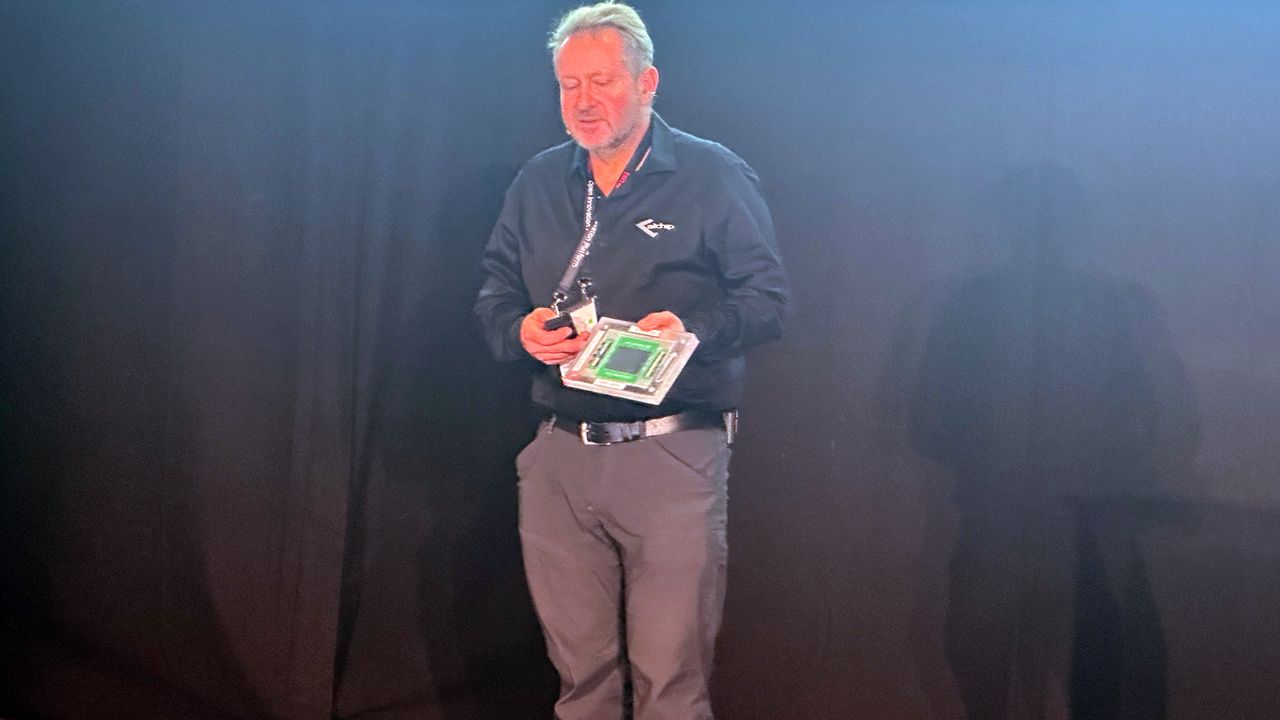
Alchip and Ayar Labs team up to build optical connectivity solution based on TSMC's COUPE framework that lets fabless chip designers to easily add optical connectivity to their designs.
Despite sanctions and a lack of leading-edge fab tools, CXMT keeps developing new DDR5 and LPDDR5X memory chips that offer higher capacity and performance than their predecessors. However, the big question is whether it can produce DDR5-8000 and LPDDR5X-10667 in high volumes.
A supplier power fault briefly stopped TSMC’s Fab 21 in Arizona and led to some wafer losses. But TSMC has learnt from the occurrence, says the company.
TSMC initiates legal action against Wei-Jen Lo, who retired from TSMC this summer, signed a non-compete agreement, but subsequently joined Intel as Executive Vice President.
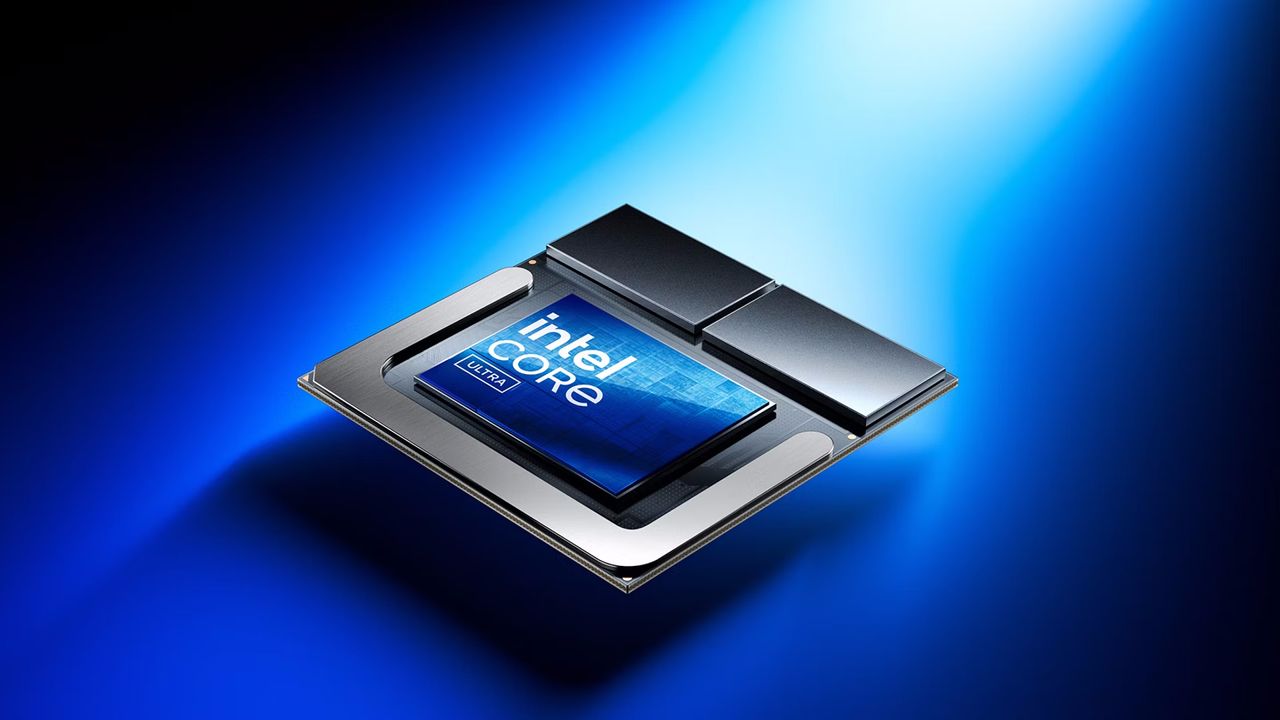
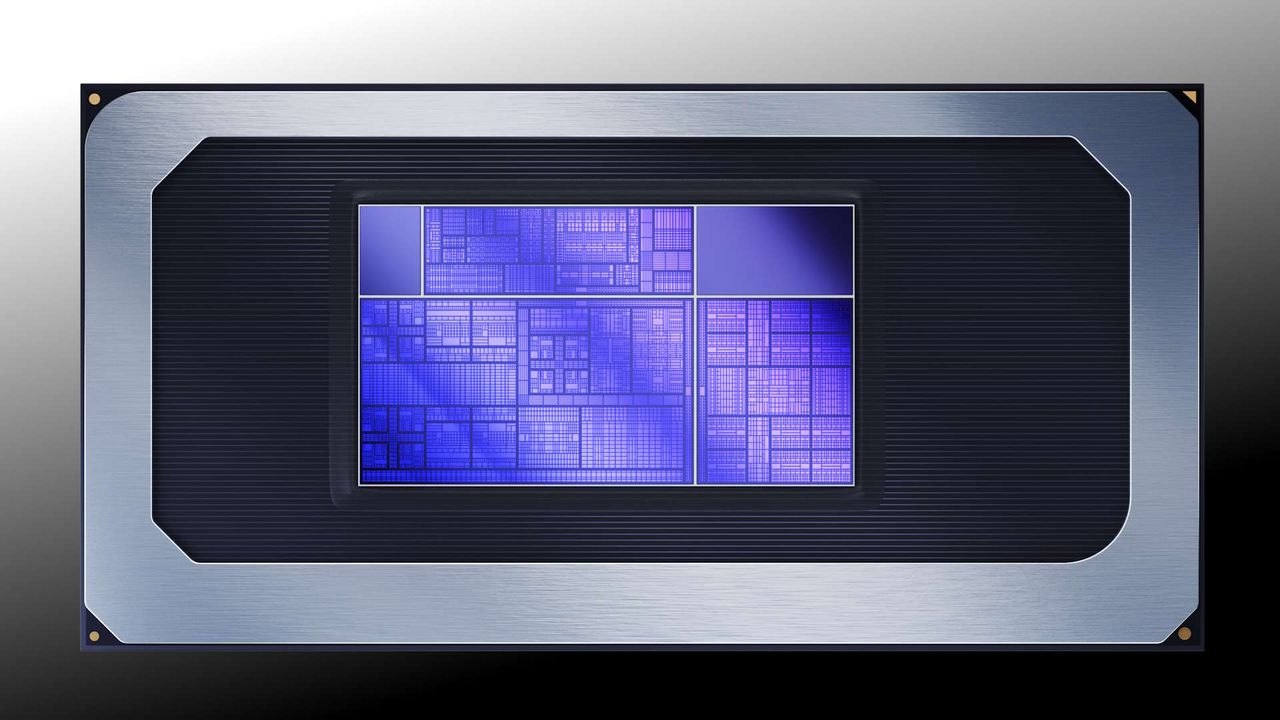
There's good news and band news for Intel's Panther Lake and 18A. Bad news is that its yields are likely still very low. Good news is that their improvement are on the industry-standard yield ramp pace, which means that Intel is on track to hit industry-standard yields in early 2027.
Dell and HP are shipping many entry-level and midrange business laptops with HEVC/H.265 hardware decoding intentionally disabled, likely to avoid rising codec royalty costs.
AMD begins hardware enablement for GFX 12.1 IP, which could point to next-generation Instinct MI400-series GPUs, or future integrated GPUs based on the RDNA 4 architecture.
 Anmelden