AWS's new 192-core Graviton5 processor with a massive 180 MB L3 cache marks the company's most ambitious in-house CPU yet, which could enable it to replace more AMD and Intel servers in its cloud.
JEDEC is nearing completion of SPHBM4, a standard that enables full HBM4 bandwidth over a 512-bit interface using a 4:1 serialization, reusing standard HBM DRAM dies and a base die. The tech promises to enable a 2.5D integration on organic substrates to support up to 64 GB per stack and more stacks than HBM4 and HBM4E.
Nvidia's GPU fleet management software can track spikes in power usage, monitor utilization, detect hotspots, spot anomalies, identify software errors, and detect the physical location of processors. However, the software is completely optional for its clients.
TechInsights says Huawei's Kirin 9030 is built on SMIC’s N+3 process: an incremental, DUV-based extension of its 7nm-class technology that pushes density without EUV but falls well short of true 5nm nodes amid rising yield challenges.
Chinese government began to add government-approved AI suppliers to the Information Technology Innovation List in a bid to accelerate deployment of domestic hardware. But can Chinese semiconductor industry satisfy the needs of domestic AI industry?
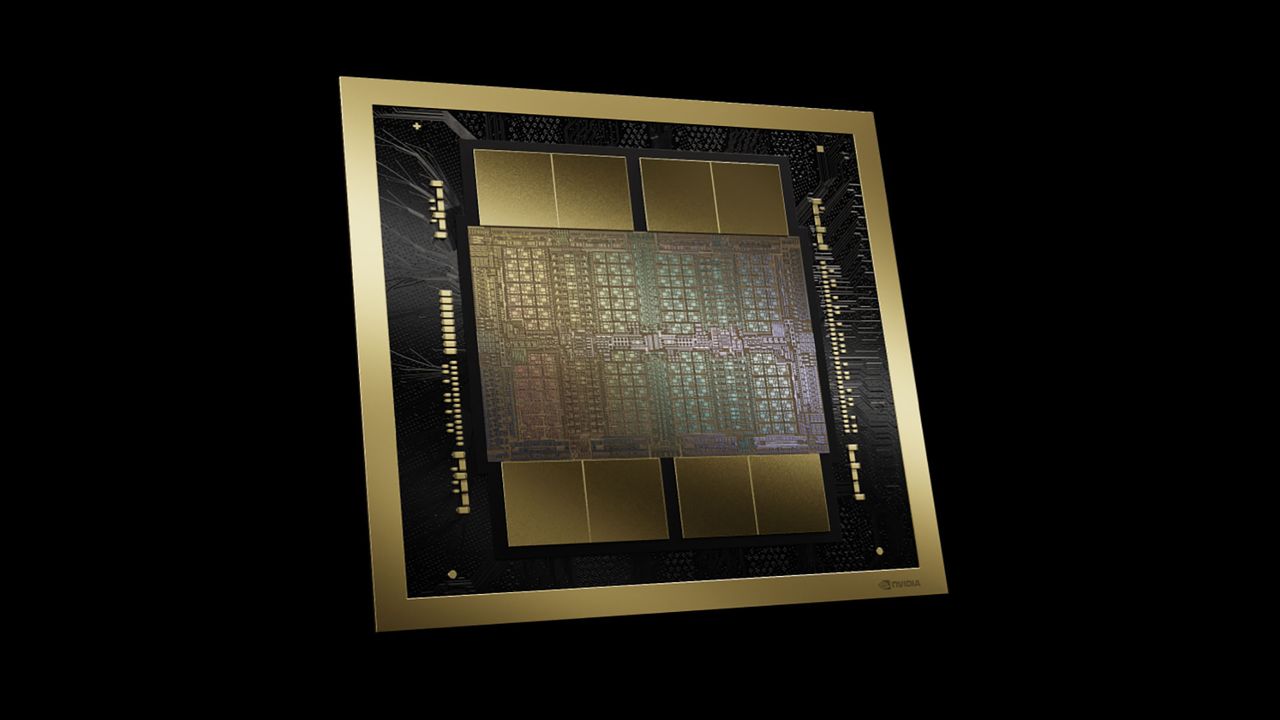
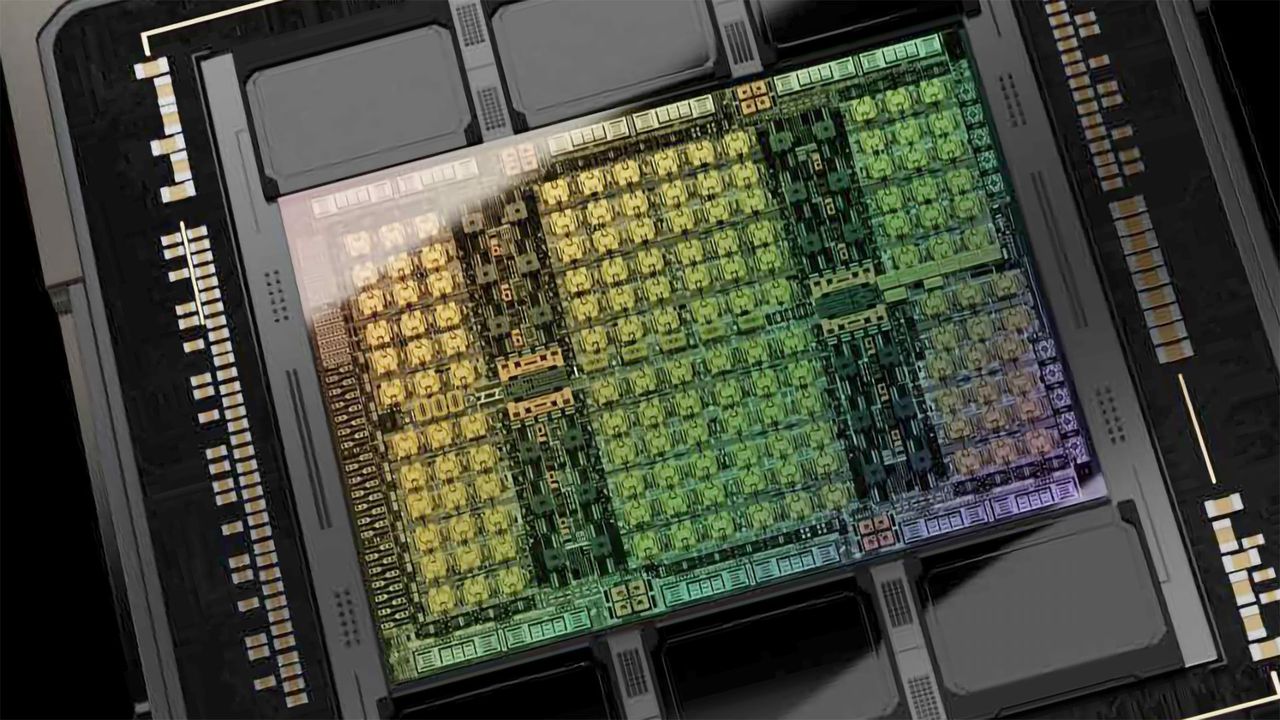
Nvidia has quietly developed a software-based location-verification system for its Blackwell-generation GPUs that can approximate where the hardware is operating, which could prevent smuggling of AI GPUs to China.
The U.S. government is reportedly preparing to let Nvidia ship its H200 accelerators to China, a move that could restore Nvidia’s influence in the Chinese AI market and reinforce CUDA’s dominance, but the question is if Beijing agrees to accept this hardware.

 Anmelden