Nvidia nutzt die CES 2026 für die Vorstellung von DLSS 4.5. Während Besitzer einer GeForce RTX 50-Grafikkarte bald eine 6-fache Frame-Generierung erhalten, profitieren Nutzer älterer RTX-GPUs von einer besseren Bildqualität. Wir fassen die Details zusammen. (Weiter lesen)
China’s two largest pure-play foundries, SMIC and Hua Hong Semiconductor, are in the middle of significant consolidation efforts that demonstrate how industrial policy is reshaping the country’s chip sector.
The U.S. Department of Commerce didn't renew the validated end-user status of these chipmakers, requiring them to acquire annual licenses to import chipmaking tools containing U.S. tech into their Chinese fabs.
Huawei used its New Year message to highlight progress across its Ascend AI and Kunpeng CPU ecosystems, pointing to the rollout of Atlas 900 supernodes and rapid growth in domestic developer adoption as “a solid foundation for computing.”
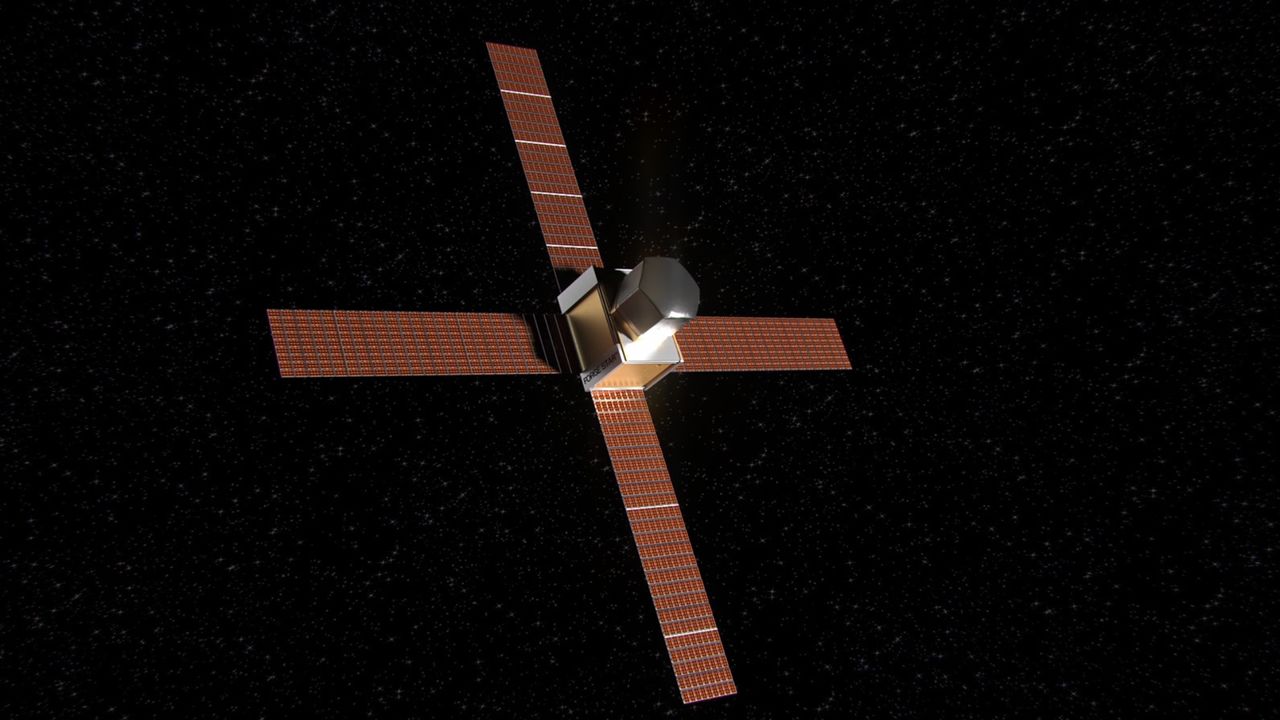
British startup Space Forge has just successfully turned on its first in-orbit furnace, reaching 1,000 degrees Celsius in space. This is a crucial first step for the company in studying the feasibility of manufacturing chips in space.
Beijing says that the Netherlands is not taking steps to resolve the Nexperia issue, thus extending the chip shortage affecting automotive makers across the globe.
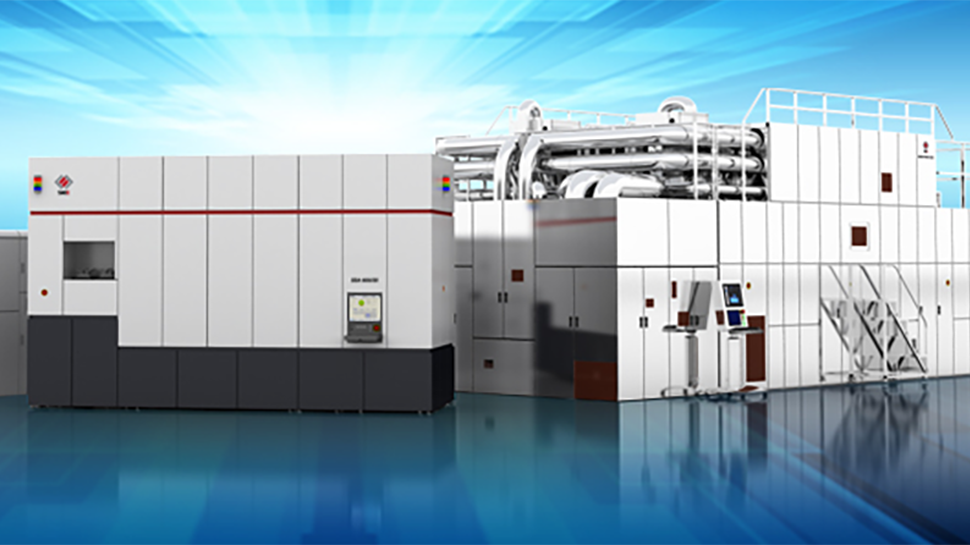
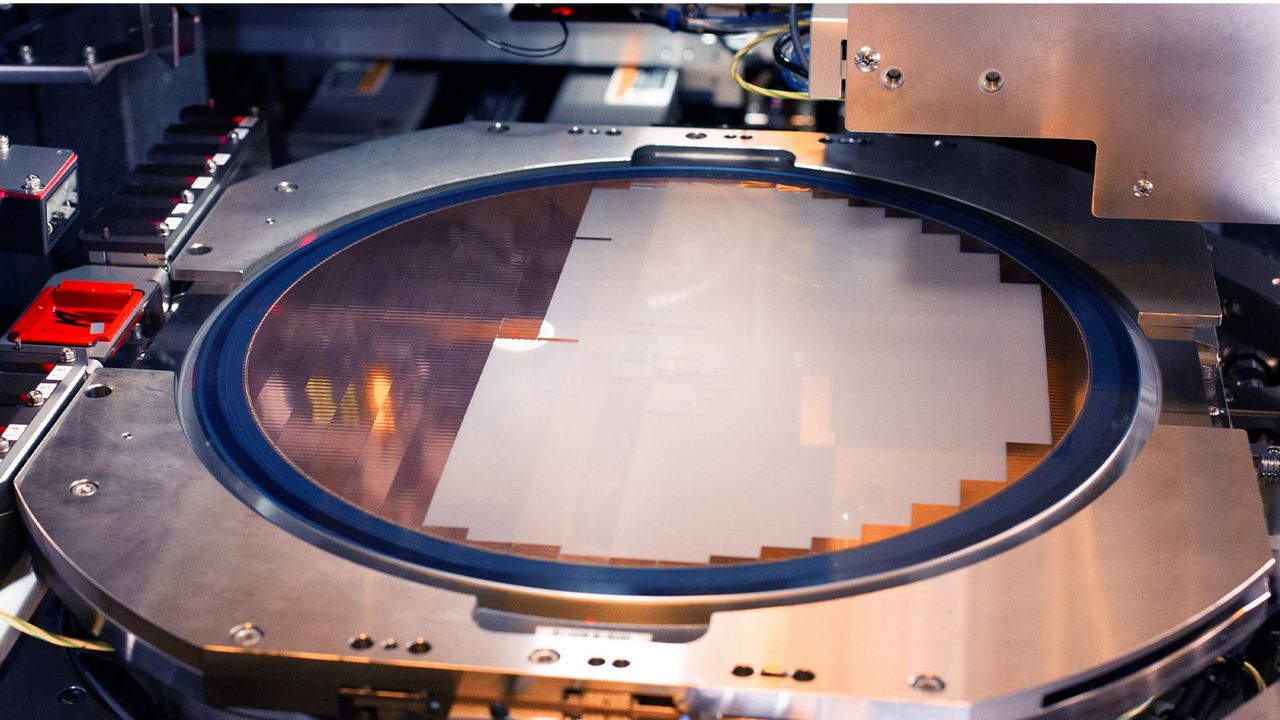
China has quietly mandated that at least 50% of equipment used for new semiconductor capacity be domestically sourced. However, as China's industry cannot produce enough lithography tools, authorities tend to get flexible and allow foreign alternatives in.
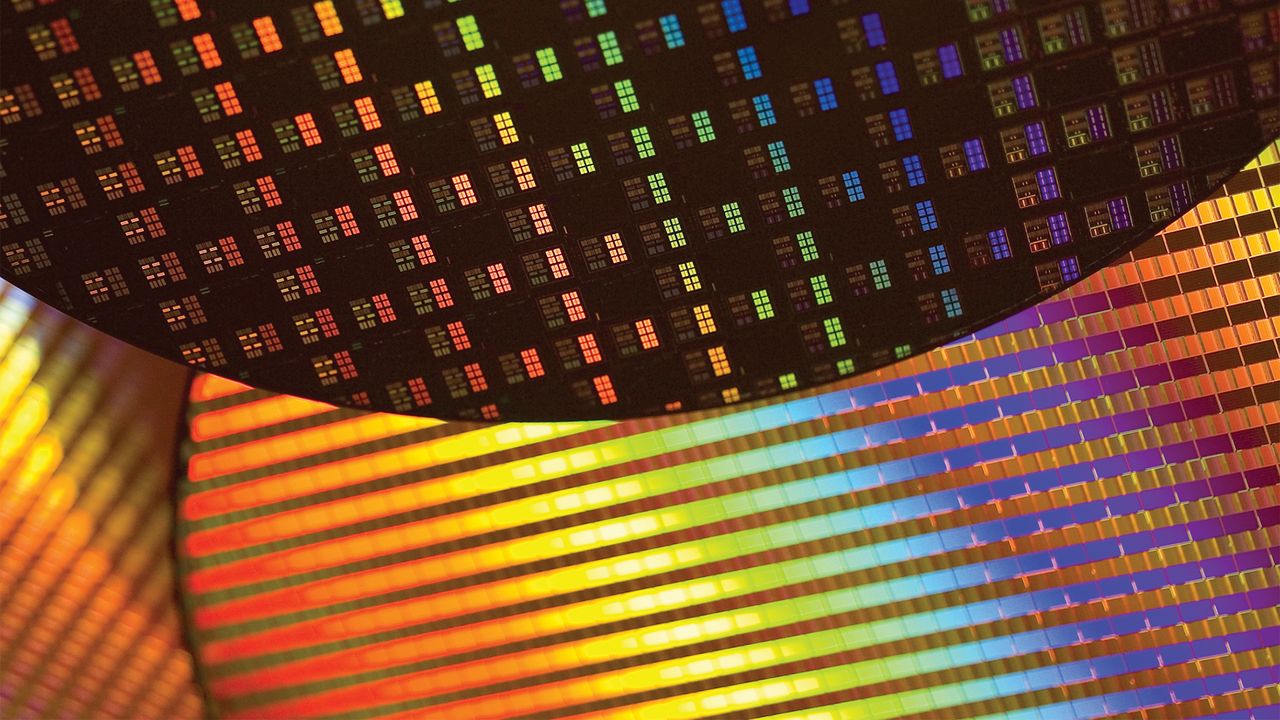
TSMC has quietly begun volume production of its 2nm-class N2 process in Q4 2025 as planned, marking the company’s first GAA nanosheet node that will be ramping production at two new fabs to meet strong demand from various customers.
EUV lithography era in chipmaking began in 2019 and there are no signs that this is going to stop as process technologies are getting more complex. However, there are fundamental reasons why TSMC's quotes are rising quicker than its costs and its customers are not leaving for other foundries.
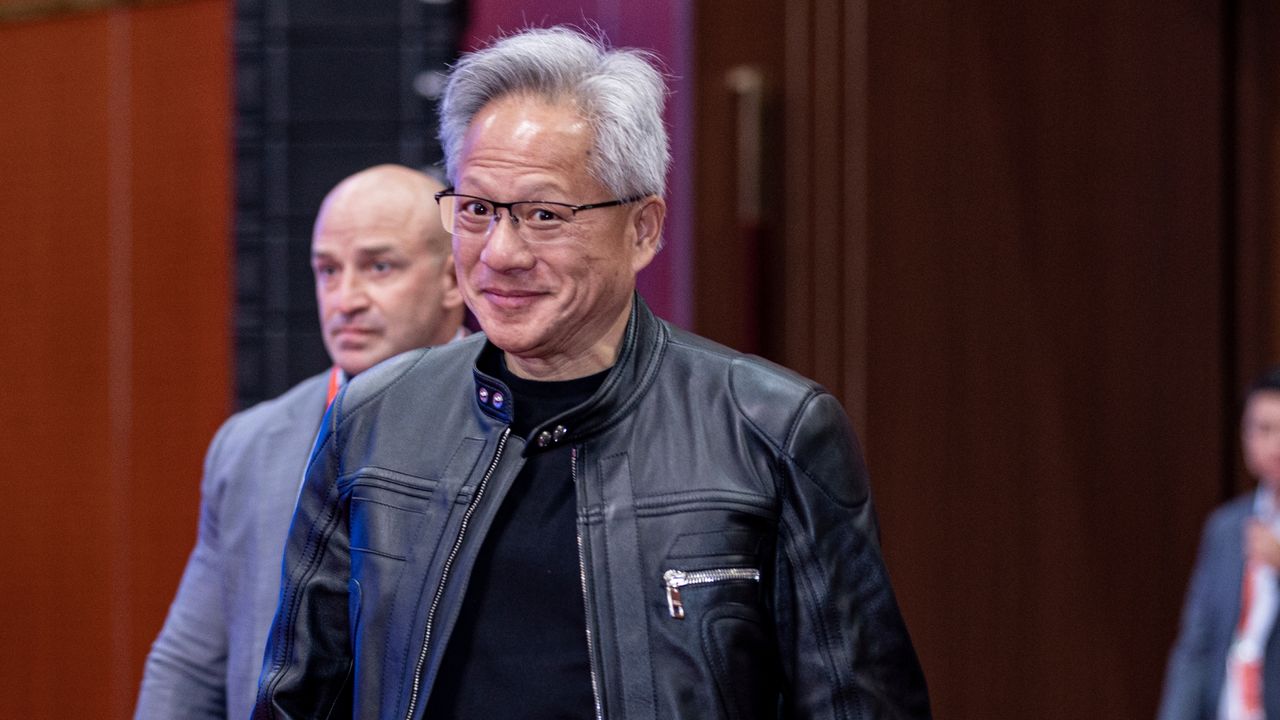
Nvidia has announced a $20 billion deal to acquire Groq’s intellectual property, though not the company itself, and absorb key members of its engineering team.
Yesterday, the ground shook off the coast of Taiwan, slamming the country with the strongest earthquake in 27 years. The seismic wave registered 7.0 in Taiwan's scales, or 6.6 to 6.7 according to the USGS standard. Thankfully, according to reports, TSMC's factories are all intact, saving the world from yet another spike in chip prices.
Nexperia’s China unit is moving to line up new wafer suppliers over the next six to nine months amid a deepening legal and operational dispute with its Dutch parent company.
Intel Foundry has released a video of a multi-chiplet 2.5D/3D processor with a 10,296 mm^2 silicon footprint, including leading-edge technologies such as 14A and 18A.
The adjustment comes as China’s largest foundry runs near full utilization and faces sustained demand from domestic customers building inventories of memory and logic chips.
Researchers from Northeastern University discovered that PEDOT:PSS, which is typically used in medical research, breaks down into harmful microplastics.
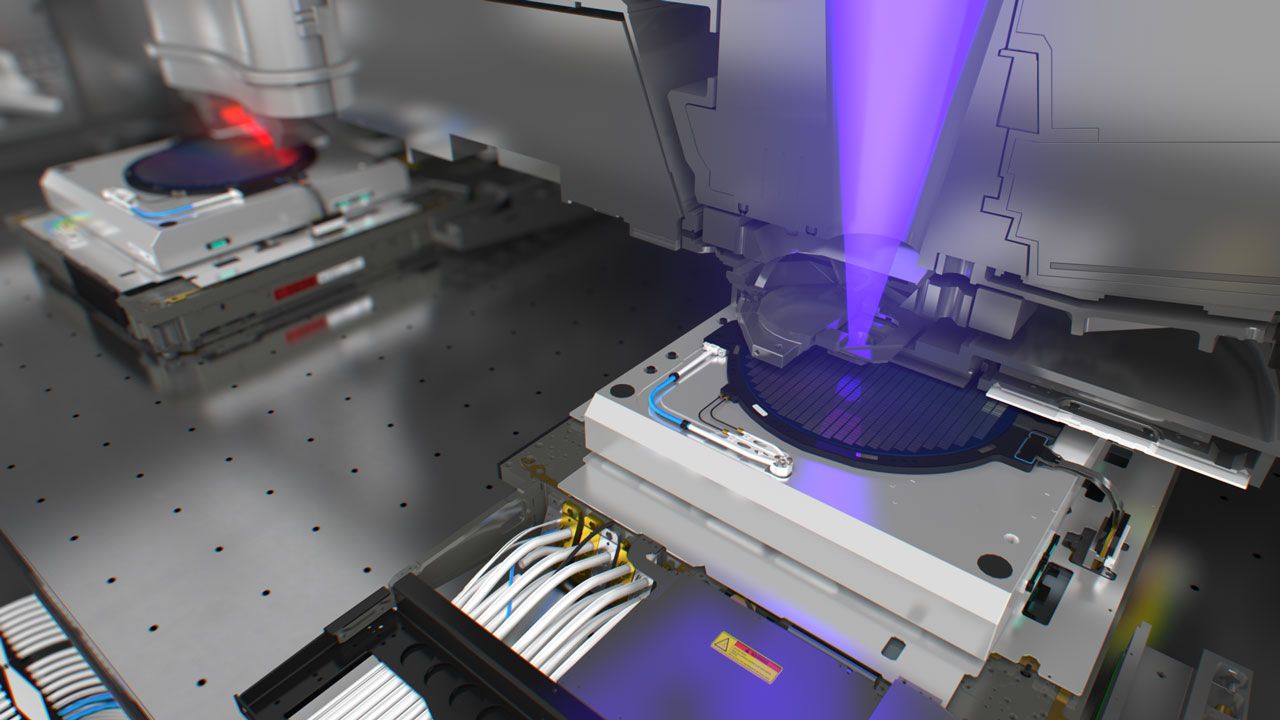
A reported attempt by a covert Chinese lab to reverse-engineer an EUV lithography scanner underscores that, despite access to scattered components, replicating ASML's EUV tools is effectively impossible without recreating the company's entire global supply chain, optics ecosystem, and proprietary software built over decades.

 Anmelden