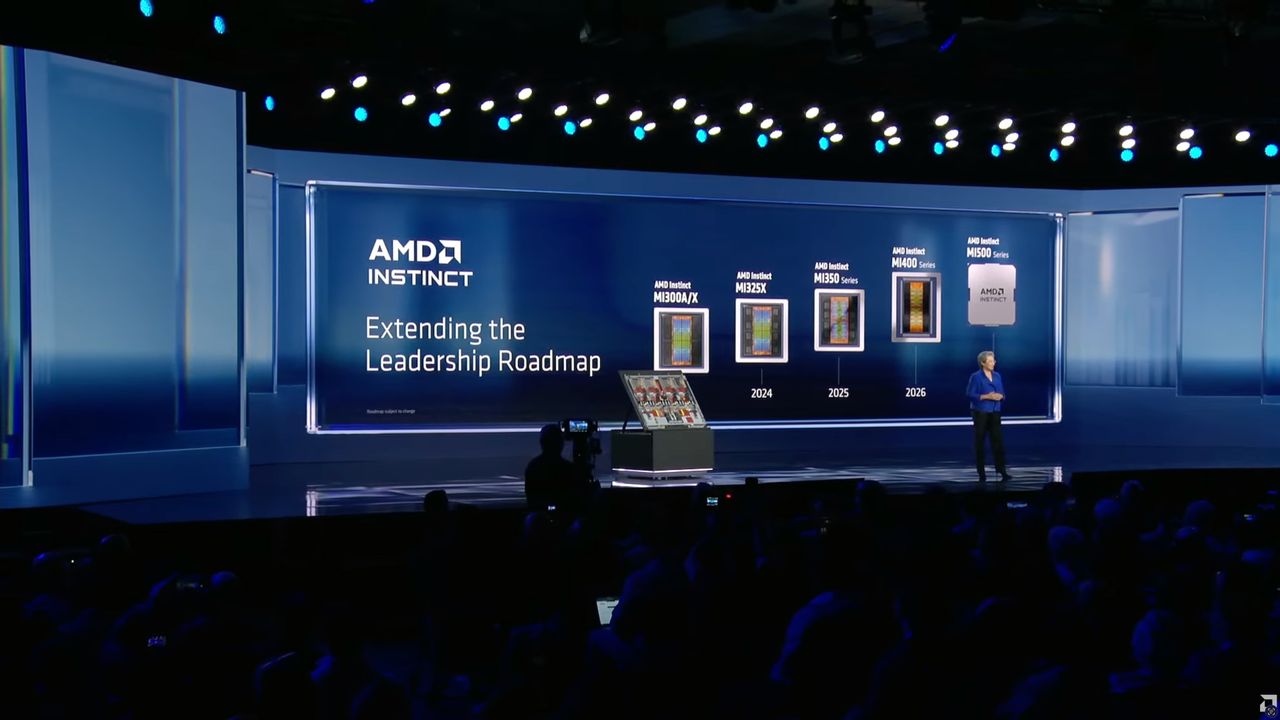
AMD announces CDNA 6-based Instinct MI500-series GPUs with HBM4E memory set to arrive in 2027 and offer 1000X higher performance compared to Instinct MI300X.
AMD reveals additional details about its strategy for AI and HPC deployments this year with EPYC 'Venice' and 'Venice-X' CPUs as well as Instinct MI430X, MI440X, and MI455X accelerators.
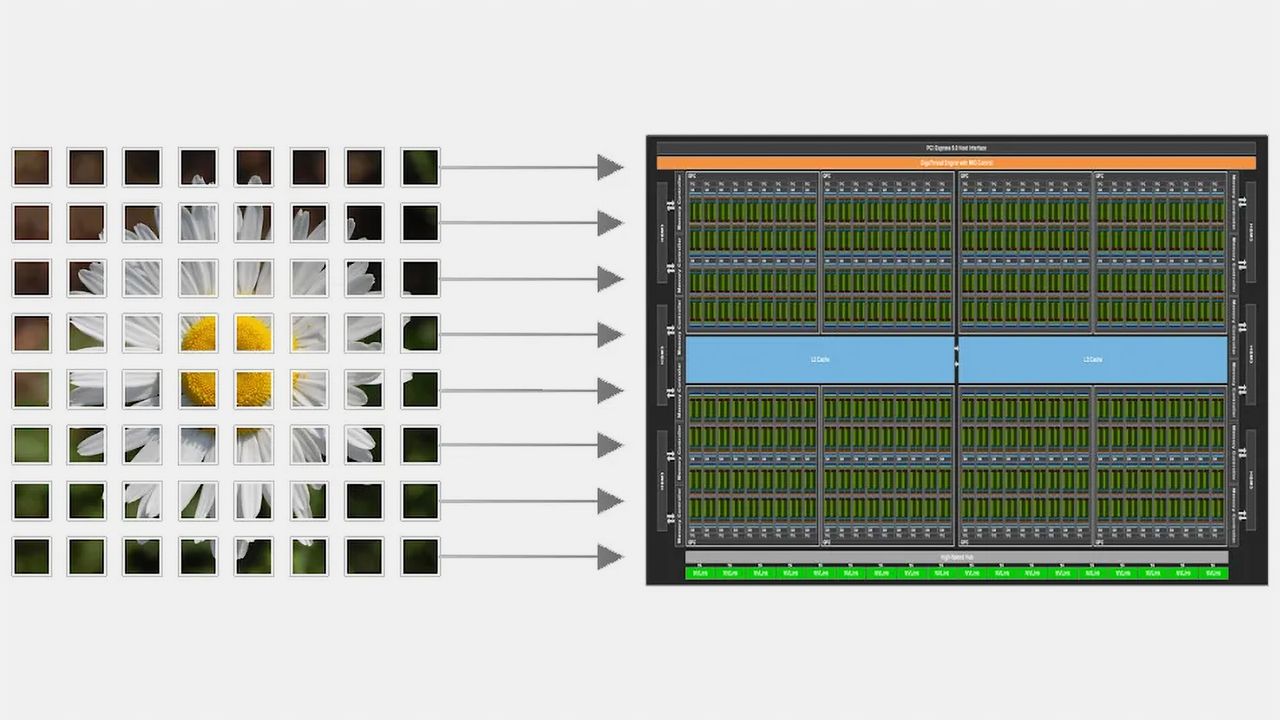
Nvidia's CUDA 13.1 introduces CUDA Tile, a new tile-centric programming path that elevates GPU kernel development above SIMT. The innovation aligns CUDA with the tensor-native execution model of Blackwell-class GPUs, and lays the software foundation for future architectures built around increasingly specialized compute and data-movement engines rather than thread-level parallelism.
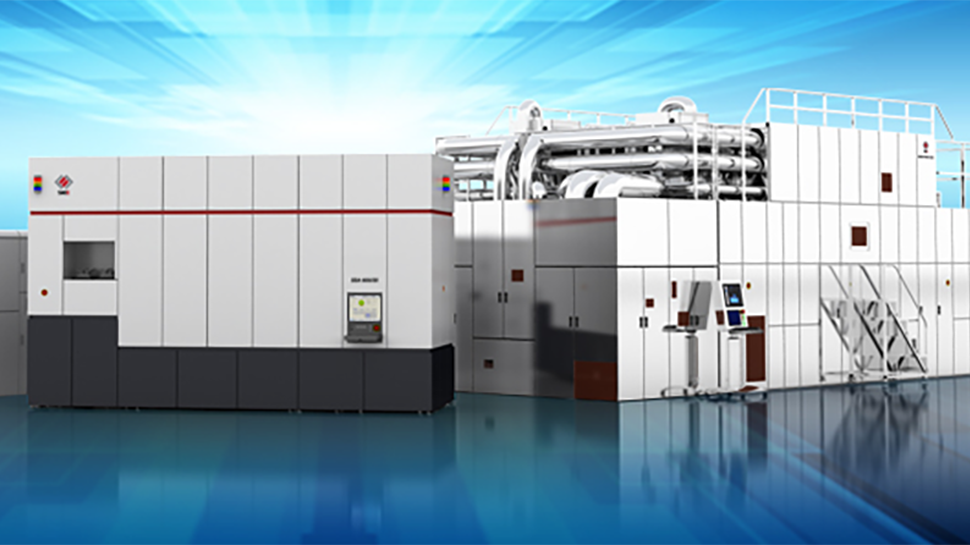
China has quietly mandated that at least 50% of equipment used for new semiconductor capacity be domestically sourced. However, as China's industry cannot produce enough lithography tools, authorities tend to get flexible and allow foreign alternatives in.
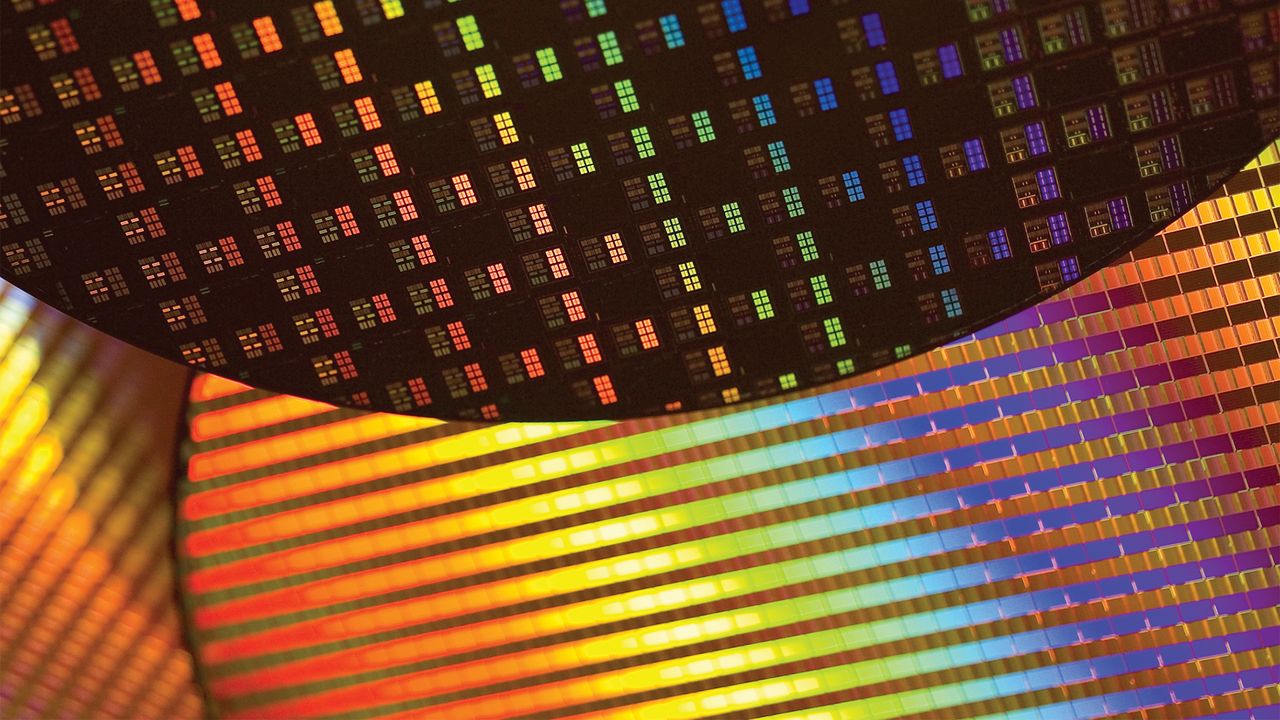
TSMC has quietly begun volume production of its 2nm-class N2 process in Q4 2025 as planned, marking the company’s first GAA nanosheet node that will be ramping production at two new fabs to meet strong demand from various customers.
EUV lithography era in chipmaking began in 2019 and there are no signs that this is going to stop as process technologies are getting more complex. However, there are fundamental reasons why TSMC's quotes are rising quicker than its costs and its customers are not leaving for other foundries.
Louis Gerstner, who took over IBM in 1993 as it stood on the brink of breakup and bankruptcy, died at 83, leaving behind a legacy defined by preserving IBM as an integrated company and changing its direction nearly entirely.
Intel Foundry has released a video of a multi-chiplet 2.5D/3D processor with a 10,296 mm^2 silicon footprint, including leading-edge technologies such as 14A and 18A.
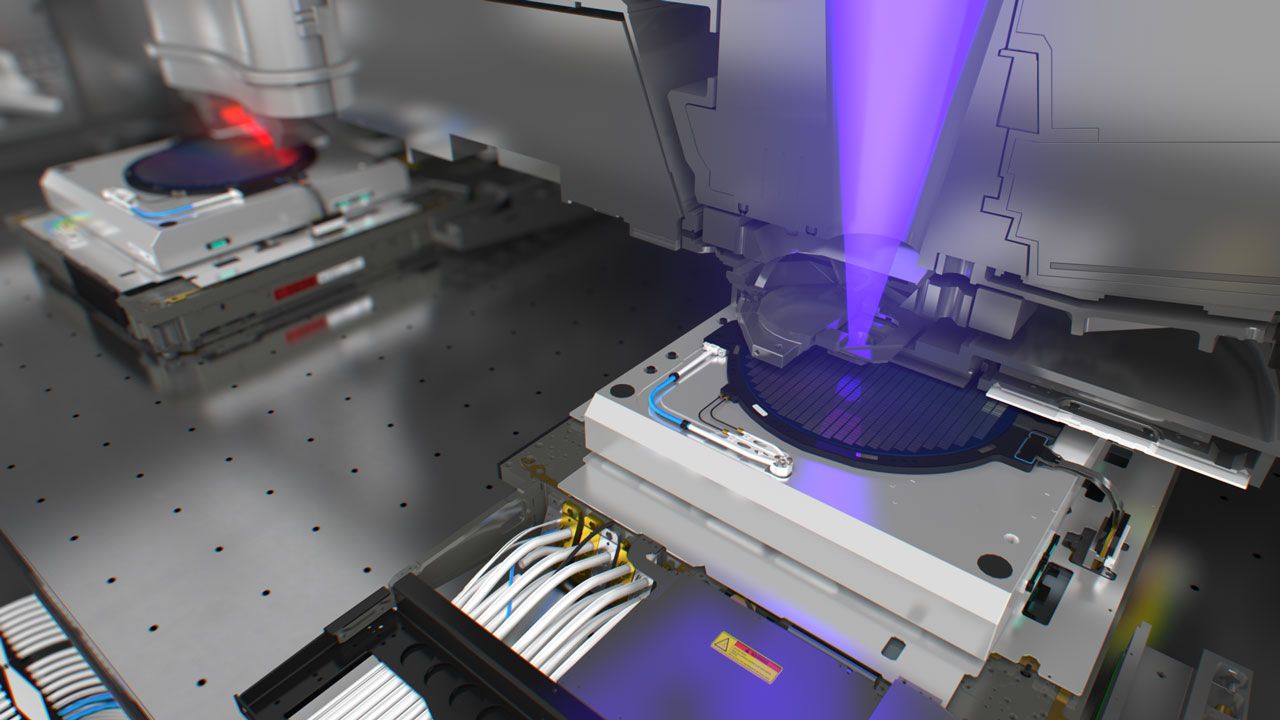
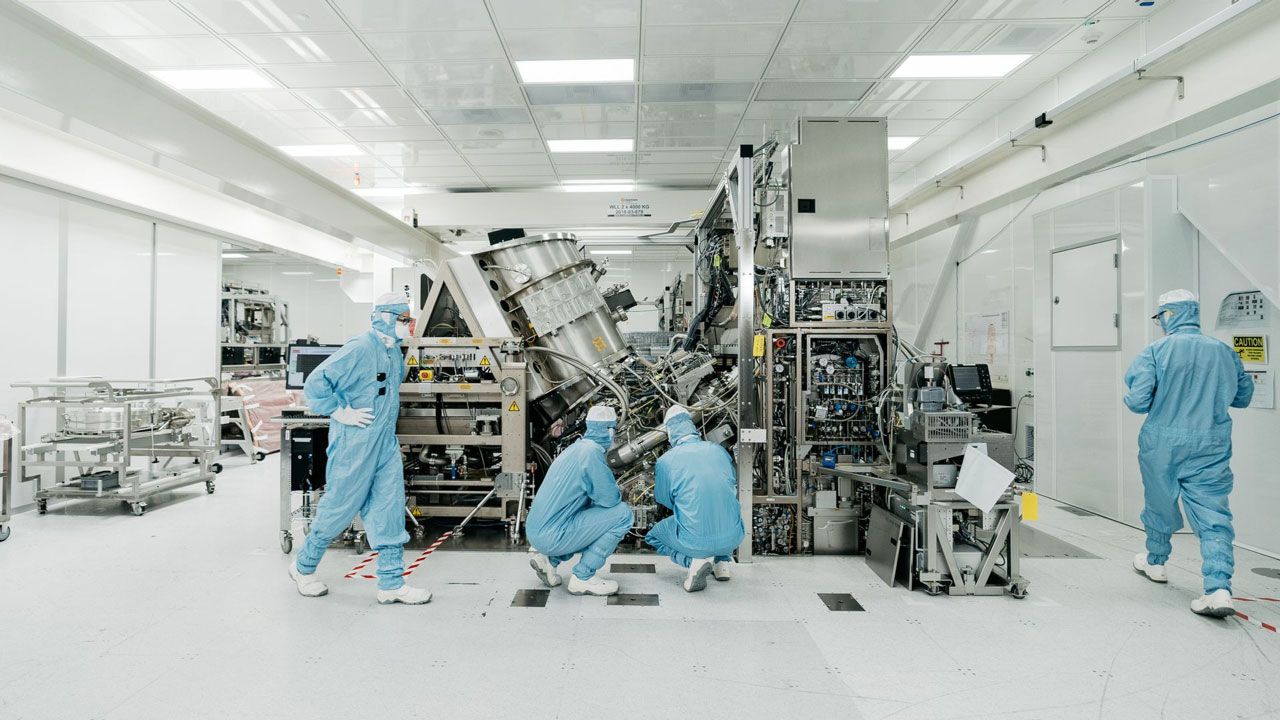
A reported attempt by a covert Chinese lab to reverse-engineer an EUV lithography scanner underscores that, despite access to scattered components, replicating ASML's EUV tools is effectively impossible without recreating the company's entire global supply chain, optics ecosystem, and proprietary software built over decades.
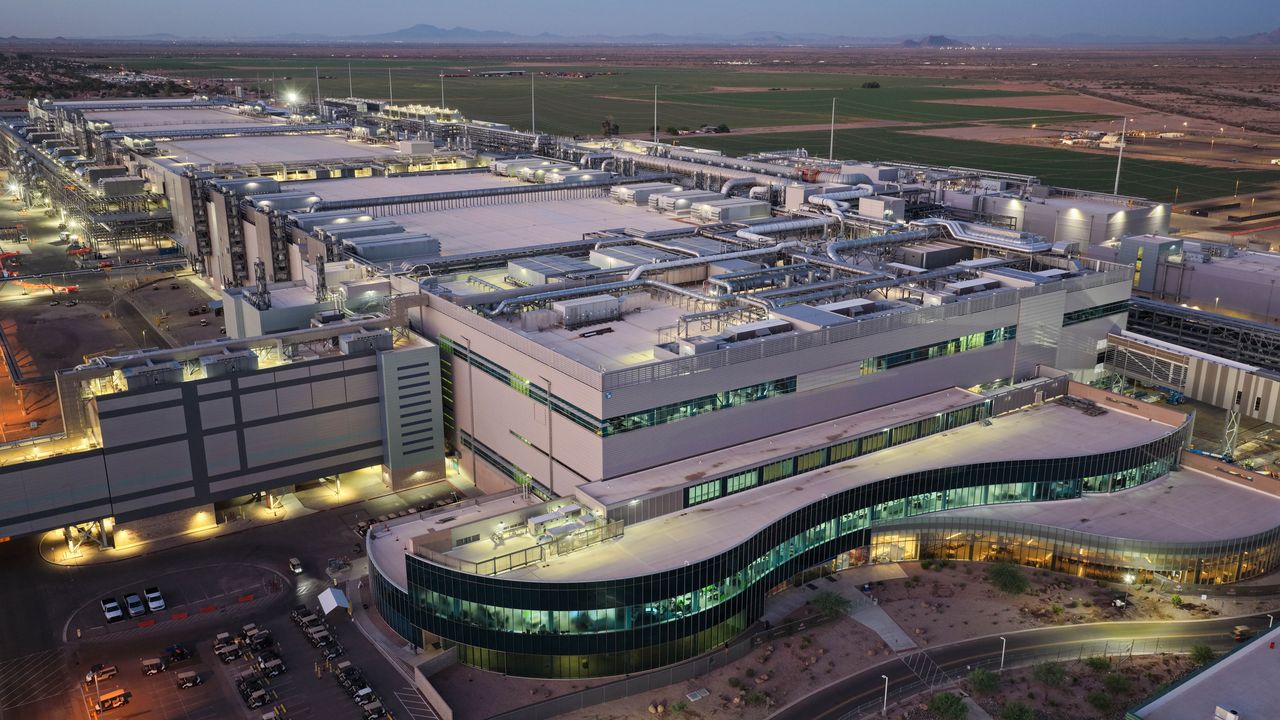
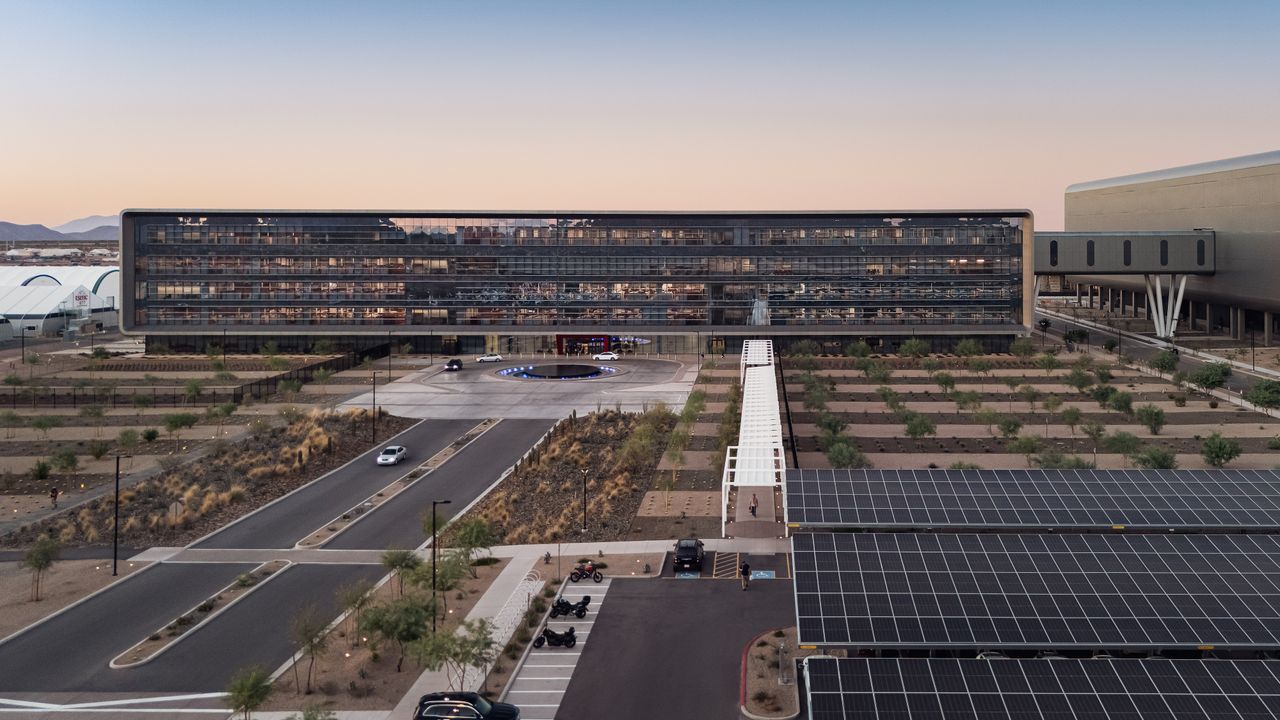
Intel's Fab 52 in Arizona is currently the most advanced chip production facility in America, but it has yet to reach its full 40,000-wafer capacity due to low 18A yields.
Taiwan's government is considering imposing N+2 export rule on TSMC's advanced process technologies, which would make it significantly harder for the foundry to develop overseas.
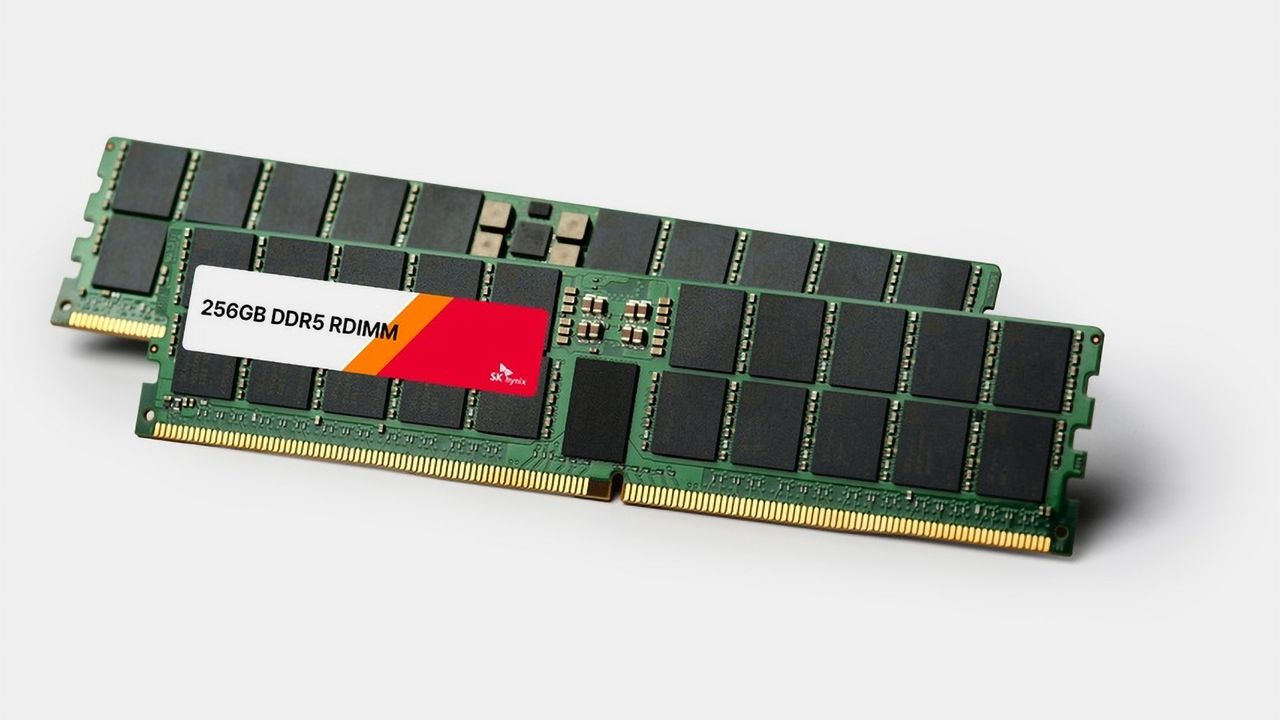
SK hynix first to validate 32Gb-based 256GB DDR5 module with Intel: up to 32.4W power savings per server, or millions of dollars per hyperscale data center.
China has reportedly built and begun testing a secret EUV lithography prototype using ASML-style laser-produced plasma technology. Yet, despite generating 13.5-nm light, the system remains unable to make chips and appears to be years away from achieving a complete, production-ready EUV manufacturing capability.
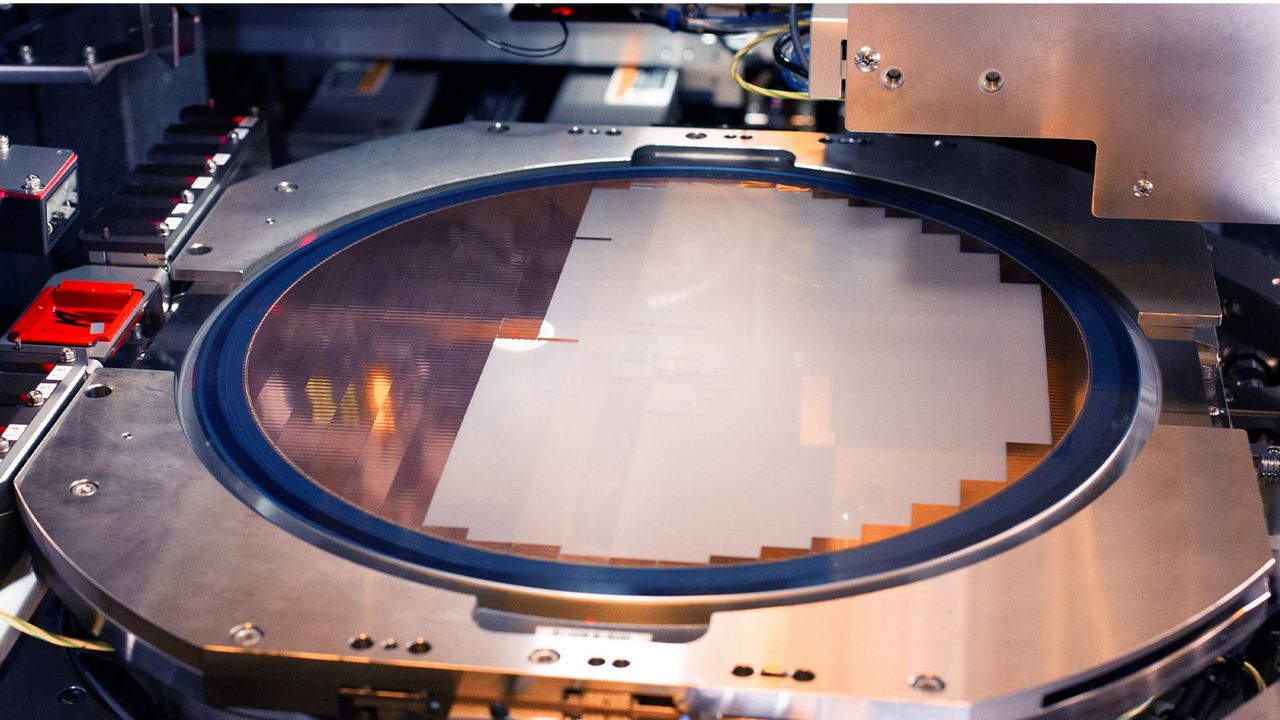
Driven by demand for AI and HPC accelerators, sales of chip production equipment are projected to increase through 2027. Asian countries are expected to lead the pack, according to SEMI.

 Anmelden