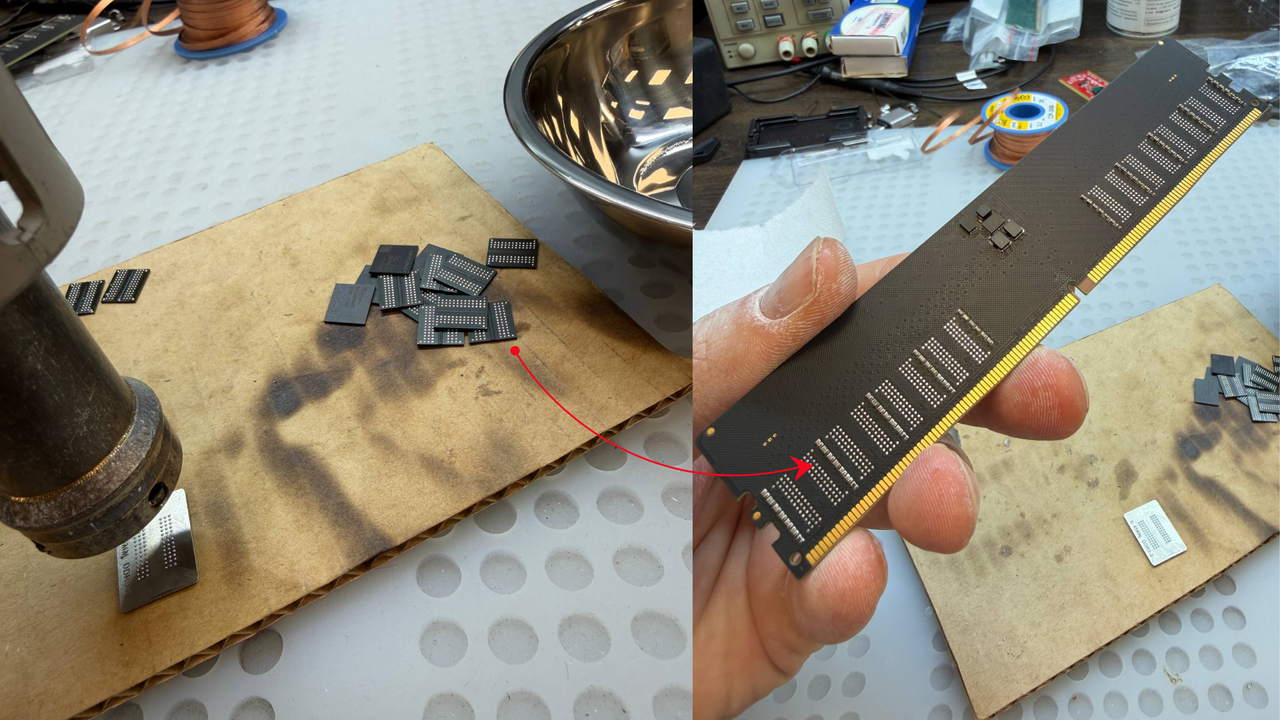
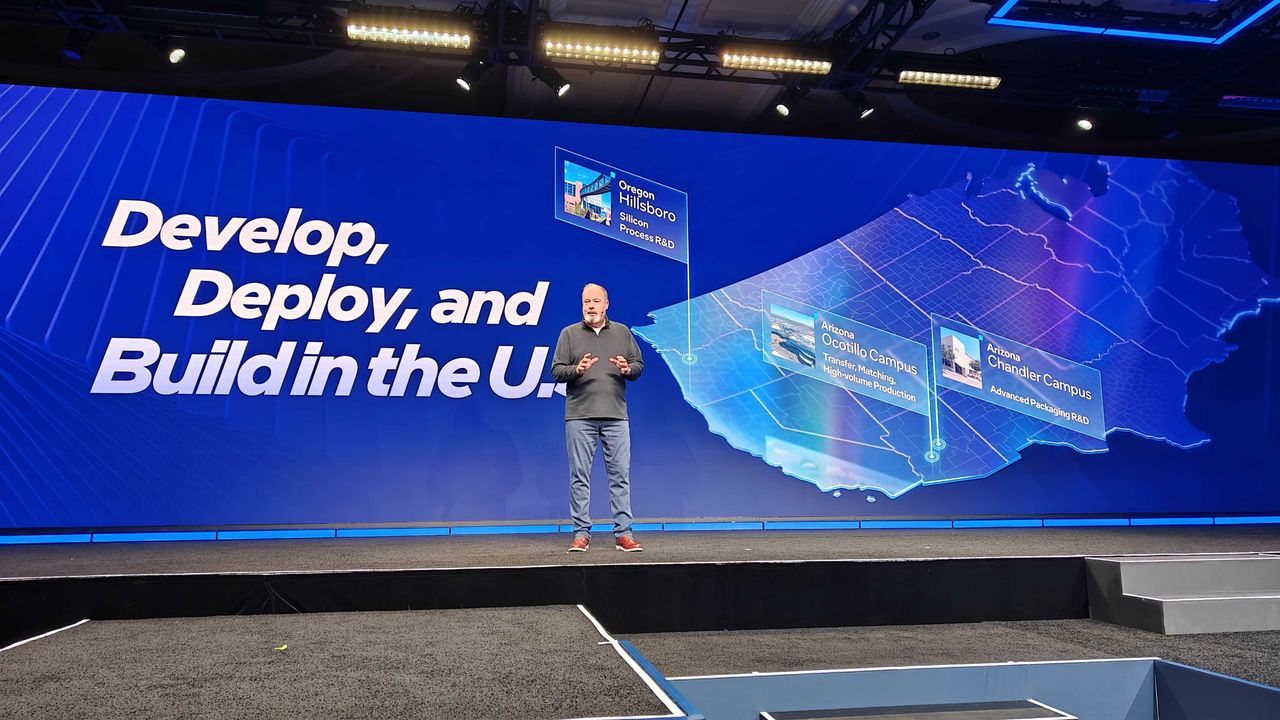
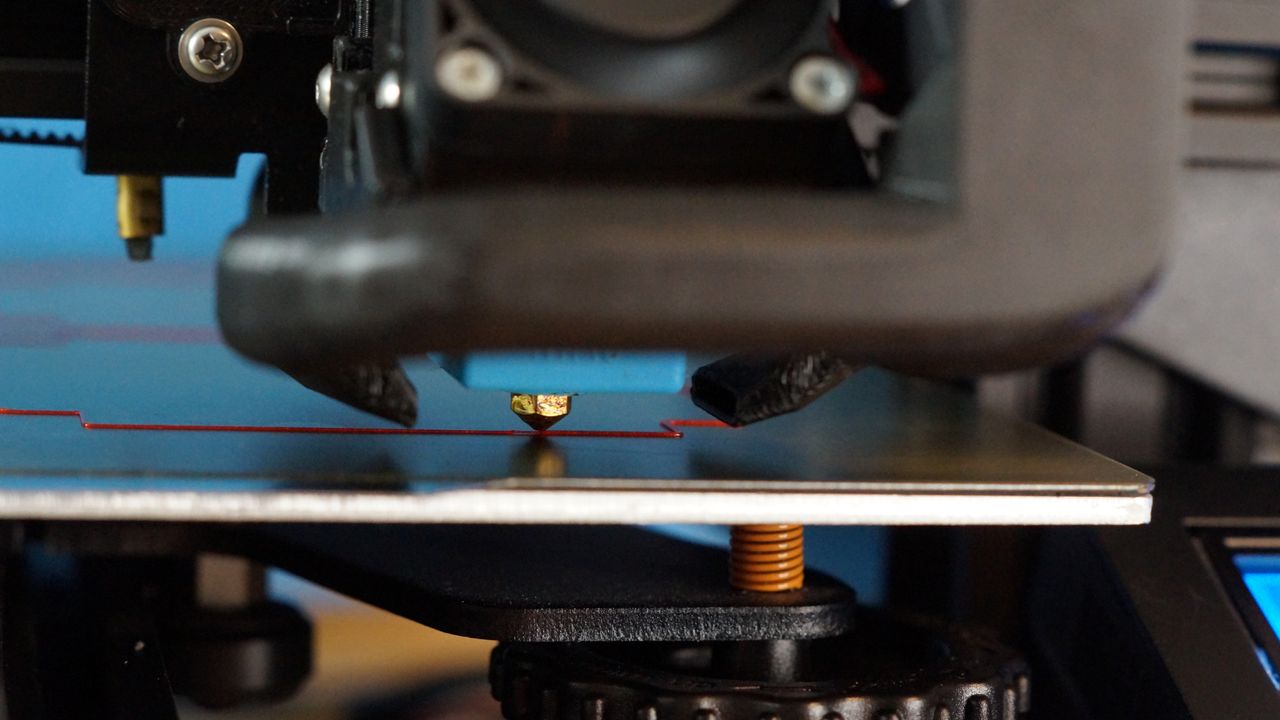
DIY DDR5 is no longer just a concept, but a reality, as modder VIK-on has built his first 32GB stick from scavenged parts. The memory chips came from laptop SODIMMs, while a new PCB and cooler were acquired from China. After flashing custom firmware enabling 6400 MT/s XMP, the entire build put together cost $218.
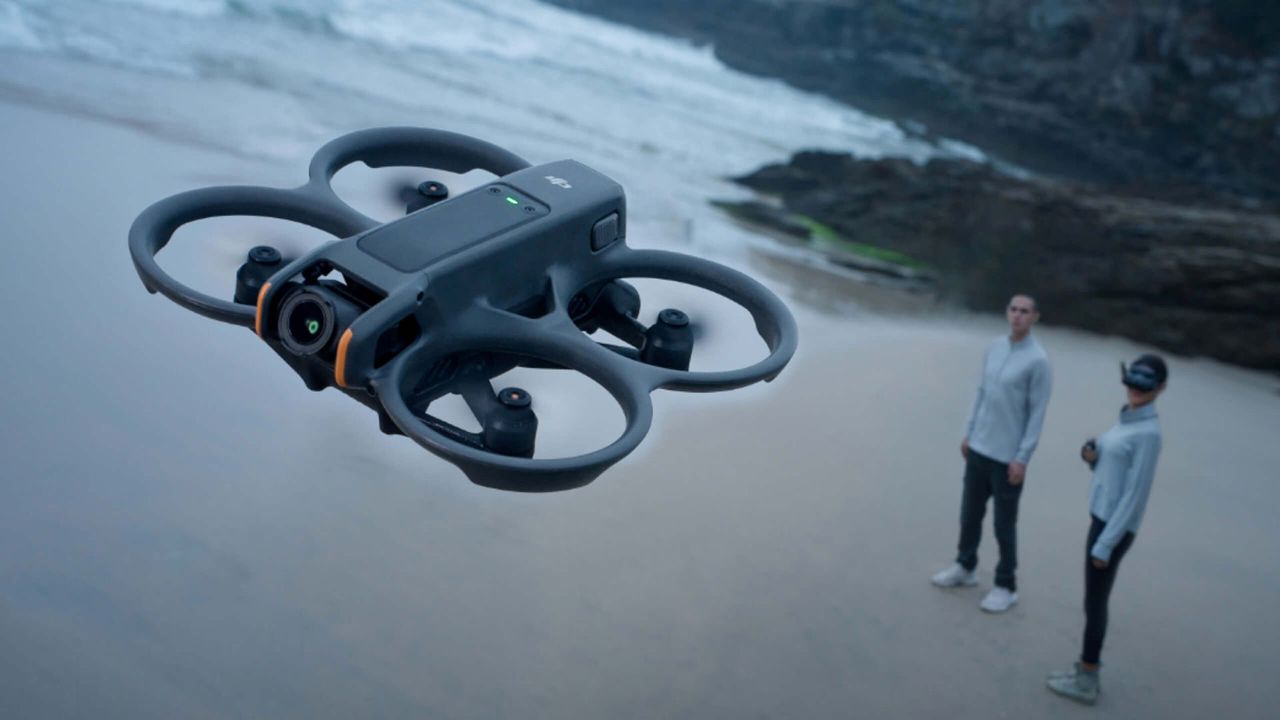
The U.S. Department of Commerce has retracted its proposal to stop the import of DJI drones, but the FCC's ban means that the U.S.'s doors are closed to new DJI models anyway.
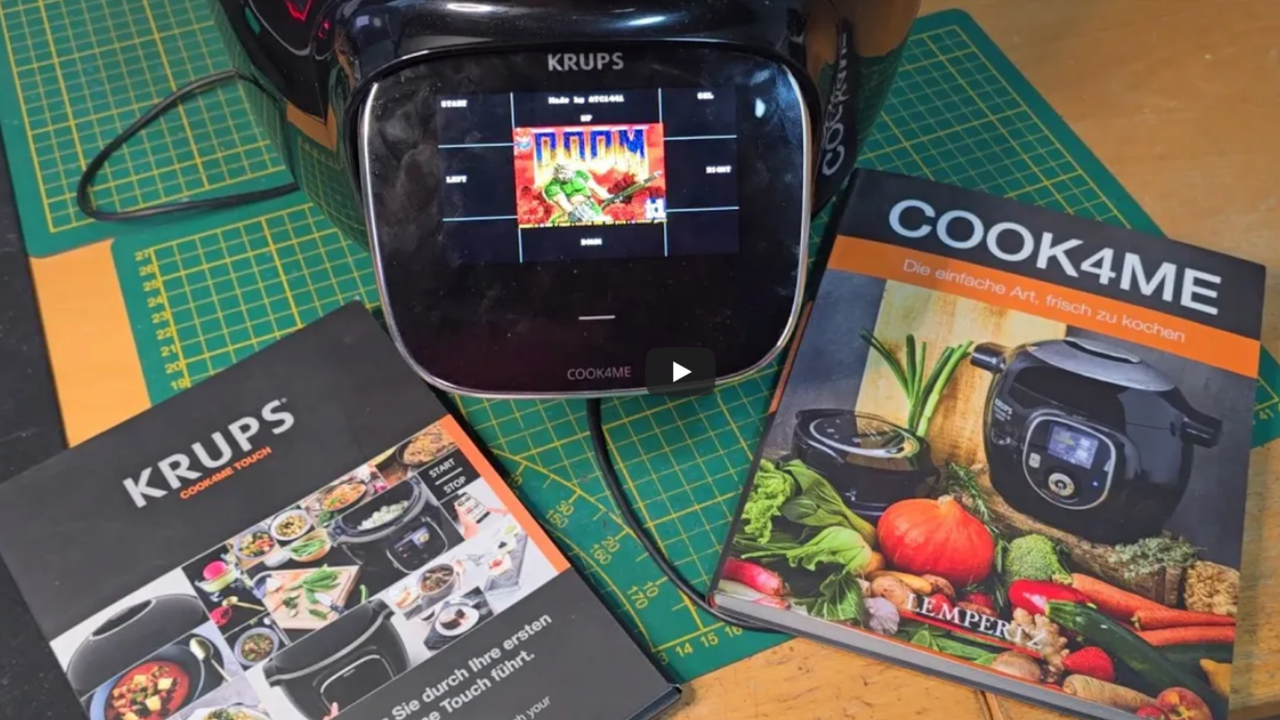
A YouTuber has managed to run Doom on a Krups Cook4Mec smart pressure cooker after dumping and reflashing the firmware on the appliance’s touchscreen control hardware.
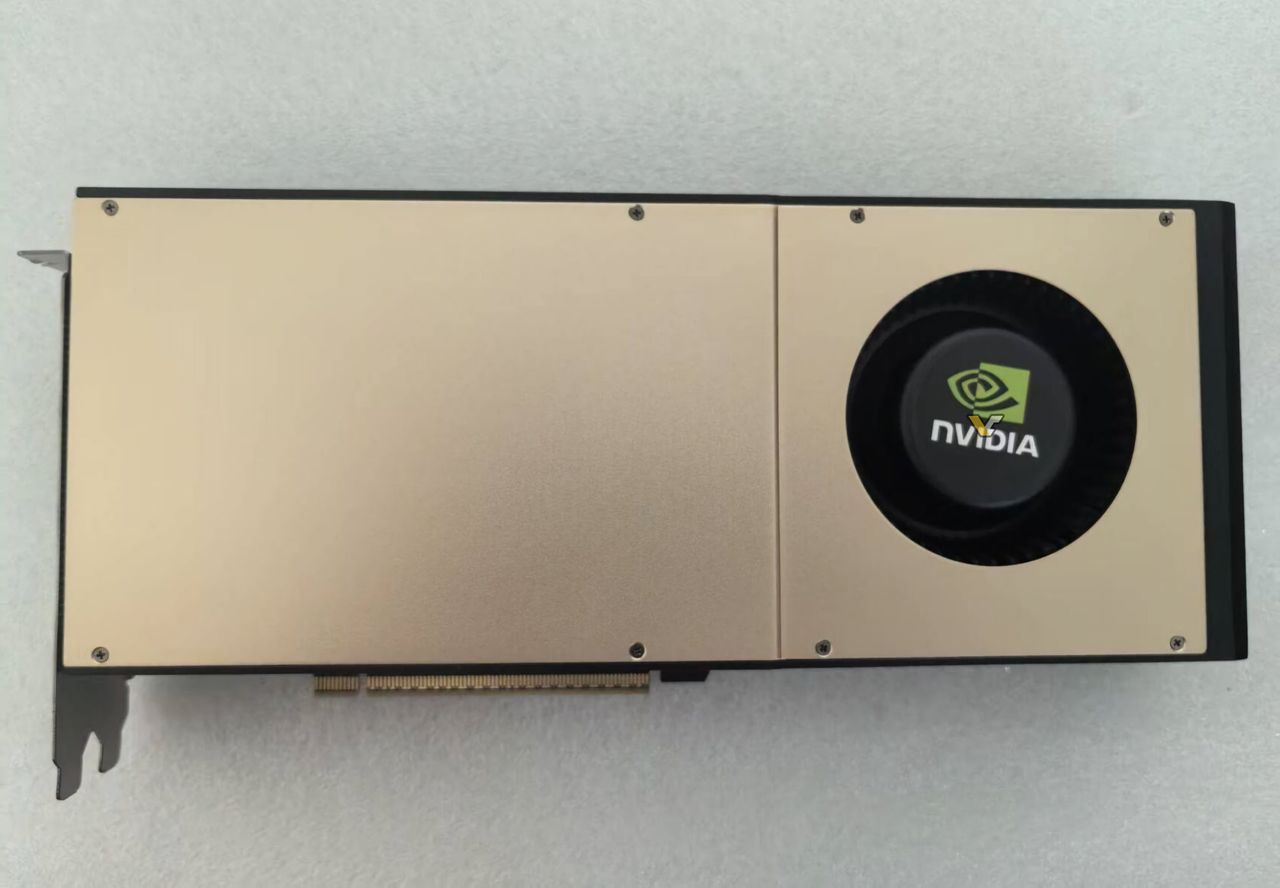
China's underground GPU operations have birthed a few more spectacles, new Nvidia RTX 50-series SKUs with blower-style coolers, aimed at data centers and server farms. Listed on Taobao, the RTX 5080, 5070 Ti, 5060 Ti & more are all priced higher than their retail counterparts, and that's for their stock VRAM versions.
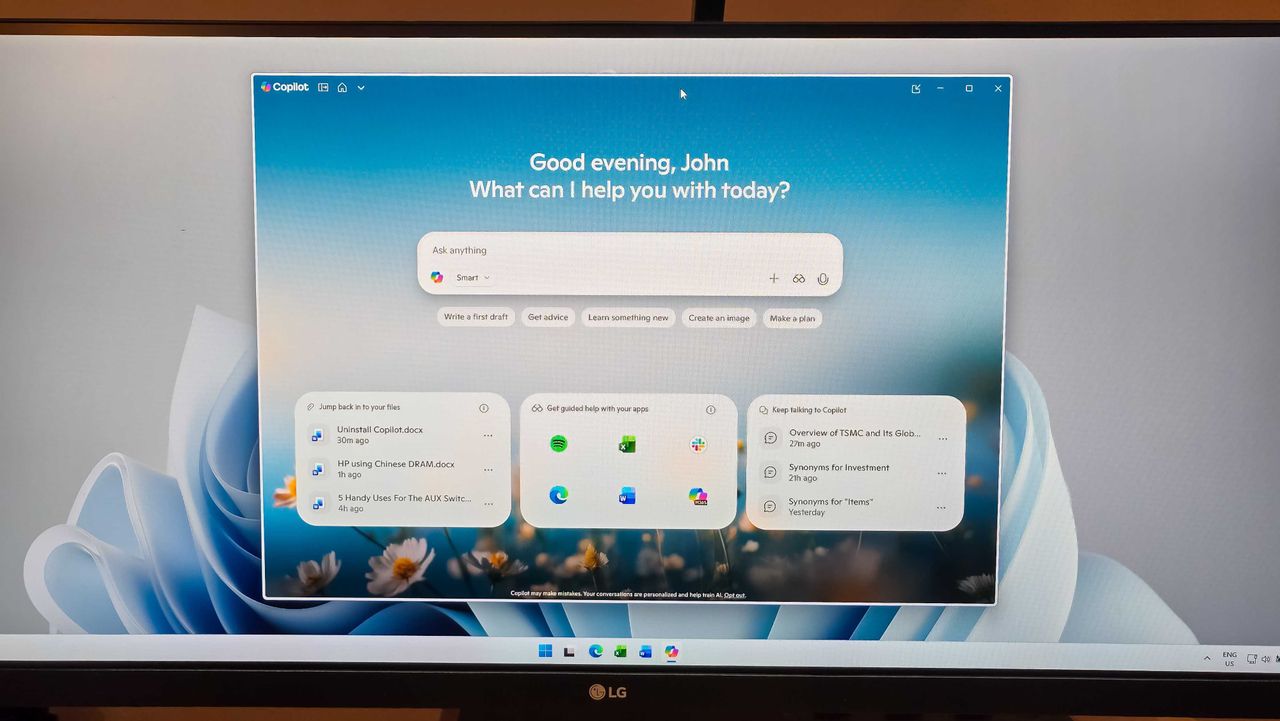
Microsoft finally allows administrators to remove the Microsoft Copilot app from managed versions of Windows 11 Pro, Enterprise, and EDU. However, you need to have Microsoft 365 Copilot installed, among other conditions.
Multiple shops are reportedly saying that GPUs are selling almost as soon as they arrive, with higher-end models becoming increasingly challenging to keep in stock.
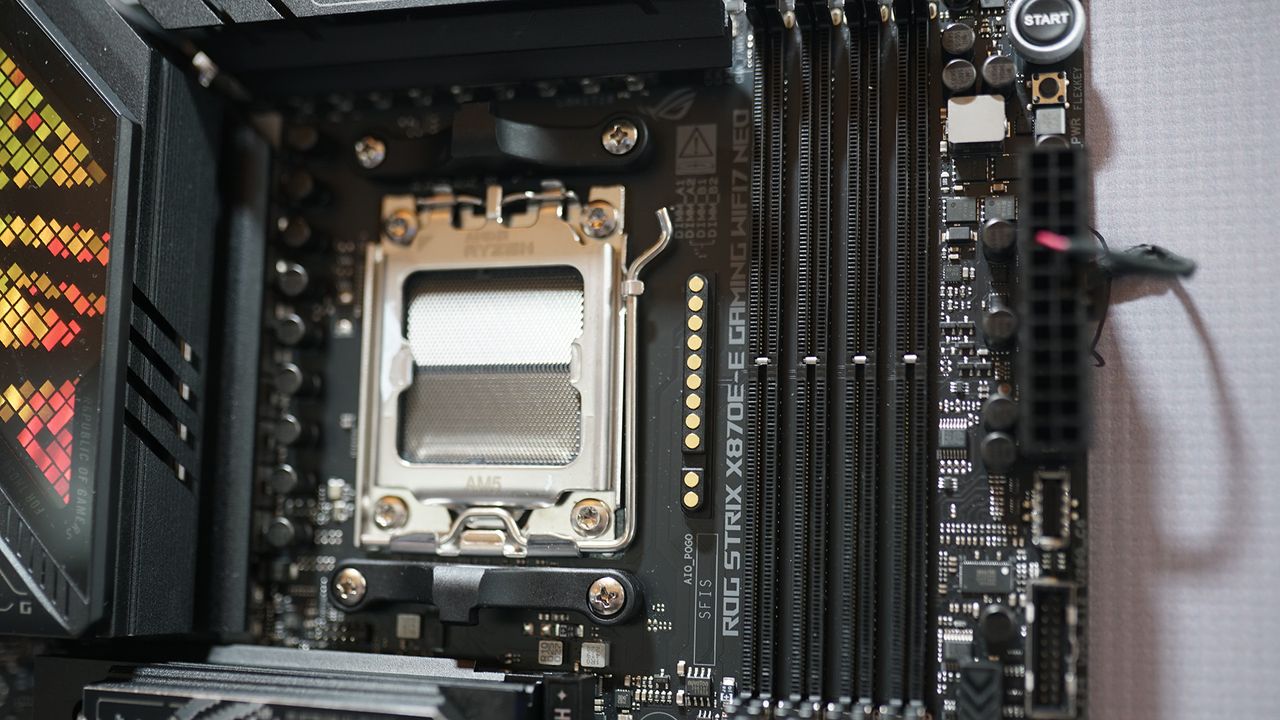
Asus has incorporated a 64MB ROM into its all-new Strix Neo AM5 motherboards to support future Ryzen releases. For now, though, Asus is using the extra capacity to hold an integrated Wi-Fi driver, handy for new Windows 11 installs.
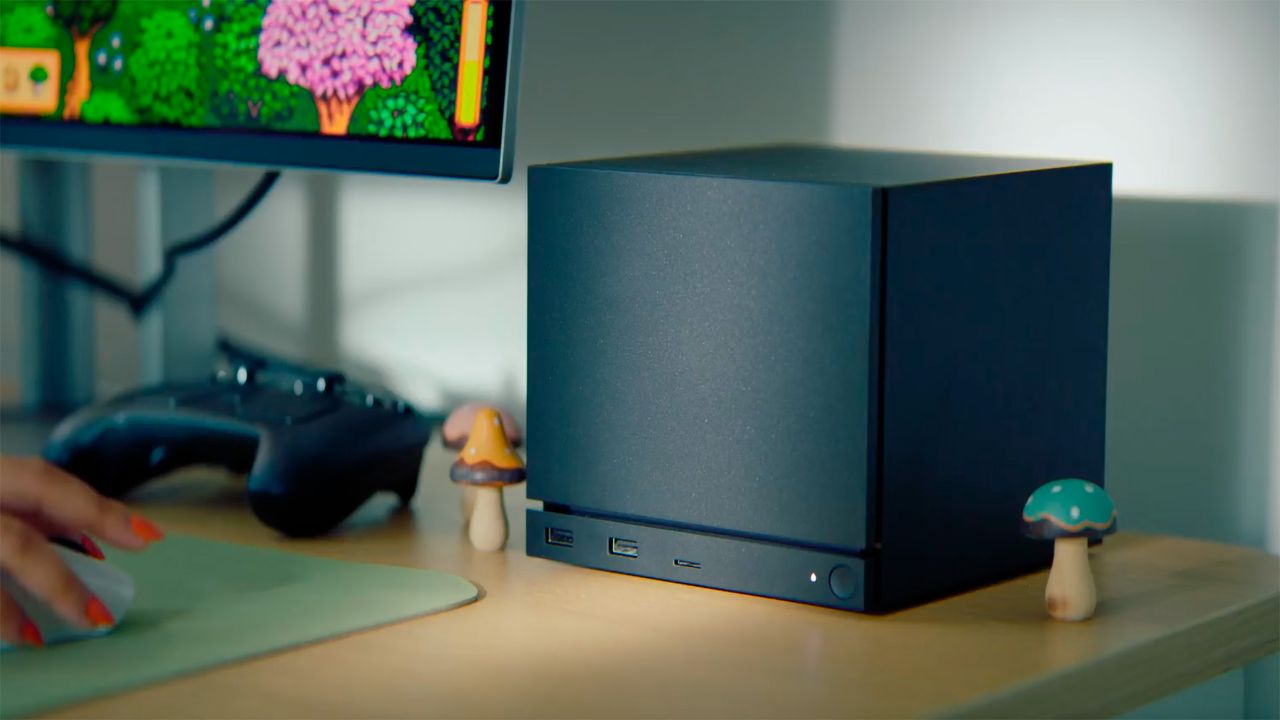
Czech retailer Smarty has listed Valve’s highly anticipated Steam Machine at $950 for the 512GB version and $1,070 for the 1TB model—both before taxes.
Superheat was at CES 2026 to showcase what it describes as “a water heater that pays for itself.” Instead of a resistive heating element, it warms your H2O with heat generated by a Bitcoin ASIC miner.
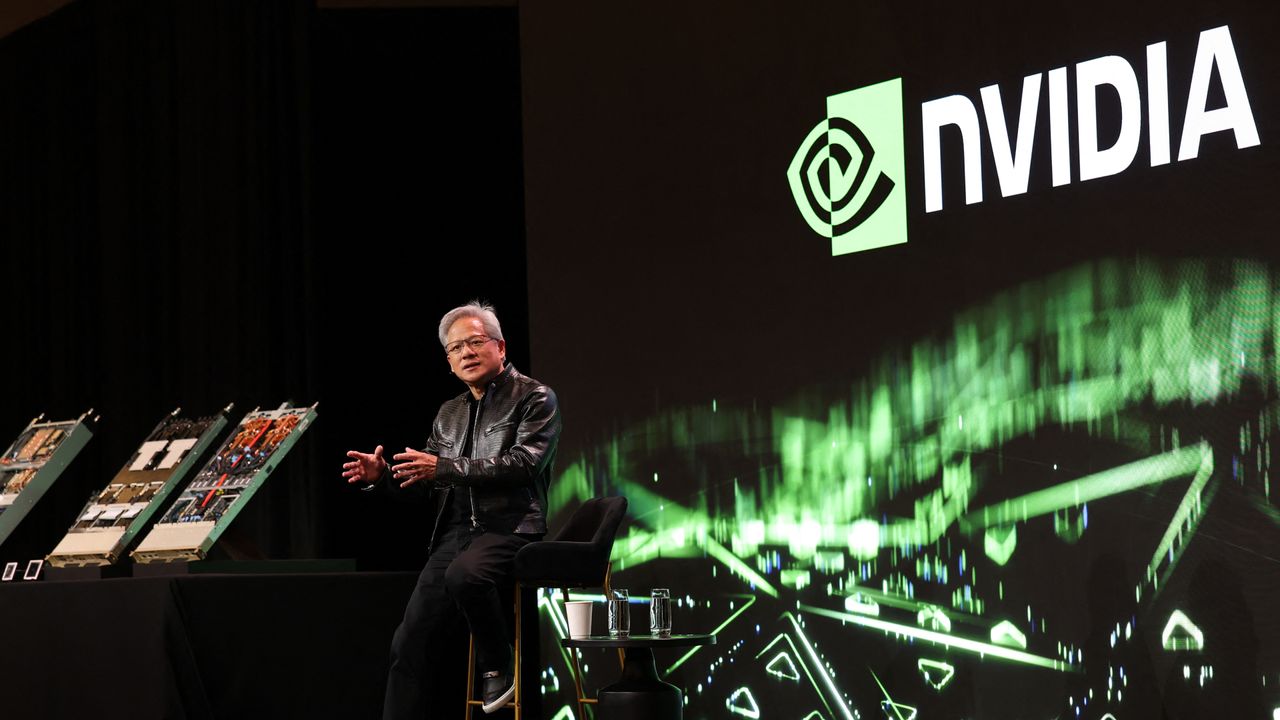
In a press Q&A at CES 2026, Nvidia CEO Jensen Huang addressed everything from Rubin’s design philosophy to inference economics, power constraints, open models, and more.
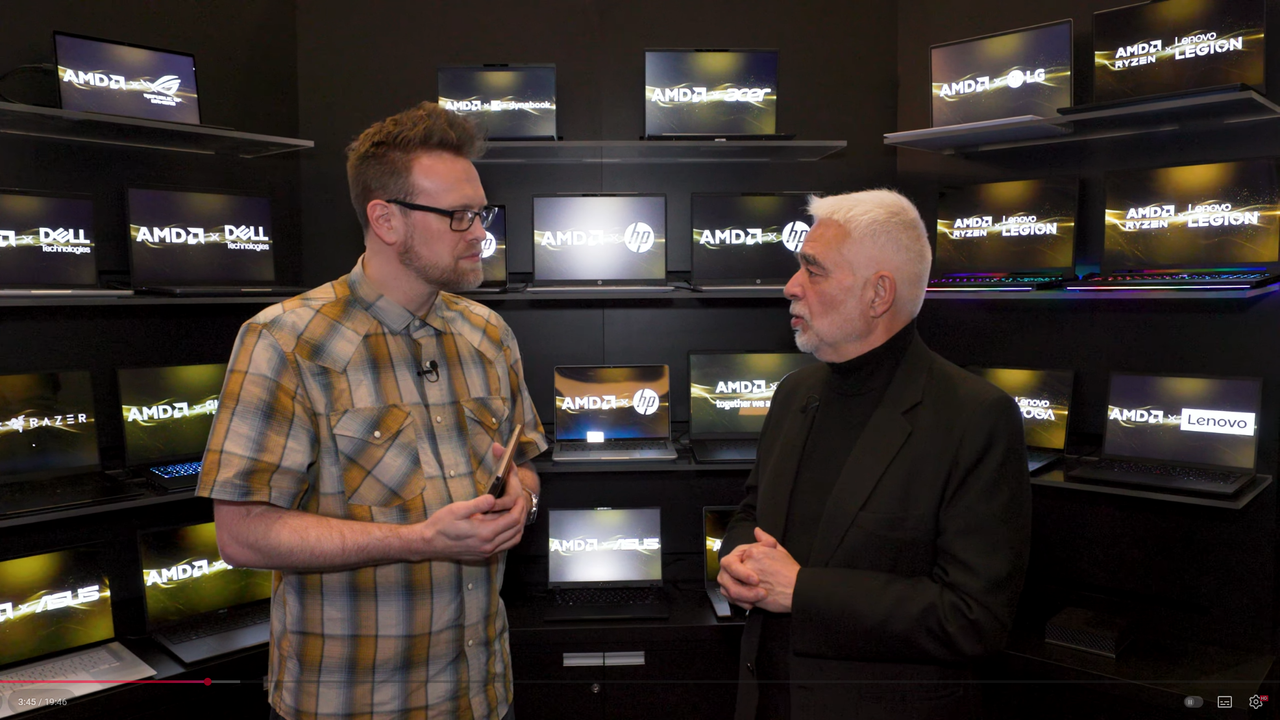
At this year's CES, AMD felt like a dominant force, too focused on AI potential to talk about (or to) consumers. Intel looked more like a laser-focused startup, confidently pitching its Panther Lake chips to gamers, laptop users, and even robot makers.
The 6GW will come from various suppliers — both existing and upcoming — to deliver the estimated 1GW that Meta's Prometheus site will require in 2026, and the 5GW its Hyperion data center will need by 2028.
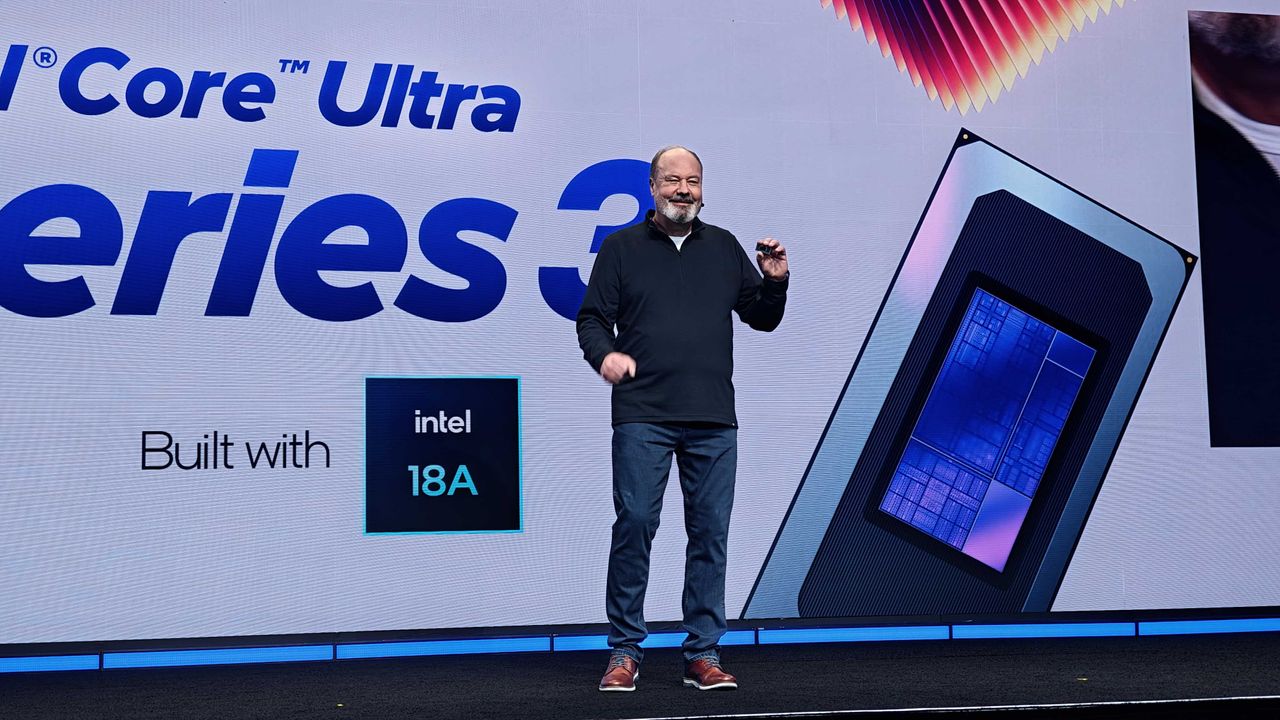
Following Intel's keynote at CES 2026, we attended a press Q&A at CES in Las Vegas, featuring some of the senior staff behind Intel's Panther Lake architecture, with some illuminating commentary about the new products.

 Anmelden