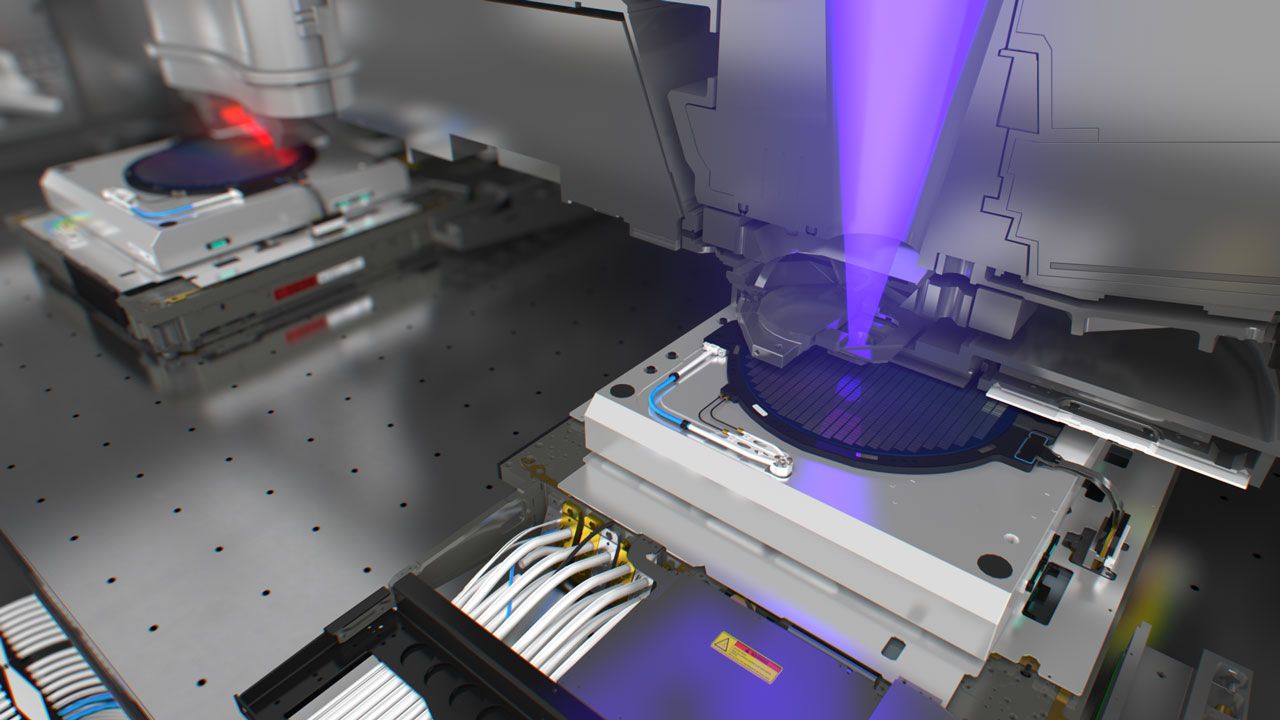
A reported attempt by a covert Chinese lab to reverse-engineer an EUV lithography scanner underscores that, despite access to scattered components, replicating ASML's EUV tools is effectively impossible without recreating the company's entire global supply chain, optics ecosystem, and proprietary software built over decades.
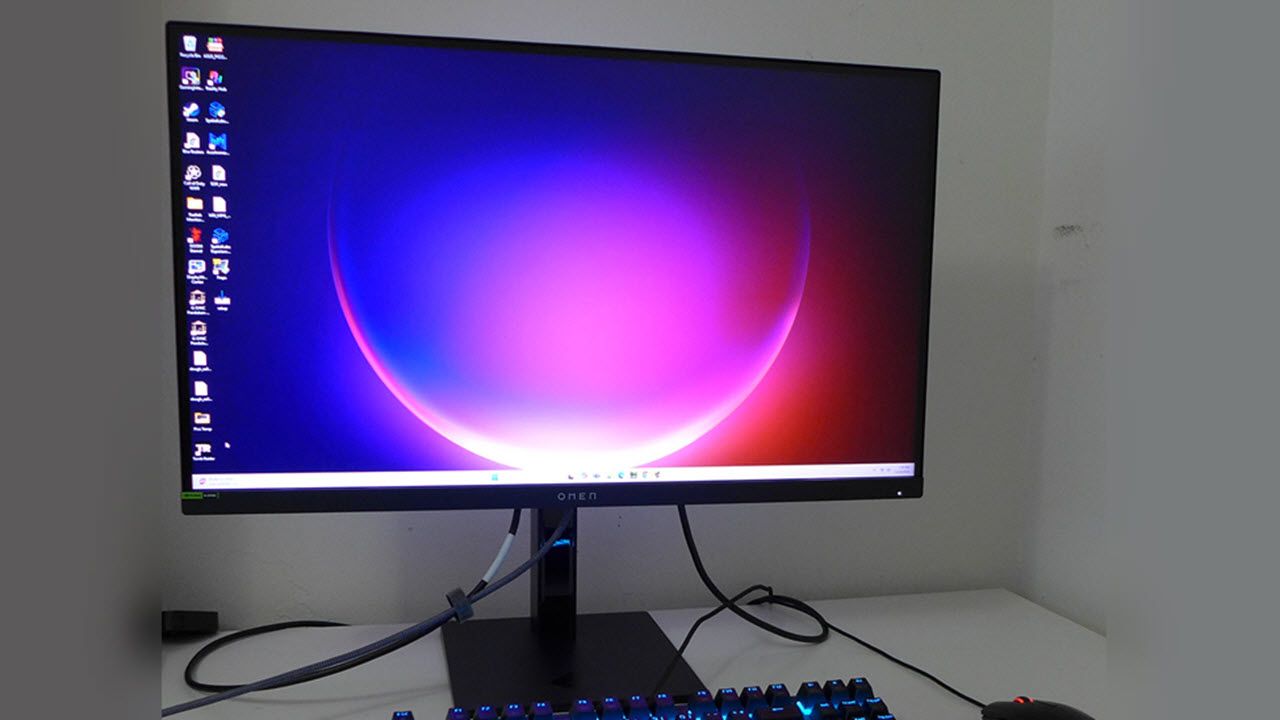
HP delivers reference-quality color and speedy gameplay with the Omen 27qs G2. It’s a 27-inch QHD IPS panel with 280 Hz, Adaptive-Sync, MPRT, HDR400 and wide gamut color. It also brings superb video processing for super smooth motion.
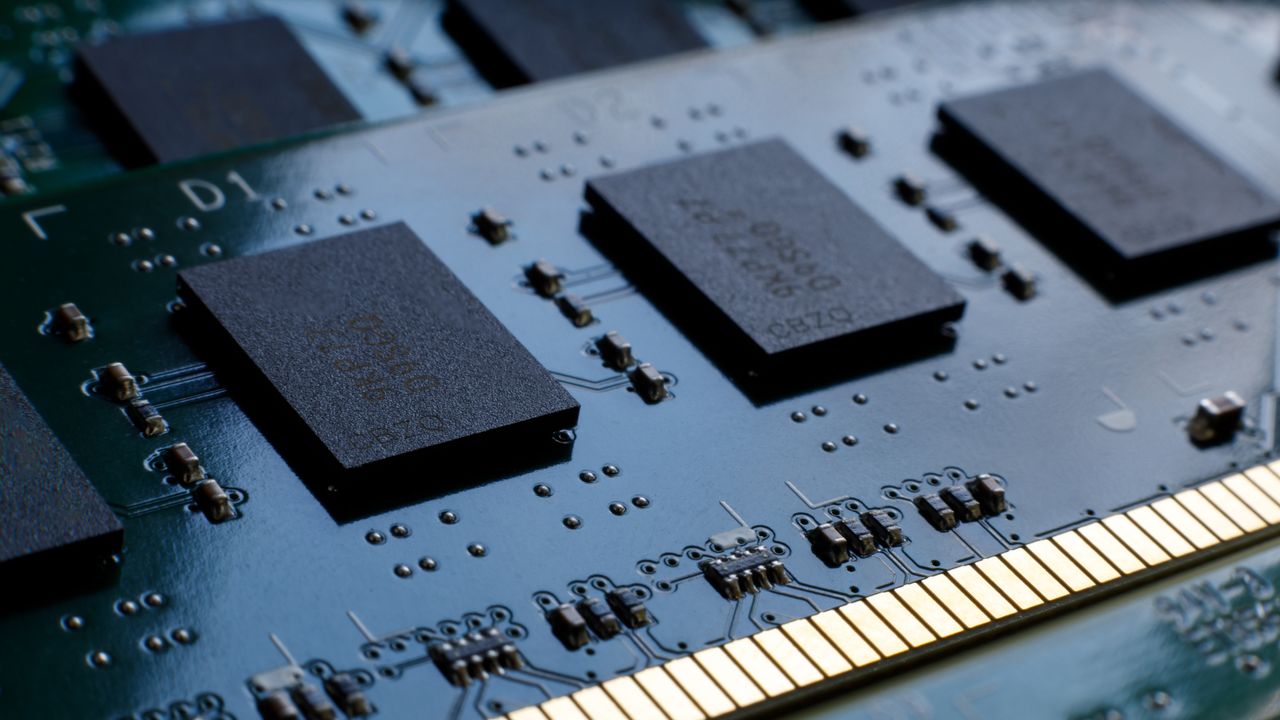
Samsung has delayed the end of its DDR4 production line due to increased demand, and is expected to earmark output for a client signing an NCNR contract with the company.
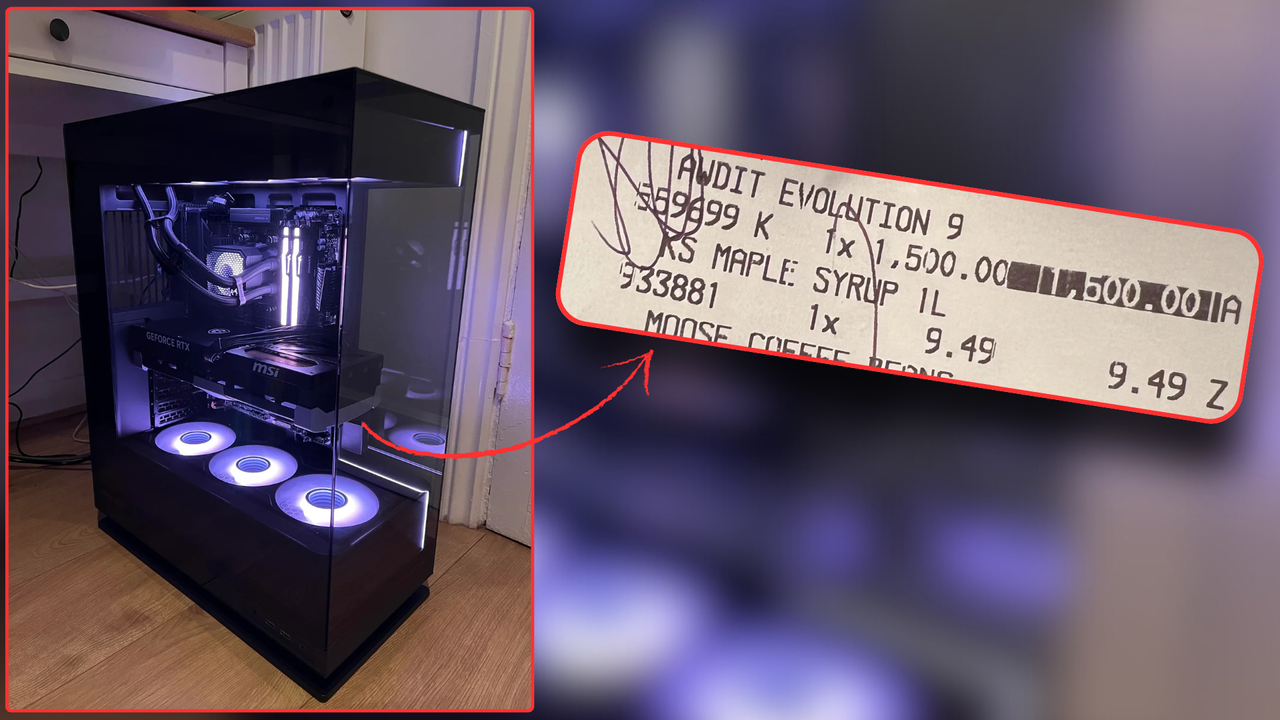
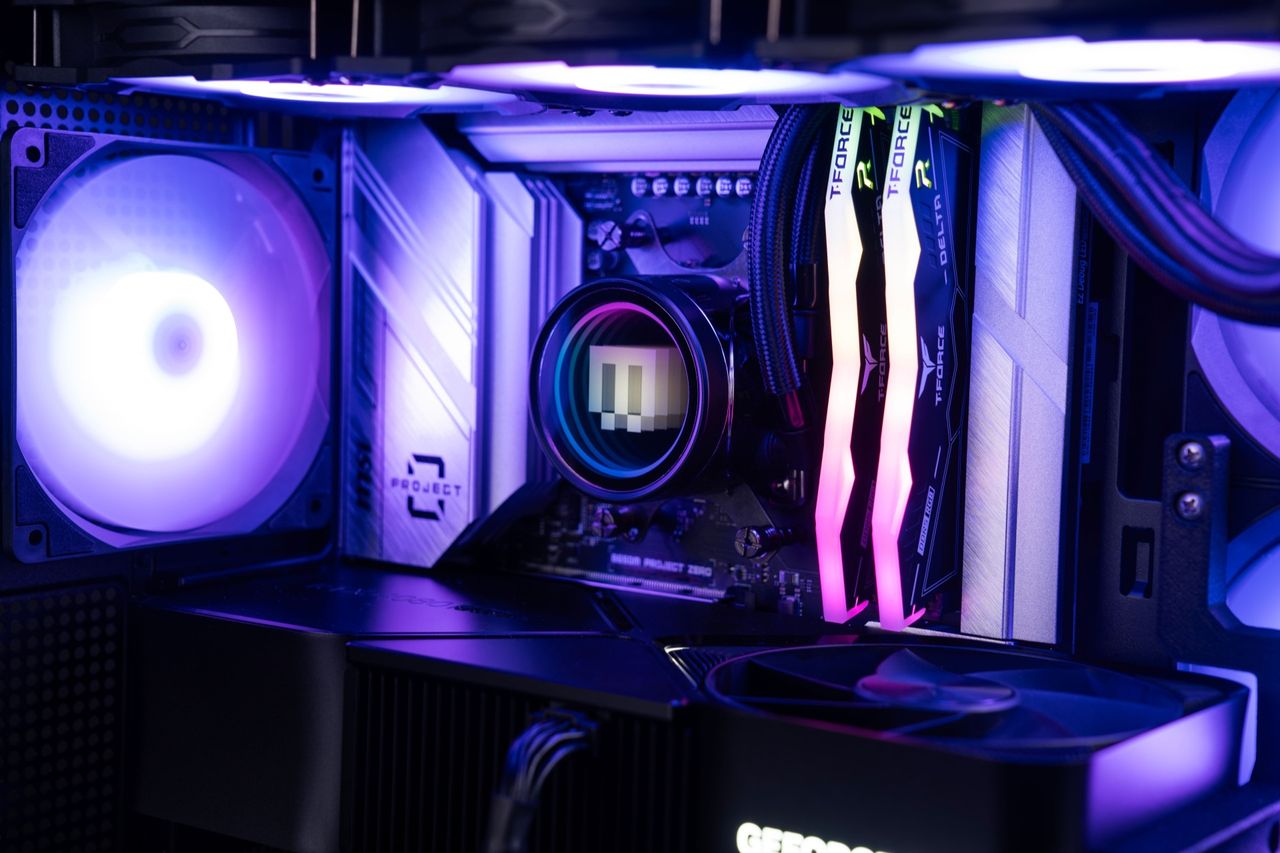
Someone in the UK has just pulled off a heist — only, that it was completely legal and at a Costco. A prebuilt PC worth $4,863 was bought for just $2,431, featuring flagship parts all around like an RTX 5090, a Ryzen 7 9800X3D and 64 GB of DDR5 6000 MT/s RAM that costs at least $700 just on its own.
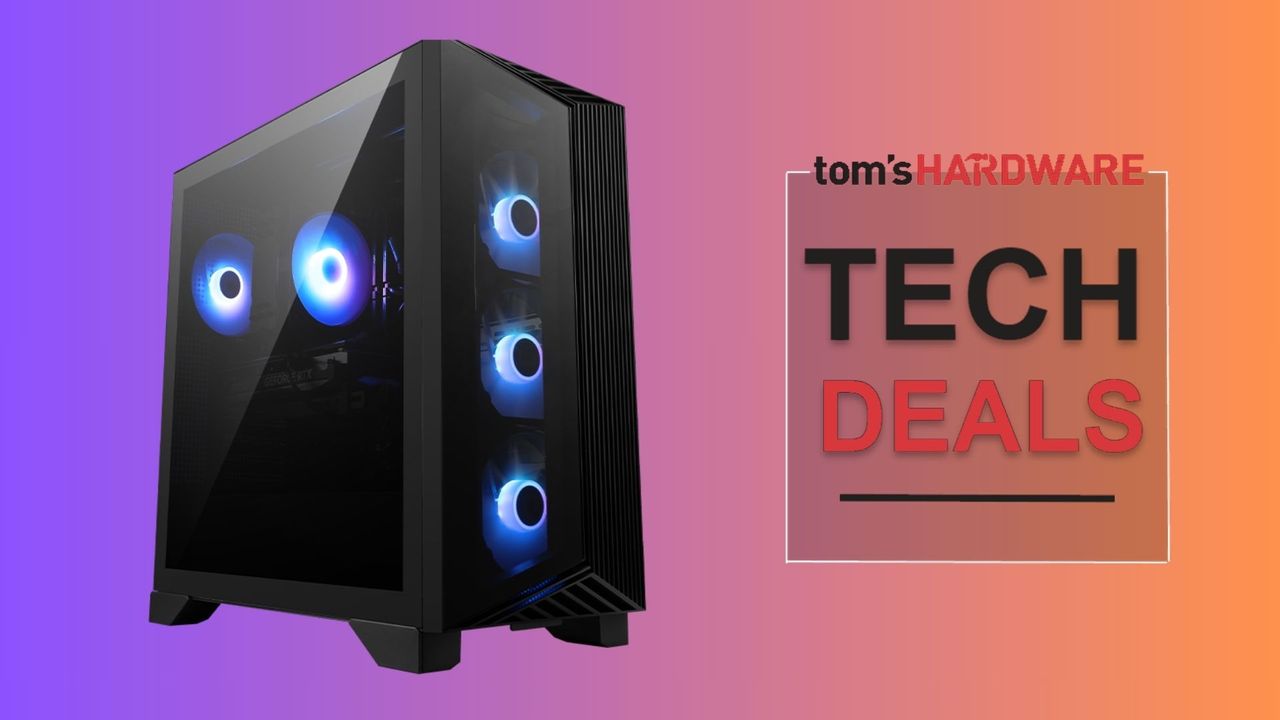
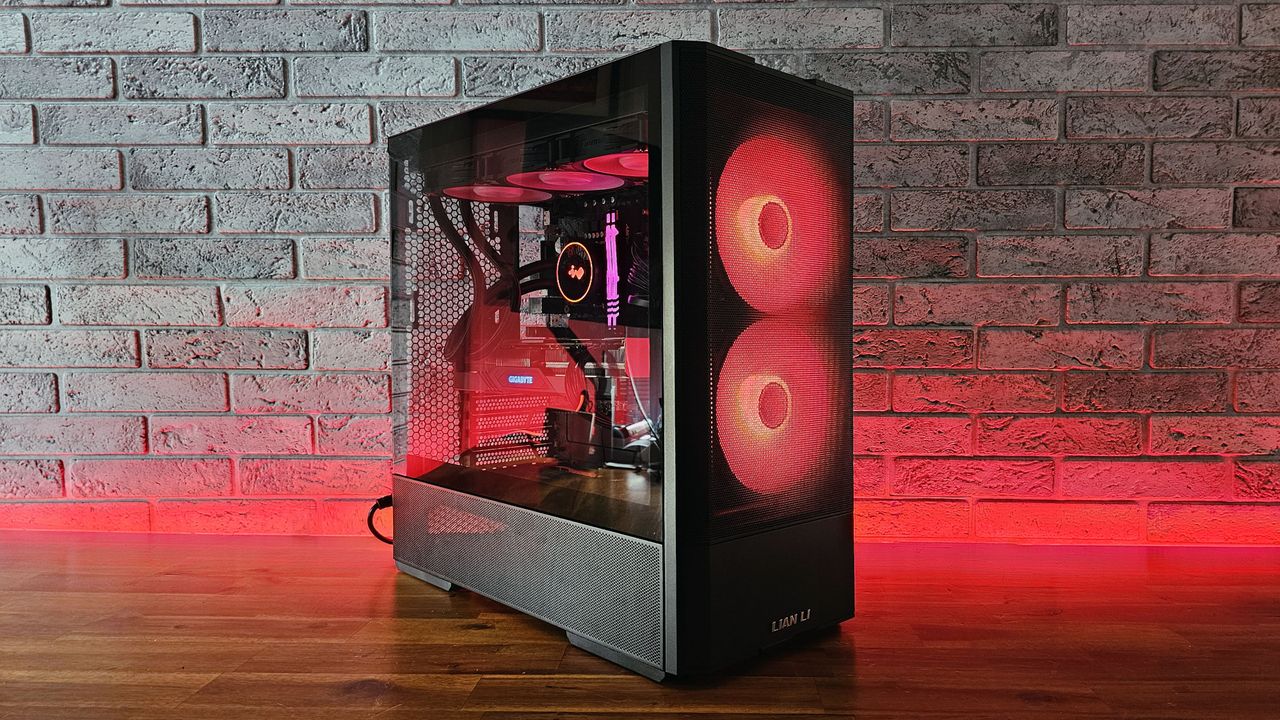
A huge $650 saving means this MSI Aegis Z2 gaming PC, with an eight-core AMD Ryzen CPU, Nvidia GeForce RTX 5070 Ti, 32GB of DDR5 RAM, and 2TB SSD, could be yours for just $1,649 right now.
U.S. export policy is colliding with the realities of globalized supply chains, reseller-driven distribution models, and explosive demand for AI accelerators in China.
In an attempt to keep prebuilt systems costs down and bypass a rocky supply chain, Maingear is offering custom build configurations where users provide their own RAM.
Japanese PC shops have temporarily halted sales on BTO (built-to-order) computers, citing difficulties in keeping up with demand. Worldwide component shortages have not only made prices skyrocket, but they fluctuate so much that it's useless to offer quotes to customers where inventories are drying up.
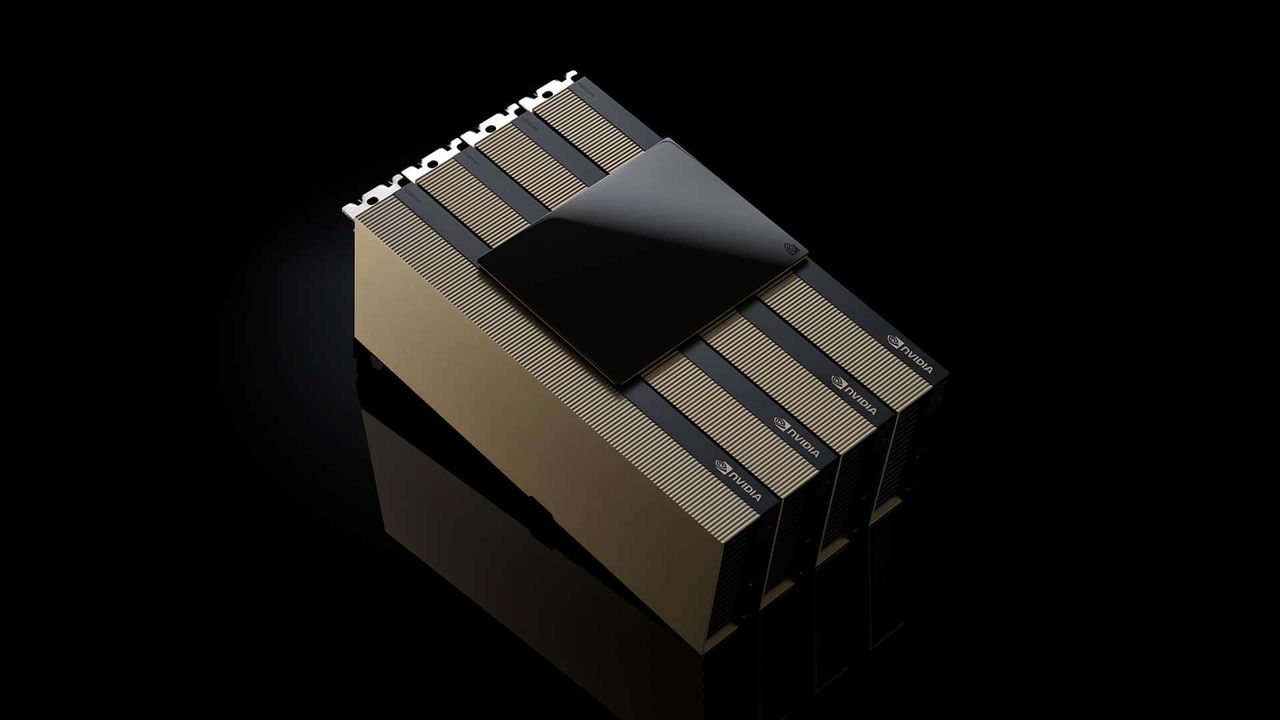
Nvidia is preparing to deliver up to 80,000 H200 AI chips to China before the Lunar New Year holiday, marking the first time this level of silicon would be legally exported to the country since 2022.
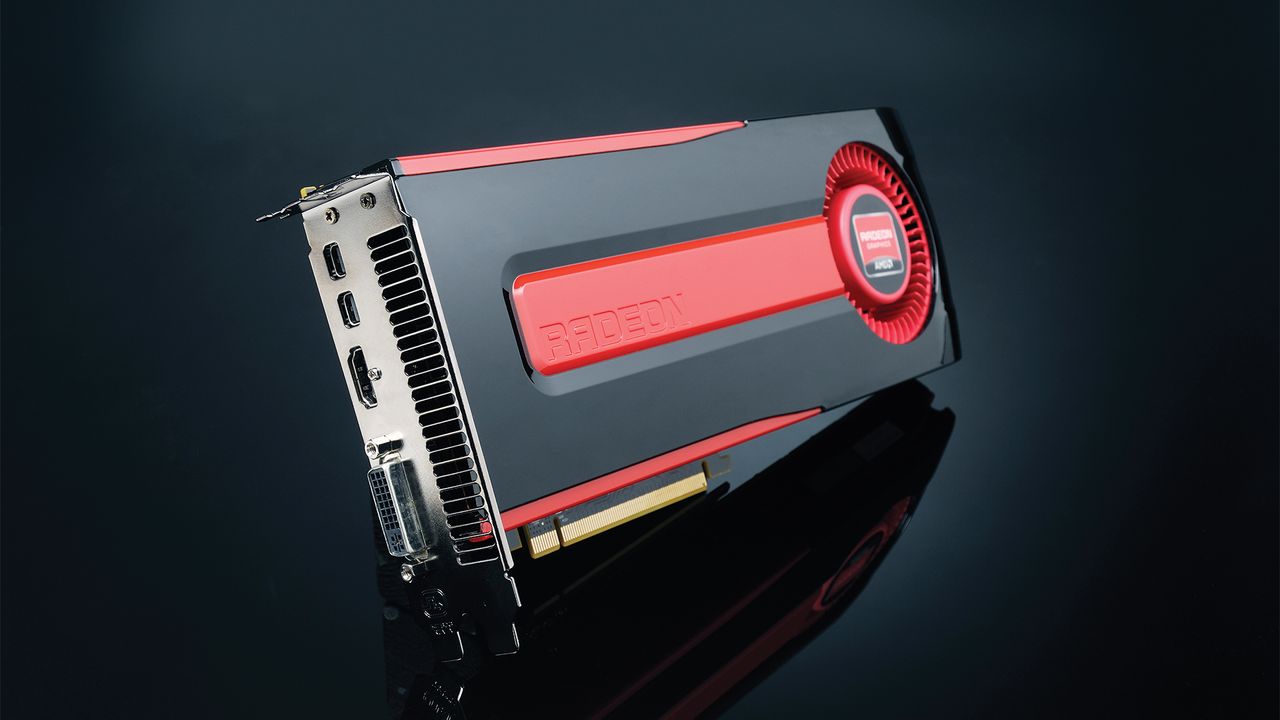
Linux 6.19 drops legacy Radeon DRM driver for the modern AMDGPU kernel driver, ushering performance uplifts up to 30% for AMD GCN 1.0 and GCN 1.1 graphics cards.
10 former Samsung employees are accused of leaking Samsung's 10-nm DRAM technology to CXMT, allegedly allowing the latter to achieve technological breakthroughs on stolen information.
In a recent talk, Meta engineers detailed how they've been deploying a low-latency Linux scheduler originally developed by Valve for the Steam Deck across production servers.
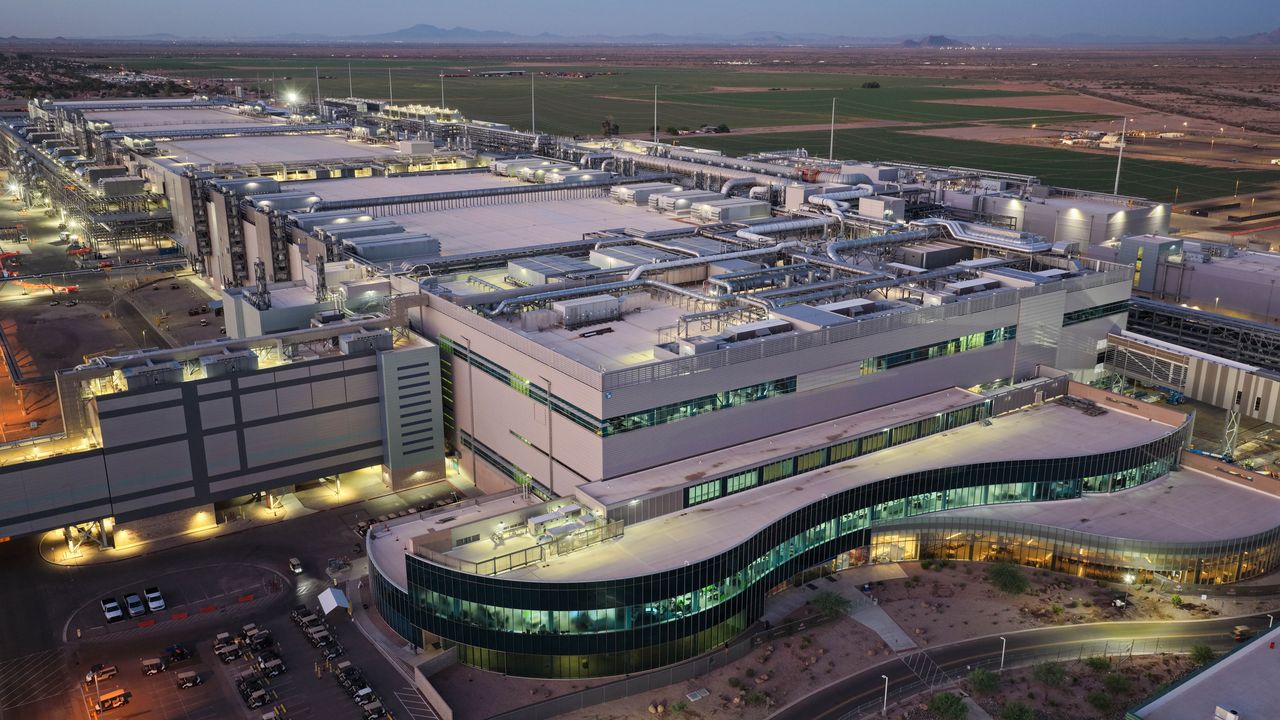
Intel's Fab 52 in Arizona is currently the most advanced chip production facility in America, but it has yet to reach its full 40,000-wafer capacity due to low 18A yields.
Conducted between late October and November, Operation Sentinel saw international law enforcement agencies shut down cybercrime infrastructure, decrypt ransomware variants, and prevent large-scale financial losses across the region.

 Anmelden