A team of researchers from UC San Diego found that 'old' smartphones from 2023 could be combined to build a server capable of running apps locally, instead of relying on cloud servers located on a distant site.
Microsoft is experimenting with Windows AI features on non-Copilot devices, finally allowing AI features to run on discrete GPUs. This move expands its user base and gives more users access to Windows 11 local AI capabilities.
A research firm says the number of blocked data centers in the first quarter of 2026 already matches the number of projects stopped in 2025. The opposition also comes from both sides of the aisle, despite President Trump's push for more AI development inside the U.S.
Companies look for cheaper alternatives as token costs for frontier AI models skyrocket, potentially impacting OpenAI and Anthropic's bottom lines. Subscriptions also take a bite out of these startup's profitability, as utilization rates higher than 5.7% could lead to losses.
Google's $920-million-a-month deal with SpaceX will let it secure 110,000 Nvidia GPUs starting October 2026. This is the second data center deal that SpaceX has secured in a matter of weeks, especially as it's quickly approaching its IPO on June 12, 2026.
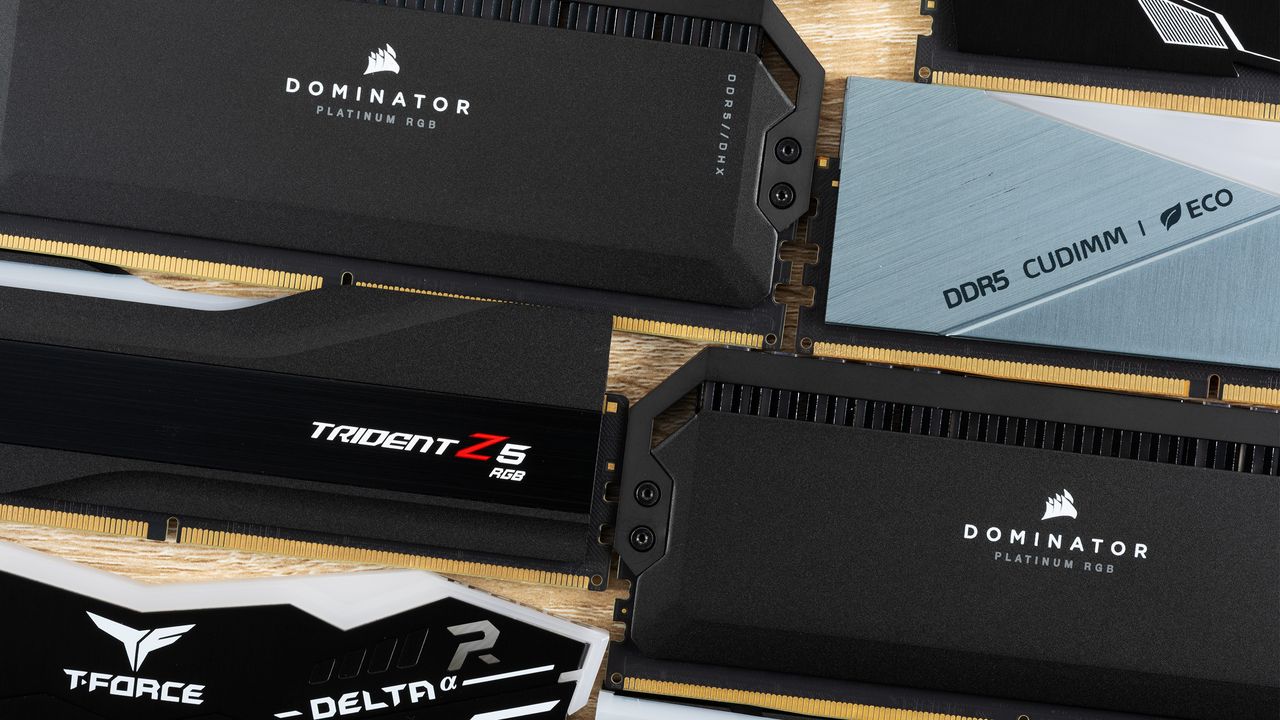
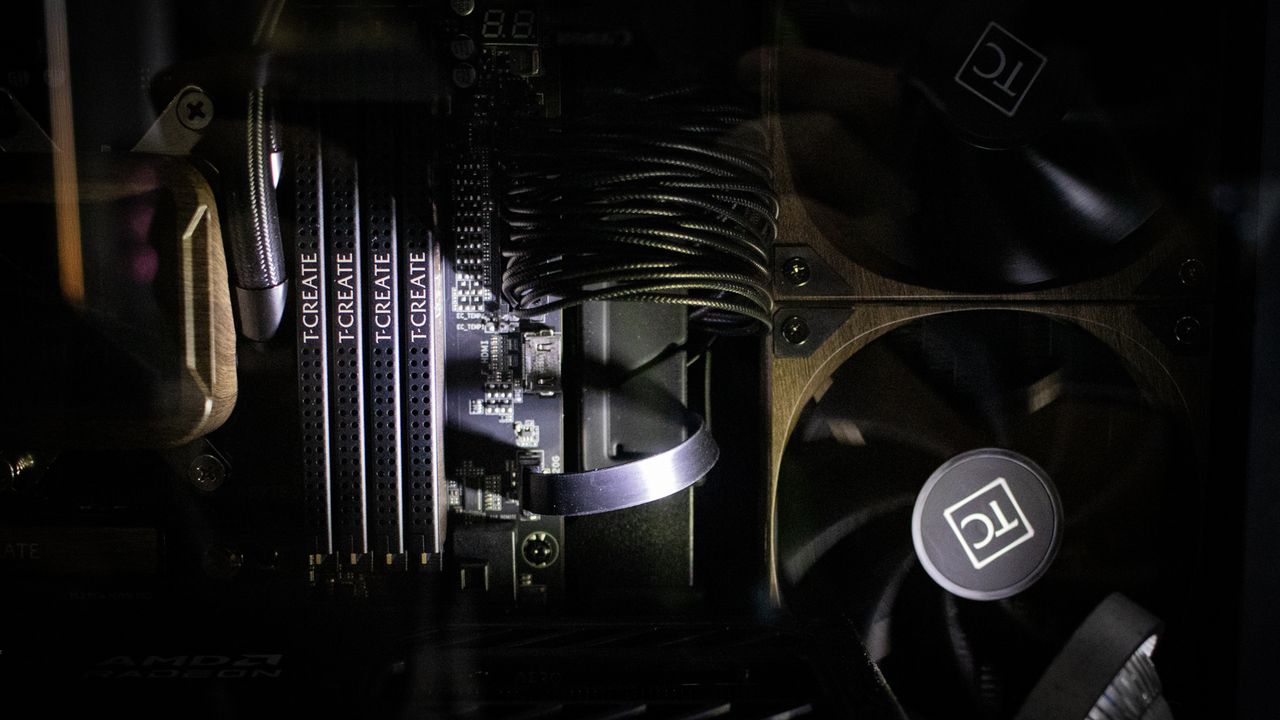
Industry insiders say that RAM prices will continue to go up in the next eight to nine months, as the memory chip crisis goes from bad to worse. While retailers make moves to temporarily reduce prices, these will eventually run out, so if you need to buy RAM, you should buy it now.
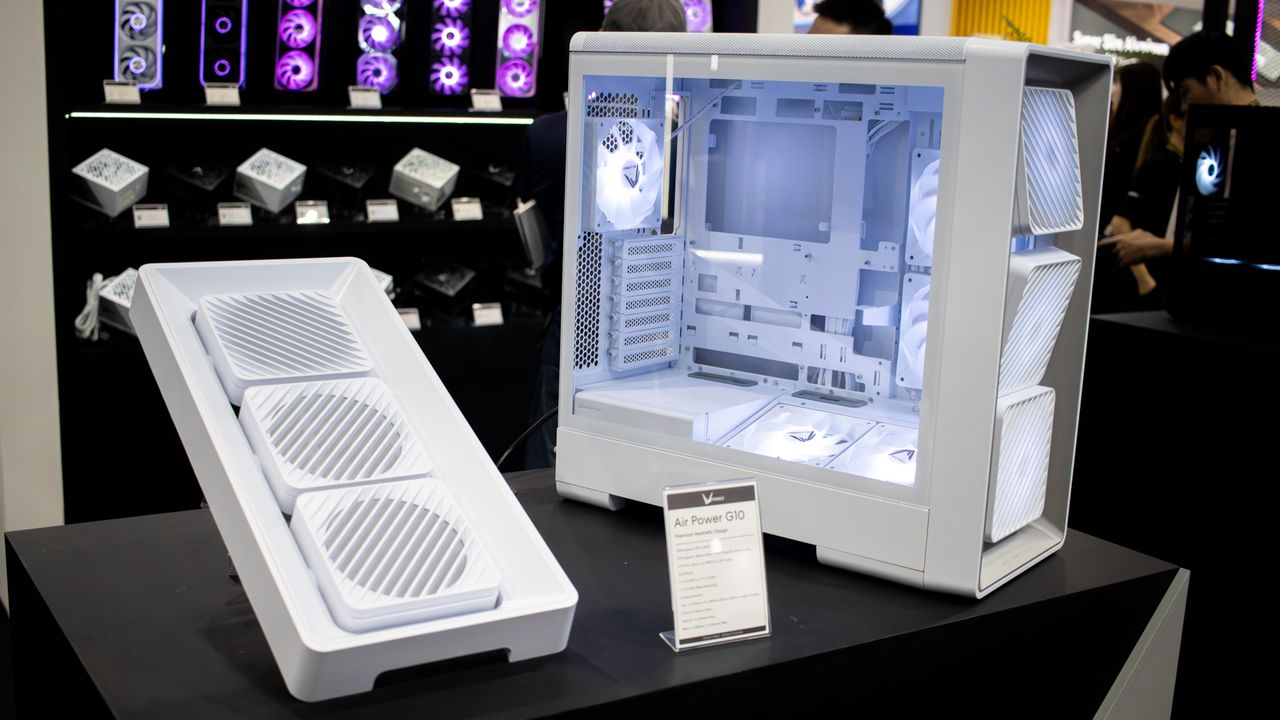
Taiwanese startup FormulaV Line wants to break into the U.S. market with these two new and unique cases. It also showed off a plethora of other components, including PSUs, cooling solutions, and even a gaming chair on the showfloor at Computex 2026.
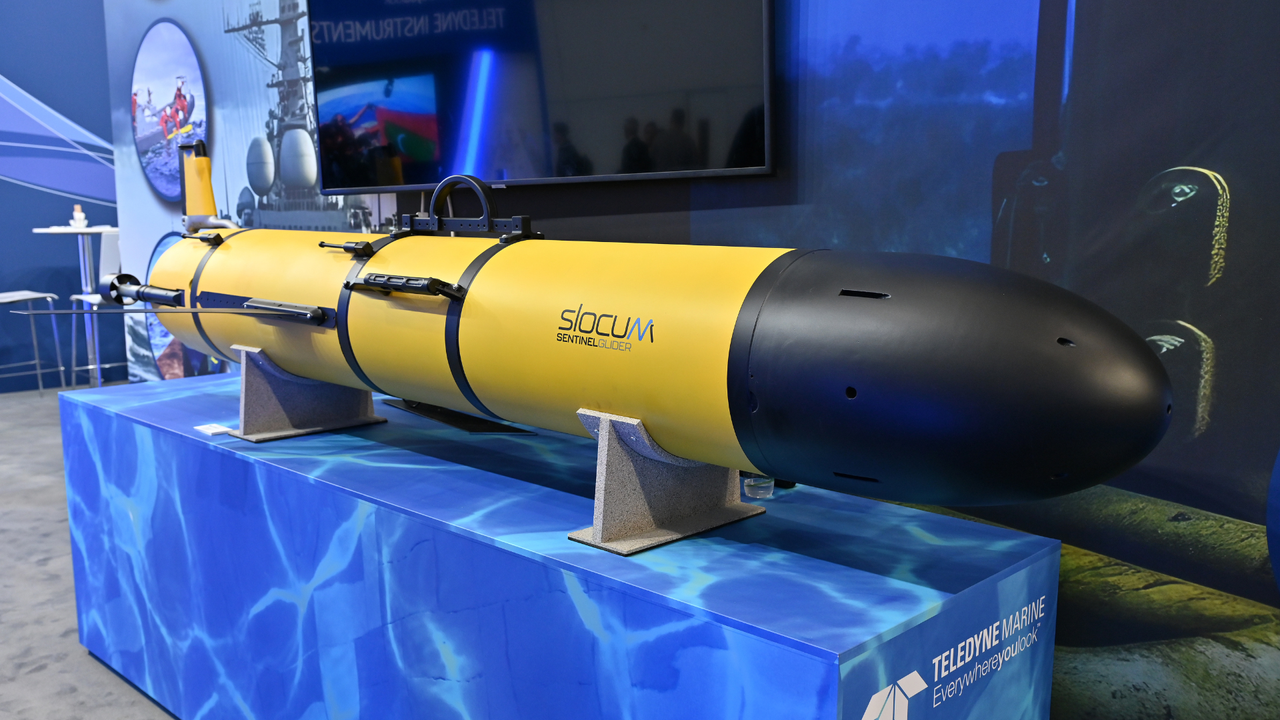
Finnish companies and academic institutions, alongside the Finnish Navy and Border Guards, worked together to develop a system that used existing undersea cables to detect potential disturbances on the seabed. This system would allow the authorities to respond to any detected anomaly, potentially preventing critical undersea infrastructure from getting damaged.
Two Seattle city council committees have passed a one-year moratorium and a resolution on data centers. The measures are still up for a vote in the full council, but many consider that simply as a formality.
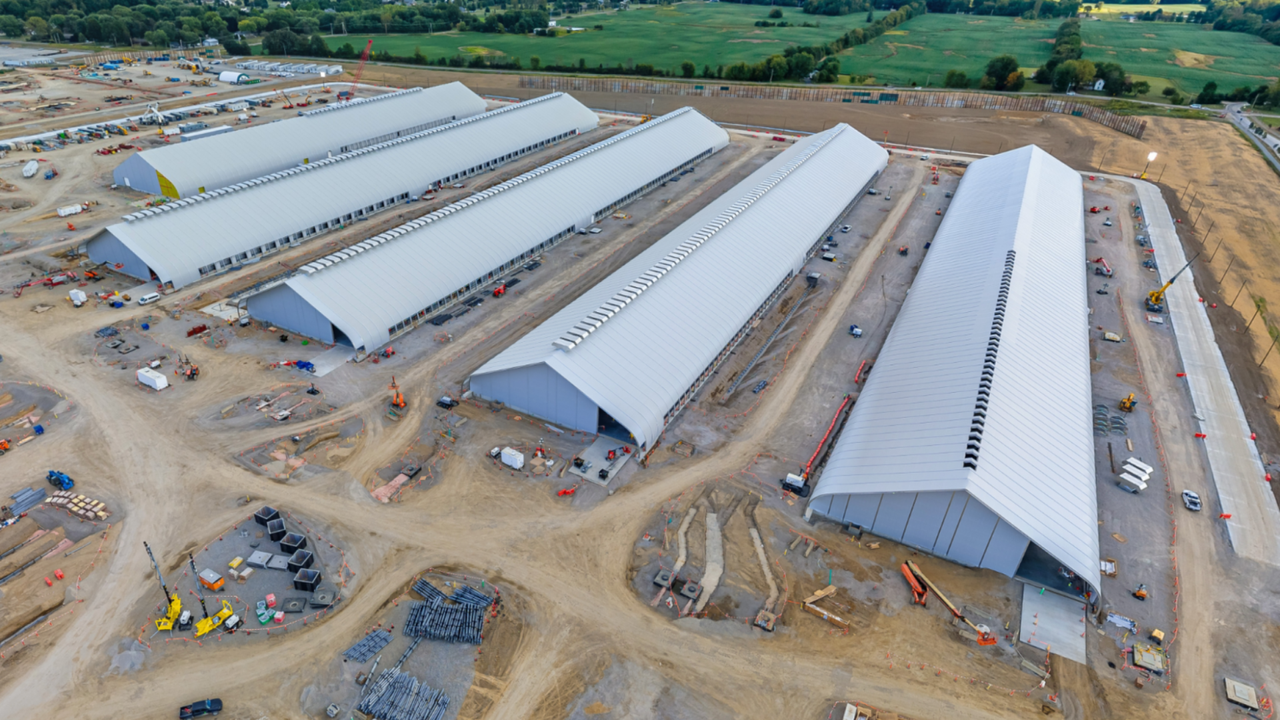
Meta is reportedly building more tents that house expensive data centers across the U.S., as it reportedly cuts construction time from two to three years to just a few months. It's also bringing its own power instead of relying on electricity from the grid.
Shelbyville mayor Scott Ferguson (R) made these remarks likelly without knowing that he was being recorded, and it has ignited a political firestorm in the small town.
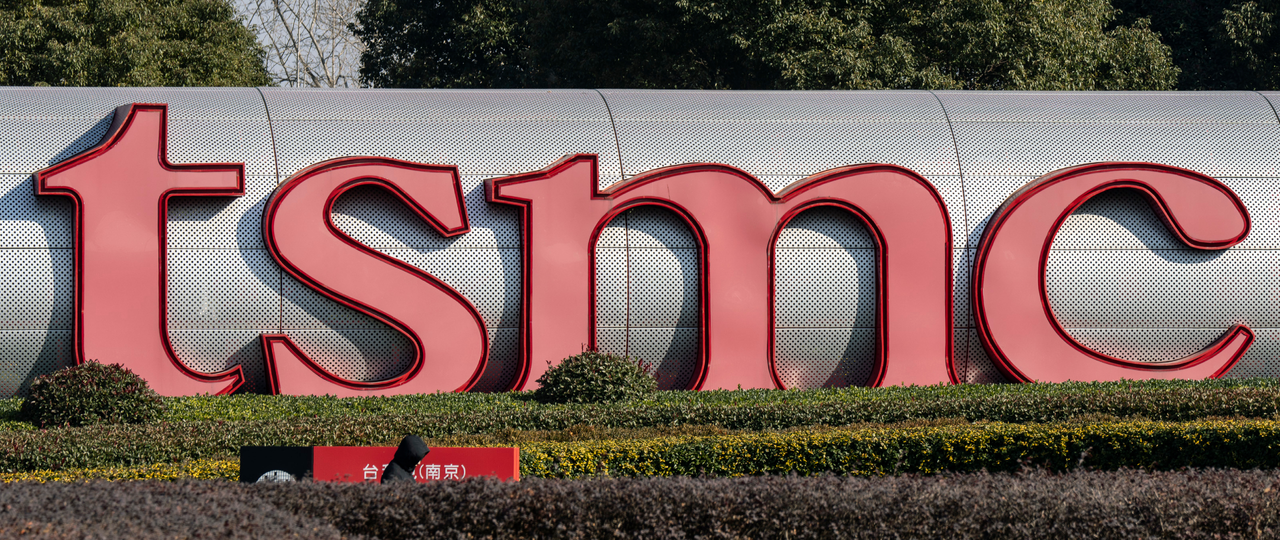
TSMC says it does not have enough capacity to handle all the demand from AI hyperscalers, with CEO C.C. Wei saying that it will take a long time before it can match customer demand. This is an opportunity for Intel, though, as companies desperate to get their hands on advanced chips might be willing to use Intel 18A or 14A nodes for their needs instead.
OpenAI's clients are complaining about out-of-control AI spending, and they're asking Sam Altman to make it more efficient so they don't blow their annual AI budgets in just one quarter.
Higher memory costs and lower sales is hitting GoPro hard. The company isn't filing for bankruptcy yet, but it might end up doing that if it does not resolve the issue sooner.
The U.S. Senator is arguing that since AI companies use public data to generate a lot of revenue, the public should benefit from it as well. He also said that the people should have a say in the direction of AI by giving them a 50% direct stake in the biggest companies that develop this technology.
The Australian, UK, and U.S. governments just announced a cooperation to develop new technologies to protect underwater cables. The move comes after recent incidents of damages to undersea cables across the world, as well as the Russian Navy's surveying of areas near where undersea cables run.
A business-intelligence researcher said that the Chinese military has been actively acquiring Nvidia AI chips, even after the U.S. put export controls on them. Public documents show that some institutions ask for these chips either through the specifications they demand or by directly asking for Nvidia chips by name.

 Anmelden