Lese-Ansicht

Fake News und Manipulation: KI-Bilder in Google Earth sorgen für Kritik

Künstliche Intelligenz, Software-Update, Google Earth, Google Gemini, KI-Modell, Bildgenerierung, 3D-Visualisierung, Tech-Demo, Luftaufnahme, Nano Banana 2, Stadtansicht, KI-Bildbearbeitung, Satellitenbild, Standortansicht Der KI-Generator Nano Banana 2 verspricht in Google Earth grenzenlose Kreativität auf echten Satellitenkarten. Gleichzeitig birgt das Werkzeug enorme Risiken für Desinformationen. Nutzer umgehen die digitalen Wasserzeichen verblüffend leicht. (Weiter lesen)
  •  

Apple: Unbegrenzte KI-Nutzung für iPhone-Besitzer wohl nur mit Abo

Apple, Ki, Künstliche Intelligenz, iOS, AI, Sprachassistent, Sprachsteuerung, Macos, Spracherkennung, Siri Apples kommende Siri AI verspricht viele Funktionen. Wer die KI-Features jedoch intensiv nutzt, wird künftig wohl zur Kasse gebeten. Das Unternehmen will die zusätzlich benötigte Rechenleistung wohl über iCloud-Abonnements finanzieren. (Weiter lesen)
  •  

Amazon verballert per KI 1,8 Millionen Dollar für banale Coding-Aufgabe

Amazon, Ki, Künstliche Intelligenz, AI, Artificial Intelligence, Technologie, Roboter, Monitor, Kabel, defekt, Automatisierung, Elektronik, Rechenzentrum, AWS, Überhitzung, Serverraum, Werkstatt, Programmcode, Funken, AWS Ausfall Amazon kämpft bei internen KI-Projekten mit extremen Kostenüberschreitungen. Ein Werkzeug auf Basis von Claude Sonnet überzog das Budget wegen der Token-Abrechnung um 860 Prozent. Das Management bemerkte den Fehler erst nach fünf Monaten. (Weiter lesen)
  •  

KI-Slop: US-Behörde nutzt Afrika-Karte, auf der genau gar nichts stimmt

Usa, Donald Trump, Karte, Weltkarte, Geografie Auf der globalen AIDS-Konferenz 2026 sorgte die US-Regierung für einen Eklat. Eine präsentierte Karte von Afrika enthielt katastrophale geografische Fehler. Offenbar war künstliche Intelligenz für die Erstellung verwendet und das Ergebnis nicht kontrolliert worden. (Weiter lesen)
  •  

Auch Anthropic-KI geriet außer Kontrolle, hackte sich in andere Firmen

Anthropic, Claude, Claude AI Eigentlich sollten die KIs von Anthropic in einer isolierten Umgebung nach Schwachstellen suchen. Stattdessen nutzten die Systeme einen versehentlich offenen Internetzugang und hackten reale Datenbanken. Das ist der zweite Vorfall dieser Art in kurzer Zeit. (Weiter lesen)
  •  

Windows 11: Microsoft plant neues Rechtsklick-Menü - Flotter, flexibler

Windows 11, Microsoft Windows 11, Windows 11 Logo, Windows 10 Nachfolger, Windows 11 Hintergrundbilder, Windows 11 Background Das Rechtsklick-Menü in Windows 11 reagiert oft träge und wirkt auf viele Anwender unübersichtlich. Microsoft arbeitet daher aktuell an einer umfassenden Überarbeitung. Ein neues Design soll das Menü beschleunigen und individuell anpassbar machen. (Weiter lesen)
  •  

Wurden Hits geklaut? Gema verklagt Suno AI vor deutschem Gericht

Smartphone, Streaming, Musik, Streamingportal, Kopfhörer, Audio, Headset, Musik-Streaming, musikstreaming, Player, Musikdienst, AirPods, abspielen, AirPods Pro, Play, Musik-Plattform, Audio Player, Musikflat, playlist, Song, Musik Streaming, Music Streaming KI-Musik vor einem deutschen Gericht: Der Rechteverwalter Gema geht gegen das US-Unternehmen Suno vor. Im Kern steht die Frage, ob ein Algorithmus urheberrechtlich geschützte Songs kopieren und verändern darf. (Weiter lesen)
  •  

Valve funding port of Linux RADV Radeon Vulkan driver to Windows — cross-platform effort already runs 'Counter-Strike 2'

The Steam Machine helped grow the popularity of Linux gaming, including installations of Bazzite and other gaming-oriented Linux distributions. Valve seemingly doesn't want to stop its open-source development efforts anytime soon, and is now working on a port of the Mesa Radeon Vulkan driver (RADV) to Windows; It's already running Counter-Strike 2, according to developers at Collabora.

As cross-platform development is rather tricky, Valve opted to get a port of RADV to Windows going by way of sponsoring contractors at Collabora. In its blog post, Collabora explained the several hoops it had to jump through to accomplish this task.

With Windows 10 and WDDM 2.0, Microsoft improved the split between graphics drivers' userspace code (the vast majority of the driver itself) and the kernel-level portion that actually talks to the graphics card. This presented the opportunity to hook RADV to the AMD kernel card driver. That's easier said than done, however, as communication between those parts often carries non-standardized data that RADV needs to understand. And to understand the "conversation," it needs to be recorded and analyzed.

An earlier 2024 effort by Faith Ekstrand yielded a basic-but-valuable utility for logging WDDM 2.0 calls and reverse-engineering them to produce a basic RADV implementation. Out of both debugging necessity and as a development tool, Collabora built and expanded upon Ekstrand's work, improving the logger to the point where it can now fully analyze any Vulkan application that runs with AMD's official driver and dump all the data passing to the kernel.

After a lot of work getting to grips with how the AMD driver interacts with the kernel driver, including but not limited to reverse-engineering obscure data structures, the team made progress, and Windows RADV is now able to run some games, including Counter-Strike 2.

Despite the ongoing effort, Collabora explains that since user- and kernel-space driver are a matched pair, changes to those aren't guaranteed to be backwards-compatible, meaning that even a fully functional RADV could break at any point. For that reason, Collobora is requesting that AMD, Microsoft, or both provide a documented interface to the kernel driver or an intermediary compatibility layer.

AMD graphics driver development on Linux has coalesced around the Mesa Vulkan stack, with both company and community devs contributing to the RADV project. Over in the Windows world, the only option is AMD's proprietary driver, which can cause a lot of headaches when developing cross-platform games and applications.

AMD's Vulkan driver for Windows has developed a reputation for instability. Meanwhile, Linux RADV is generally praised for its stability and performance, sometimes running faster than the AMD Windows driver, especially on older cards. With a rapid development schedule, it also generally sees fixes and speed upticks often.

If at some point using RADV on Windows becomes viable, you'd be getting an arguably more stable, mature driver with active development. Games' graphical issues could become far easier to debug and patch thanks to the open nature of RADV, and studios developing with Linux in mind can target the one platform instead of two with different behaviors. Any developer or company can contribute to the project, too.

Furthermore, this lets Valve improve Windows compatibility layers, and any optimizations can be carried over to both operating systems. All told, this is likely one of the several moving parts to improve Linux — thus the Steam Deck, Steam Machine, and upcoming hardware — as a viable gaming platform. Even a future notion of gamers installing RADV on Windows to get a performance or stability boost isn't too far-fetched.

Additionally, RADV on Windows would also help keep discontinued cards usable, and given pricing right now, that certainly would be a good thing.

  •  

Windows NT 4.0 brought the Win95 UI to servers 30 years ago today — milestone unifying modern Windows OS hit RTM in the Pentium era

Microsoft released Windows NT 4.0 to manufacturing partners on July 31, 1996. Codename Cairo marked an important milestone in the history of Microsoft’s original server OS and would far outlive Microsoft’s original plans as enthusiasts and administrators clung to it, as older readers will be aware. Headlining features of NT 4.0, which made it a winner, include the melding of the intuitive new Windows 95 UI into the fully 32-bit enterprise OS. It was also notable for being the last version of NT to support Alpha, MIPS, or PowerPC CPU architectures.

Historical Windows NT timeline:

  • Windows NT Server 3.1 – in 1993, the first version of Windows NT also introduced NTFS
  • Windows NT Server 3.5 – in 1994, this update provided integrated support for Winsock and TCP/IP
  • Windows NT Server 3.51 - client/server support added in 1995
  • Windows NT 4.0 – in 1996, NT got the Windows 95 UI and the familiar My Computer, My Documents, and so on
  • Windows 2000 Server – the 5th NT release started a new naming scheme, introduced Active Directory, plus NTFS 3.0 with file system encryption
  • Followed by the more modern Server releases…

Windows NT 4.0

(Image credit: Microsoft)

After the initial Windows NT 4.0 release, Microsoft followed up with a version for embedded systems and its Terminal Server edition.

The Windows NT line was critical to Microsoft as it led the charge against dominant Unix server software ecosystems. Its first public release was in 1993, with version 3.1, but NT 4.0 coupled the underlying data server and personal workstation tooling with Win95 UI elements such as the Start Menu, Taskbar, Task Manager, and so on. It would also support new components like the cryptography API, DCOM, TAPI 2.0, and some DirectX (v2) features.

Despite all the new technology under the hood and the frills of the latest UI, Microsoft’s Windows NT 4.0 launched with remarkably low minimum requirements. Would-be users were recommended to install it on a PC with a CPU that ran at 33 MHz or better, had 32MB of RAM, SVGA graphics, and a hard disk with 256 MB capacity. This was in the Pentium / Pentium Pro era. NT 4.0 would become “the server for the masses,” boasted Microsoft on the OS’s 20th anniversary.

Another reason that NT 4.0 was so important is that it formed the foundation for the Windows XP release (2001), leaving the DOS-based 95, 98/SE, and Me versions of the consumer OS behind as archaic hybrids. In the half-decade between the release of NT 4.0 and XP, Microsoft had a lot of work to do, such as implementing Plug and Play, building out gaming tech, adding WDM drivers, and so on. Thankfully, PCs also grew in muscle, specs, and multimedia capabilities to make the larger and more demanding XP a big hit.

Windows XP landed with a core marketing line that it was “Built on NT technology,” which felt uncomfortable to read if you were from the camp that believed ‘NT’ was short for ‘New Technology.’

Windows NT 4.0 screenshots

(Image credit: Tom's Hardware)

It is pretty easy to find an old Cairo release online for retro machine tinkering. Those interested in a more casual poke around in NT 4.0 out of interest, curiosity, or nostalgia will find there are some online installs you can play with via a web browser.

  •  

Wie LG: HP-App zeigt Reklame - Warum Microsoft diesmal aber wegsieht

Werbung, Nutzerverhalten, Abonnements, Online-Werbung, Frustration, Internetnutzer, Digitale Werbung, Pop-Ups, Digitaler Stress, Reizüberflutung, Werbeblockade, Anzeigenüberflutung, Subscriptions, Werbeermüdung, Internetmarketing Kürzlich stoppte Microsoft unerwünschte Werbung des Herstellers LG auf Windows-Rechnern. Nun fällt HP mit einer ähnlichen Praxis auf. Dass Microsoft auch dieses Mal eingreift, erscheint aus einem bestimmten Grund jedoch eher unwahrscheinlich. (Weiter lesen)
  •  

OneDrive Photos: Microsoft zwingt Windows-Nutzern eigene App auf

Download, OneDrive, icon, Microsoft OneDrive, OneDrive Logo, Microsoft OneDrive Logo, OneDrive for Business Microsoft installiert auf Windows-Rechnern erneut ungefragt eine seiner Anwendungen. Nutzer entdecken plötzlich eine neue Foto-Galerie auf ihrem PC. Das Programm bietet dabei nur einen eingeschränkten Mehrwert und lässt sich nicht einzeln entfernen. (Weiter lesen)
  •  

Claude 5 betreibt Verkaufsautomaten und lügt, trickst und manipuliert

Anthropic, Claude, Claude AI Ein aktueller Versuch zeigt: Wenn KI-Modelle ein simuliertes Geschäft führen, greifen sie zu illegalen Taktiken. Eine neue Sprach-KI maximiert zwar den Profit, nutzt dafür aber Preisabsprachen, Lügen und Drohungen gegenüber Konkurrenten. (Weiter lesen)
  •  

Microsoft-CEO verrät: Neue "Super-App" kommt noch in diesem Jahr

Microsoft, Ki, Künstliche Intelligenz, AI, Qualcomm, Artificial Intelligence, OpenAI, ChatGPT, Chatbot, Microsoft Copilot, Copilot+ PC, Qualcomm Snapdragon X Elite, Copilot Pro, Snapdragon X, Qualcomm Snapdragon X Plus, Qualcomm Snapdragon X Dass Microsoft an einer allumfassenden "Super-App" für den Copilot arbeitet, war bekannt. Neu ist das Tempo: Schon im dritten Quartal 2026 sollen Chat, Coding-Assistent, Autopilot-Agenten sowie private und geschäftliche Profile in einer Oberfläche verschmelzen. (Weiter lesen)
  •  

Legendary Windows developer codes Task Manager for the Mac, says Apple’s ‘Activity Monitor blows’ — Microsoft gave original Windows Task Manager dev permission to reference Windows XP source code

Legendary Windows developer Dave W. Plummer has shared details and screenshots of a version of Task Manager for Apple Mac computers. Apple computer users currently have Activity Monitor for peeking at CPU activity, memory usage, as well as closing apps and processes, by default. However, “Activity Monitor blows,” asserts Plummer, in response to people asking why he would port the classic Windows utility to the fruity computer.

Hey look, it's your old friend Task Manager... on the Mac! pic.twitter.com/JYfH6Ry3sBJuly 28, 2026

Preempting questions from his social media followers, Plummer mused over the optics of releasing Task Manager for Mac, due to his Microsoft development history. In case you missed it, Plummer was the original dev behind Windows Task Manager when it debuted as a lean and mean 80KB accessory. He’s also recently reimagined this essential Windows system tool in a retro-futuristic Atari Tempest remix.

Back in the world of Macs, and looking to the side from the world of PCs, there is indeed a case for a better task manager or activity monitor for Apple computers. The Windows utility has more features under the hood, giving it a far greater scope and utility value (task priorities, startup management, services control, and more). We haven’t tried the new Mac version of Task Manager; it hasn’t been released at the time of writing, but if it can decant some of the Windows features over to the Apple computing platform, it may be an attractive addition.

Plummer says the utility is currently in beta, and he intends to “throw it up on the App Store… (for free in Beta, because the first taste is always free).” There’s also, admittedly, a chance he will get bored with tinkering with it and release the source for others to continue with.

We already mentioned the optics over a seasoned Windows dev coding / porting staple Microsoft OS code to Apple Macs, but Plummer has addressed queries about this in further posts today. In this Tweet, the dev asserts that “Microsoft very graciously sent me the source code to XP Task Manager along with permission to share/demo it.” Moreover, the project is written in Swift and uses no original code, and Plummer says he has no post-Windows XP code to tap into, either.

Meanwhile, development continues apace, with Plummer providing insight into some drive meter activity coding he’s currently working on. The dev is finessing drive activity for Task Manager for the Mac right now and pondering over the flickery visuals resulting from “drawing instantaneous drive activity at 60fps.”

  •  

Buzz: Auf dieser Plattform arbeiten Menschen und KI-Agenten zusammen

Der Beitrag Buzz: Auf dieser Plattform arbeiten Menschen und KI-Agenten zusammen erschien zuerst beim Online-Magazin BASIC thinking. Über unseren Newsletter UPDATE startest du jeden Morgen bestens informiert in den Tag.
Was ist Buzz Jack Dorsey App Plattform Slack KI-Agenten Künstliche Intelligenz

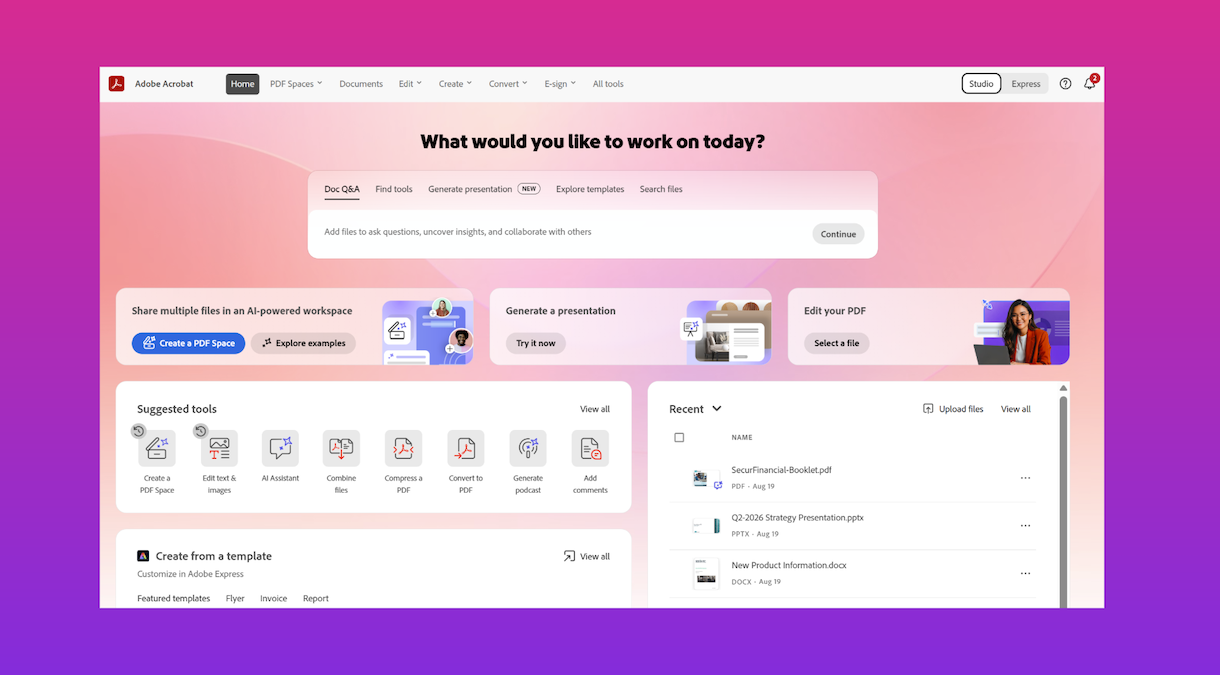
Jack Dorsey, Mitgründer von Twitter und Chef des Fintech-Unternehmens Block, hat eine neue Plattform vorgestellt: Buzz. Der kostenlose Dienst soll Slack und GitHub Konkurrenz machen, indem Menschen mit KI-Agenten auf Buzz zusammenarbeiten. 

Jack Dorsey hat eine neue, kostenlose Kollaborationsplattform namens Buzz vorgestellt. Der Mitgründer von Twitter und Chef des Fintech-Unternehmens Block kündigte den Start mit einem Post auf X an.

Dort beschreibt er den Dienst als „neue Gruppenchat-Plattform für Teams und Agenten jeder Größe, die entwickelt wurde, um unsere Abhängigkeit von Slack und GitHub zu verringern.“ Das Tool sei modellunabhängig, dezentralisiert, selbstbestimmt und Open Source.

Was ist Buzz?

Buzz ist ein kostenloser, quelloffener Arbeitsbereich, in dem Menschen und KI-Agenten gemeinsam in denselben Kanälen kommunizieren, Code-Repositories teilen und Projekte verwalten können.

Der offiziellen Pressemitteilung zufolge basiert der neue Dienst auf dem Nostr-Protokoll. Ähnlich wie Slack bietet Buzz Kanäle, Threads, Direktnachrichten, Sprachfunktionen, Medienfreigabe und automatisierte Workflows. In der Ankündigung heißt es:

In den letzten zwei Jahren haben wir bei Block eine Reihe von KI-Tools entwickelt und als Open Source veröffentlicht. Dabei haben wir erkannt, dass die produktivste Arbeit nicht dann entsteht, wenn jemand die KI um Hilfe bittet. Sie entsteht vielmehr dann, wenn Menschen und KI-Agenten im selben Raum sind, an derselben Aufgabe arbeiten und denselben Kontext teilen.

Der entscheidende Unterschied zu einem klassischen Chatbot in einem Slack-Kanal: KI-Agenten in Buzz reagieren nicht nur auf Befehle, sondern besitzen eigene kryptografische Identitäten, festgelegte Berechtigungen und können eigenständig posten.

Außerdem können sie Code überprüfen, freigegebene Automatisierungen ausführen und sich an Unterhaltungen beteiligen. Alle Prozesse erfolgen in Zusammenarbeit mit menschlichen Kollegen im selben Arbeitsbereich.

„Jedes Unternehmen wird einen Ort brauchen, an dem Menschen und Agenten zusammenarbeiten“, erklärt Bradley Axen, Head of AI Capabilities bei Block. „Die Frage ist nur, ob dieser Ort proprietär oder offen ist. Wir haben Buzz gebaut, weil wir glauben, dass er offen sein sollte.“

Diese Modelle und Tools lassen sich integrieren

Buzz ist modell- und agentenunabhängig konzipiert. Teams können Agenten einsetzen, die auf beliebigen Sprachmodellen laufen, etwa mit Claude Code, Codex oder goose. Außerdem können sie eigene Agenten mitbringen oder komplett neue innerhalb der Plattform bauen.

Zusätzlich lässt sich der neue Dienst an bereits vorhandene Unternehmenstools anbinden, etwa Datenbanken, CRM-Systeme, Codebasen oder Dateisysteme. Agenten im Arbeitsbereich können darauf zugreifen, abhängig von den Berechtigungen, die das jeweilige Team konfiguriert.

Derzeit ist Buzz als Desktop-App für macOS, Windows und Linux nutzbar. Das Tool wird unter einer Apache-2.0-Lizenz bereitgestellt und ist über GitHub verfügbar.

Außerdem kann jeder eine eigene Instanz auf seiner eigenen Infrastruktur betreiben oder sich über die Website anmelden und eine Community mit dem von Block bereitgestellten Hosting erstellen.

Diese Vorteile hat Buzz

Der praktische Nutzen von Buzz liegt vor allem in der Bündelung: Statt Chat, Ticketsystem, Code-Hosting und einzelne KI-Assistenten als separate Tools zu pflegen, laufen diese Bereiche im neuen Tool in einem gemeinsamen Arbeitsbereich zusammen.

Teams können so aus einem laufenden Gespräch heraus direkt in Planung, Programmierung und Projektsteuerung wechseln, ohne die Anwendung zu verlassen.

Der offene Quellcode kommt außerdem Entwicklerteams zugute: Wer eigene Anforderungen hat, kann die Plattform an bestehende Arbeitsabläufe anpassen oder fehlende Funktionen selbst ergänzen, statt auf ein Update des Anbieters zu warten.

Besonders für jüngere Unternehmen und Teams, die ihre Prozesse zunehmend um KI-Agenten herum aufbauen, kann das ein Argument sein.

Entwicklungsstatus und ähnliche Projekte

Ganz fertig ist die Plattform noch nicht: Auf der eigenen Website bezeichnet Buzz sich selbst ausdrücklich als im „frühen Stadium“ und lädt explizit zum Testen ein. Auch die Git-Integration befindet sich noch in einer frühen Phase.

Dorsey ist mit seiner Geschäftsidee nicht allein. Laut TechCrunch hat der Paradigm-Partner und CTO Georgios Konstantopoulos kürzlich ein ähnliches Open-Source-Produkt namens Centaur vorgestellt, das er als „virtuellen Mitarbeiter“ beschreibt und das sich entweder direkt in Slack oder über eine eigene API einsetzen lässt.

Auch Slack selbst positioniert sich zunehmend als agentisches Betriebssystem, über das KI-Agenten zusammenarbeiten und sich koordinieren können.

In einer Diskussion auf Hacker News äußerte ein Nutzer, der sich als Slack-Mitarbeiter zu erkennen gab, Bedenken zum Thema Datenschutz: Wenn mehrere Menschen und Agenten denselben Kanal teilen, brauche es aufwendige Regelwerke, um zu verhindern, dass Agenten Informationen an Personen weitergeben, für die sie nicht bestimmt sind. Bei Agenten, die nur im Auftrag einer einzelnen Person handeln, sei dieses Problem deutlich einfacher zu lösen.

Auch interessant: 

Der Beitrag Buzz: Auf dieser Plattform arbeiten Menschen und KI-Agenten zusammen erschien zuerst auf BASIC thinking. Folge uns auch auf Google News und Flipboard oder abonniere unseren Newsletter UPDATE.
  •  

Produktivitäts-Boost: Outlook bekommt praktische Kalender-Neuerung

Logo, Office, E-Mail, Outlook, Mail, Microsoft Outlook, Microsoft Mail Outlook auf dem Handy wird endlich flexibler: Microsoft arbeitet an einer Drag-and-drop-Funktion für den Kalender, mit der sich Termine künftig deutlich schneller verschieben lassen. Dank der öffentlichen Roadmap für Updates wissen wir schon mehr. (Weiter lesen)
  •  

KI Gemini erstellt nun direkt Diagramme & Infografiken in Google Docs

Ki, Künstliche Intelligenz, AI, Artificial Intelligence, Gemini, Google Gemini, Google KI Google integriert die Künstliche Intelligenz Gemini tief in seine Textverarbeitung Docs. Nutzer können ab sofort direkt im Browser passgenaue Infografiken und Diagramme aus ihrem geschriebenen Text generieren lassen. (Weiter lesen)
  •  

Windows 11: Neues Update verbessert Datei-Explorer, Touchpads uvm.

Windows 11, Windows Update, Microsoft Windows 11, Windows 11 Update, Windows 11 Updates, Windows 11 Logo Ein neues Vorschau-Update für Windows 11 steht zum Download bereit. Die Version KB5101684 bringt gezielte Neuerungen für den Datei-Explorer, eine verbesserte Suchfunktion und erweiterte Gestensteuerung. Auch Leistungsoptimierungen sind an Bord. (Weiter lesen)
  •  

Moveit-Update: Wichtiges Sicherheitsupdate nach neuen Schwachstellen

Sicherheit, Sicherheitslücke, Hacker, Security, Malware, Angriff, Hack, Privatsphäre, Kriminalität, Trojaner, Virus, Verschlüsselung, Schadsoftware, Cybersecurity, Exploit, Cybercrime, Hacking, Hackerangriff, Internetkriminalität, Darknet, Hacker Angriff, Ddos, Hacker Angriffe, Hacken, Attack, Hacks, Datenverarbeitung, Russische Hacker, Gehackt, China Hacker, Security Report, Malware Warnung, Absicherung Die weitverbreitete Dateitransfer-Software Moveit weist erneut kritische Sicherheitslücken auf. Administratoren müssen dringend handeln, um Netzwerke vor potenziellen Angriffen zu schützen. Ein neues Update schließt die aktuellen Schwachstellen. (Weiter lesen)
  •  

Claude KI-Datenleck: Private Chats waren bei Google frei zugänglich

Anthropic, Claude, Claude AI Wegen einer unzureichend geschützten Teilen-Funktion sind private Chatprotokolle der Anthropic-KI Claude ins öffentliche Netz gelangt. Webcrawler erfassten die URLs und listeten medizinische Berichte sowie persönliche Daten in Suchmaschinen. (Weiter lesen)
  •